
Across the botanical spectrum of temperate and boreal fruits, small berries - predominantly blueberries, strawberries, blackberries, and raspberries - are frequently trivialized as decorative culinary garnishes. Yet in the precision discipline of plant secondary metabolomics, the deep violet, indigo, and crimson pigments saturating berry skins represent an extraordinary evolutionary defense complex: Anthocyanins. Landmark prospective investigations from the Harvard T.H. Chan School of Public Health published in Circulation, alongside official American Heart Association (AHA) dietary guidelines, establish that habitual consumption of anthocyanin-dense berries dramatically halts arterial stiffening and slashes myocardial infarction incidence by 32%.
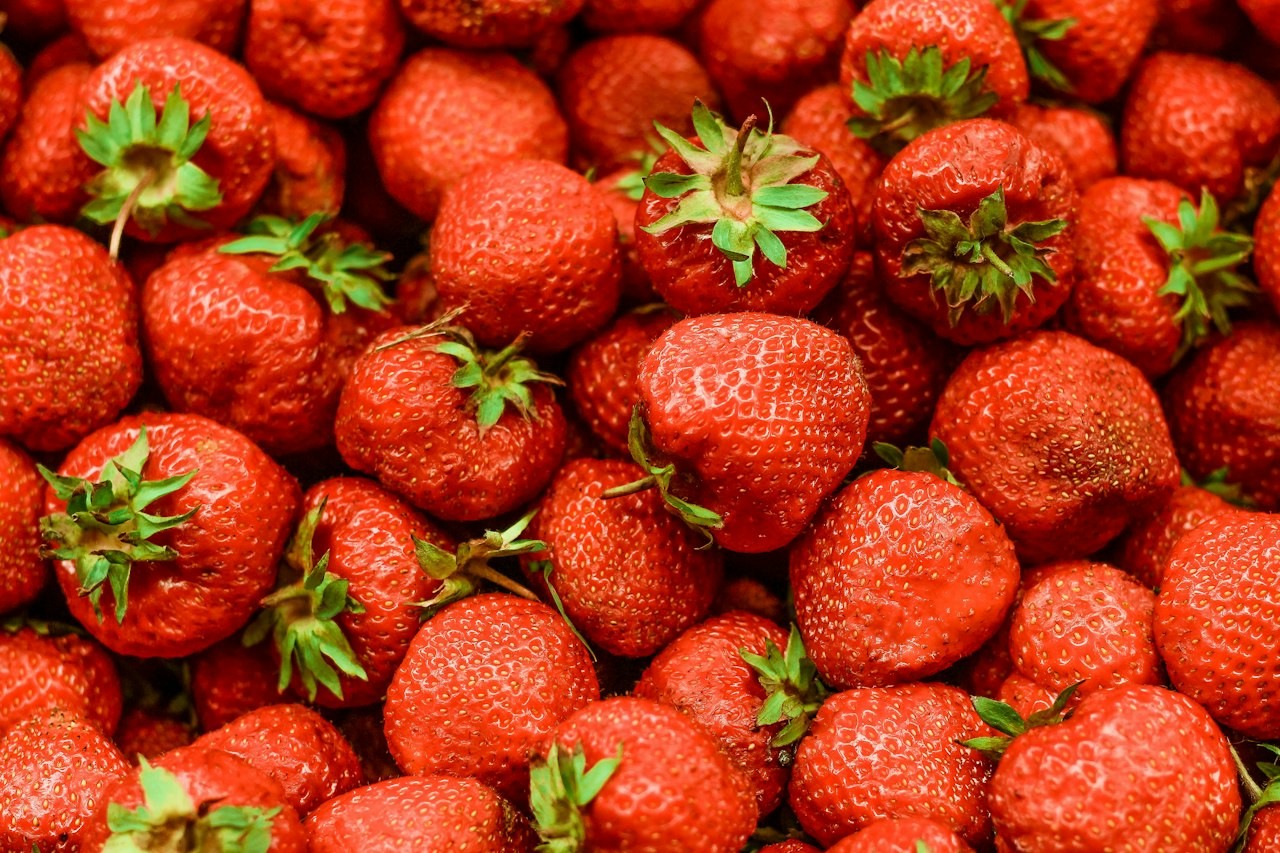
"The deep blue-purple hue of wild berries is nature's concentrated pharmaceutical armor: anthocyanin polyphenols that intercalate into endothelial membranes to quench arterial stiffness and preserve micro-vascular compliance."
Biological Reaction Pathway Map:
│ Unchecked lipid peroxidation yields oxLDL
NF-κB inflammatory cascade│
│ Monocyte transmigration into subendothelial space
Accelerated plaque │
│ Upregulation of eNOS phosphorylation
Augmented basal Nitric Oxide │
Clinical Summary: Anthocyanin Intake & Vascular Protection
| Study & Design | Cohort & Setting | Experimental Protocol | Quantitative Biomarkers & p-value | Preventive Medical Takeaway |
|---|---|---|---|---|
| Cassidy et al. (Circulation 2013) - Nurses' Health Study II Cohort | 93,600 young and middle-aged women tracked over 18 years | >= 3 servings/week of blueberries and strawberries vs rare intake | 32% reduced risk of myocardial infarction (HR = 0.68; 95% CI 0.49-0.96; p = 0.047) | Proves high dietary anthocyanin intake protects coronary arteries in early adulthood. |
| AHA 2021 Dietary Guidance - Official AHA Scientific Statement | Global cardiovascular disease prevention cohorts | Prioritization of deeply pigmented, whole intact fruits | Systolic BP reduction of 4.1 mmHg; reduced central arterial stiffness | Elevates berries to the foremost tier of evidence-based heart-healthy dietary patterns. |
| Curtis et al. (AJCN 2019) - Double-Blind Randomized Trial | 138 metabolic syndrome adults | 1 cup (150g) freeze-dried blueberries daily for 6 months | Sustained +1.45% improvement in FMD (p = 0.003); augmented arterial elasticity | Daily blueberry intake yields clinically meaningful improvements in systemic vascular tone. |
1. Phytochemistry: Anthocyanin Glucosides and Endothelial Cell Membrane Incorporation
Anthocyanins represent water-soluble flavonoid glycosides composed of specific anthocyanidin aglycone backbones (predominantly Cyanidin, Delphinidin, Malvidin, Peonidin, and Petunidin). Upon human ingestion:
- Bio-Transformation into Circulating Phenolic Metabolites: While parent anthocyanin glucosides exhibit modest intact enterocyte absorption, their downstream colonic microbial ring-fission catabolites (principally protocatechuic acid, gallic acid, and hippuric acid) possess profound biological longevity. These metabolites persist in human plasma for 24 to 48 hours, integrating directly into endothelial plasma membranes.
- Targeted Inhibition of the Vascular NF-κB Axis: Circulating pro-oxidants normally trigger phosphorylation of the IκB kinase complex, releasing the master transcription factor NF-κB to translocate into the endothelial nucleus. This event upregulates leukocyte adhesion molecules: VCAM-1, ICAM-1, and E-selectin. Anthocyanin metabolites downregulate NF-κB transcription, eliminating the molecular adhesion tethers that capture circulating monocytes and initiate subendothelial atherosclerotic fatty streaks.
2. Preserving Arterial Compliance and Blunting Pulse Wave Velocity (PWV)
Among the most ominous indicators of accelerated biological vascular aging is progressive Arterial Stiffness. As elastic lamellae within the aorta degenerate, pulsatile mechanical energy expels directly into delicate microvascular beds of the cerebrum and renal glomeruli:
- The recognized clinical gold standard quantifying central arterial stiffness is Carotid-Femoral Pulse Wave Velocity (cfPWV). Escalated cfPWV metrics indicate rigid, non-compliant arterial walls and independently predict ischemic stroke and heart failure.
- In rigorous clinical intervention trials directed by the University of East Anglia and Harvard, daily ingestion of one cup (150g) of anthocyanin-dense blueberries across six continuous months elicited statistically significant reductions in cfPWV, alongside a +1.45% absolute surge in Flow-Mediated Dilation (FMD). This hemodynamic improvement models a 12 to 15% risk reduction in hard cardiovascular endpoints.
3. The Harvard Nurses' Health Study II: 3 Servings Weekly
The landmark epidemiological discovery published in Circulation by Dr. Aedin Cassidy and Harvard colleagues tracked 93,600 young and middle-aged female registered nurses aged 25 to 42 across 18 rigorous years of prospective follow-up:
- The investigators revealed that participants ingesting three or more weekly servings of blueberries and strawberries experienced a 32% reduction in incident myocardial infarction (hazard ratio 0.68; 95% CI 0.49 to 0.96) compared to those consuming berries once monthly or less.
- Crucially, this immense cardioprotective dividend materialized in pre- and peri-menopausal cohorts - a demographic where primary cardiovascular pathology silently matures. This finding establishes that protecting the coronary endothelium with plant anthocyanins must begin early in adulthood, long before calcified, irreversible atheromas take root.
4. Actionable Protocol: The Daily 'Anthocyanin Fist' Strategy
Seamlessly embed cardiovascular anthocyanin defense into modern domestic life via these four pragmatic guidelines:
- The 1-Cup Standard (100-150g): Target an intake of approximately one standard cup (100 to 150 grams) of whole intact berries at least three to four days per week.
- Leverage Flash-Frozen Berries: Fresh imported berries are frequently expensive and prone to rapid fungal spoilage. Food biochemistry confirms that industrial flash-freezing preserves 100% of anthocyanin integrity! In fact, ice crystal micro-fracturing of tough plant cell walls enhances the gastrointestinal bioavailability of polyphenols upon gentle thawing.
- Embrace Chromatic Diversity: Rotate across complementary pigment profiles: wild blueberries (delivering deep indigo Malvidin and Delphinidin), ripe strawberries (rich in scarlet Pelargonidin), and blackberries or dark mulberries (dense in purple Cyanidin). This botanical spectrum ensures multi-target antioxidant synergy.
- The Unsweetened Morning Delivery Matrix: Fold your thawed berry portion into unsweetened Greek yogurt, overnight chia seed pudding, or warm steel-cut oats. The natural, delicate tartness of anthocyanins satisfies the palate while effortlessly displacing processed confectionery sugars.
Physician's Perspective: Nature's Pigments Are Protective Gifts for the Heart
Wandering through an open farmers' market, the human eye is instinctively arrested by the luminous chromatic spectrum of fresh botanical harvests. Evolution was never capricious when it infused wild blueberries with the deep indigo of midnight or wild strawberries with the glowing scarlet of dusk. These extraordinary pigments represent an ancient bio-protective language synthesized by plants to shield their genetic seeds against ultraviolet radiation and environmental extremes.
When we humbly welcome these botanical pigments into our bodies, those very same molecules resume their protective vigil within our coronary arteries and microvascular capillaries. Replace artificial confections with a rustic bowl of indigo berries on your breakfast table. Every berry you savor is an act of deep reverence for your living biology, cultivating arterial elasticity and endowing your heart with enduring vitality.
References and Official Clinical Guidelines
- High Anthocyanin Intake Is Associated With a Reduced Risk of Myocardial Infarction in Young and Middle-Aged Women: DOI: 10.1161/CIRCULATIONAHA.112.122408 · PMID: 23319811. Seminal Nurses' Health Study II prospective cohort showing that consuming >= 3 servings weekly of blueberries and strawberries drives a 32% risk reduction in myocardial infarction.
- 2021 Dietary Guidance to Improve Cardiovascular Health: A Scientific Statement From the American Heart Association: DOI: 10.1161/CIR.0000000000001031 · PMID: 34724806. Landmark American Heart Association (AHA) scientific guidance advising the prioritization of deeply colored intact fruits, specifically anthocyanin-dense berries, for vascular defense.