
Listen to Audio Dispatch Brief
The 60-second read
Evidence level:Human trials (RCT)Your gut requires a diverse array of plant fibers to manufacture protective postbiotics naturally, far outperforming synthetic probiotic supplements.
- Prebiotic plant fibers ferment into butyrate, strengthening the mucosal gut barrier.
- Whole fermented foods reduce 19 inflammatory markers more effectively than probiotic pills.
- Consuming 30 distinct plant foods weekly provides the ultimate substrate for microbial diversity.
One individual spends a fortune monthly on high-potency probiotic capsules yet still suffers from chronic bloating, while another maintains vibrant digestive health simply by consuming thirty distinct plant foods weekly. The crucial divide rests on how we treat our internal microbial ecosystem: passively seeding alien bacterial strains versus providing precise substrate for native microbes to manufacture vital postbiotics.
A landmark 2024 review in Nature Reviews Microbiology illuminates the profound molecular machinery connecting dietary patterns with gut microbial metabolism. This dispatch explores why dietary substrate diversity far outperforms synthetic probiotic pills, providing a science-backed protocol to transform your digestive tract into a self-sustaining postbiotic factory.
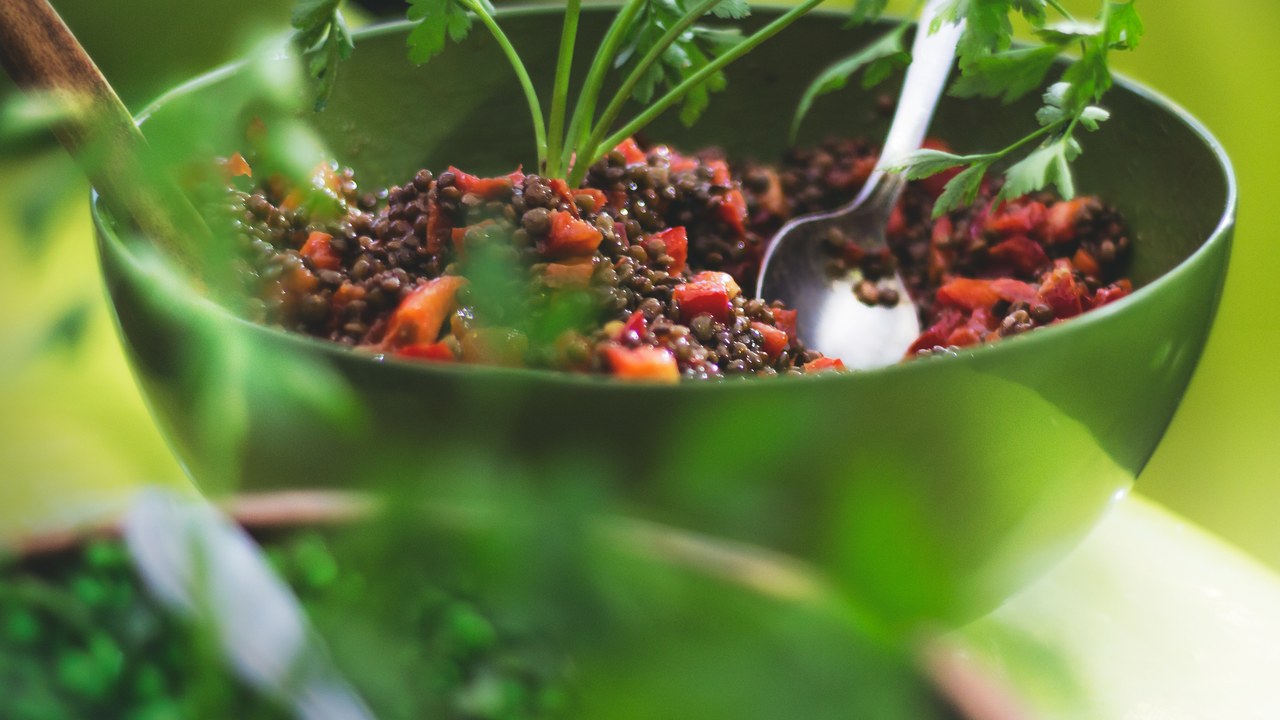
"Pouring daily probiotic capsules into a fiber-deprived gut is like sending thousands of skilled construction workers onto a barren site with zero bricks: they simply wander through and exit without building a single protective wall for your body."
Molecular Pathway Flowchart
Diverse Plant Dietary Fiber
Fermentation by Native Microbiota
Postbiotic Secretion (Butyrate, Propionate)
Mucosal Barrier Strengthening & Anti-inflammation
1. Molecular Mechanisms: Translating Prebiotic Fiber into Postbiotic Therapeutics
The human gut is far more than a passive digestive conduit. It functions as a complex endocrine and metabolic organ where trillions of resident microbes continuously transform dietary components into potent bioactive signaling molecules.
When we consume plant substrates rich in prebiotic fibers such as inulin, resistant starch, fructooligosaccharides (FOS), and pectin, specialized native taxa like Faecalibacterium prausnitzii and Roseburia species initiate anaerobic fermentation. This enzymatic breakdown produces short-chain fatty acids (SCFAs), notably acetate, propionate, and butyrate.
Among these postbiotic metabolites, butyrate serves as the primary energy substrate for colonic epithelial cells (colonocytes). It activates G-protein coupled receptors (GPR41 and GPR43) and inhibits Histone Deacetylase (HDAC) enzymes.
This HDAC inhibition upregulates the expression of tight junction proteins, including Claudin-1 and Occludin, effectively sealing intercellular spaces across the intestinal epithelium.
Consequently, mucosal hyperpermeability (leaky gut) is attenuated, preventing systemically damaging endotoxins like Lipopolysaccharide (LPS) from penetrating the circulation and driving low-grade chronic inflammation.
Conversely, relying solely on commercial probiotic capsules without supplying adequate prebiotic fiber creates a metabolic mismatch. Transient exogenous strains fail to engraft securely within the mucosal layer. Most are cleared within days without generating therapeutic postbiotic concentrations. Overusing high-dose single-strain supplements can even disturb native ecological competition, suppressing the indigenous microbial diversity uniquely established since early childhood.
2. Clinical Evidence: Whole Fermented Matrix versus Synthetic Probiotic Capsules
The 2024 Nature Reviews Microbiology synthesis demonstrates that plant-rich dietary diversity and traditional fermented foods exert far more durable metabolic effects than encapsulated probiotic strains. Traditionally fermented matrices like kimchi, sauerkraut, kefir, and miso supply not only live microorganisms but also a rich pre-formed postbiotic matrix containing lactic acid, bacteriocins, bioactive peptides, and B-complex vitamins.
Upon ingestion, these whole-food matrices deliver both functional microbes and their optimal nutrient substrate simultaneously. Randomized controlled trials indicate that individuals consuming 5 to 6 daily servings of fermented foods over 10 weeks exhibit significant reductions in 19 circulating inflammatory markers, including Interleukin-6 (IL-6) and TNF-alpha, alongside marked increases in overall gut microbiome diversity.
| Indicator / Intervention | Commercial Probiotic Capsules | Whole Fermented Foods | 30 Plant Foods Weekly Diversity | Practical Clinical Outcome |
|---|---|---|---|---|
| Strain Engraftment | Low and transient (2-5 days) | Moderate, enhances gut niche | High, sustains native populations | Long-term microbiome stability |
| Postbiotic Output (Butyrate) | Minimal without added fiber | Moderate pre-formed postbiotics | Maximum continuous endogenous production | Enhanced barrier integrity and systemic anti-inflammation |
| Inflammatory Reduction (IL-6) | Insignificant in healthy adults | 15 - 25% reduction over 8-10 weeks | 20 - 35% sustained suppression | Protection against metabolic and autoimmune disorders |
This biochemical synergy reinforces that gut health does not require synthetic high-dose bacterial floods. Instead, it thrives on a steady supply of complex plant substrates and fermented matrices.
3. Practical Takeaways & Safety Guidelines
To optimize your body's endogenous postbiotic factory without relying on expensive commercial pills, adopt these evidence-based nutritional principles:
First, target 30 unique plant foods per week. Diversify your intake across vegetables, berries, whole grains, legumes, nuts, seeds, and culinary herbs. Structural variation in dietary fiber activates distinct microbial guilds, ensuring a complete profile of beneficial SCFAs.
Second, integrate live fermented foods daily. Incorporate 1 to 2 small daily servings of unpasteurized kimchi, raw sauerkraut, unsweetened kefir, or organic miso. Avoid heating fermented products above 60 degrees Celsius, as high temperatures destroy beneficial live microbes and denature active enzymes.
Third, use commercial probiotic supplements judiciously. High-potency capsules are primarily indicated during or immediately following systemic oral antibiotic courses, or under clinical guidance for acute infectious diarrhea. Indiscriminate long-term supplementation can contribute to Small Intestinal Bacterial Overgrowth (SIBO), causing persistent abdominal distension and nutrient malabsorption.
Finally, exercise caution if you have diagnosed Irritable Bowel Syndrome (IBS) or active SIBO. Rapid increases in prebiotic fiber or fermented foods may provoke gas and bloating. Introduce these foods gradually over 3 to 4 weeks to allow native microbial adaptation.
Putting it into practice — safely
What you can do
- Consume at least 30 diverse plant foods weekly spanning vegetables, grains, legumes, nuts, and herbs.
- Include 1-2 daily servings of raw fermented foods (kimchi, kefir, unpasteurized miso) without high-heat cooking.
Be cautious if
- Patients with active SIBO or acute IBS flares should introduce high-fiber substrates incrementally.
Drug interactions
- Avoid heating raw fermented foods above 60 degrees Celsius to preserve live microbial strains and metabolic enzymes.
When to talk to a doctor
Consult a gastroenterologist if experiencing persistent severe bloating, unexplainable weight loss, or bloody stools.