
Listen to Audio Dispatch Brief
The 60-second read
Evidence level:Human observational dataEvery clove of garlic in your kitchen harbors one of nature's most sophisticated chemical defense mechanisms
- Molecular mechanisms of allicin and the apoptotic pathway
- Decoding clinical data and processing method comparison table
- Practical applications and optimization strategies in the kitchen
In our fast-paced modern lives, we often develop the habit of quickly mincing garlic and tossing it straight into a hot pan of oil. Few realize that this hasty action inadvertently destroys one of the most precious medicinal compounds bestowed by nature. Modern science has demonstrated that cooking garlic immediately inactivates the enzyme Alliinase, preventing potential anti-cancer compounds from ever forming. Understanding this molecular mechanism will completely transform how you utilize this familiar culinary staple to safeguard systemic health.
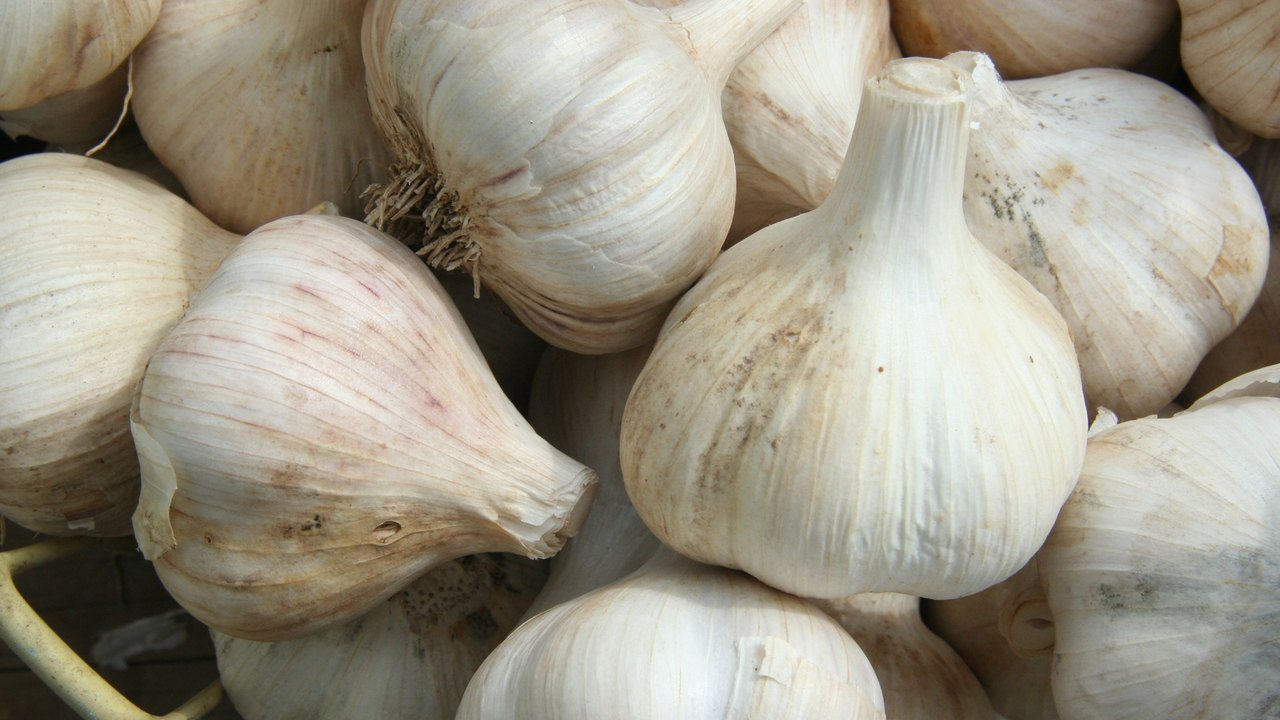
"Imagine a fresh clove of garlic as a fortified citadel guarded by two separate chambers. The first chamber houses a compound named Alliin, while the second holds a specialized weapon called Alliinase. When you keep the garlic clove intact, these compartments remain isolated and nothing happens. But the moment you crush it with a knife, the separating wall collapses, allowing the compound and the enzyme to meet instantly to synthesize Allicin, a mighty tactical vehicle that clears free radicals and commands abnormal cells to voluntarily step down."
Molecular Pathway Flowchart
Đập dập tỏi tươi
Enzyme Alliinase tiếp xúc Alliin
Tổng hợp Allicin trong 10 phút
Kích hoạt Apoptosis tế bào đột biến
Molecular mechanisms of allicin and the apoptotic pathway
When a fresh clove of garlic undergoes mechanical trauma through crushing or mincing, cell membranes rupture and release the precursor compound Alliin (S-allyl-L-cysteine sulfoxide). Instantly, the intrinsic enzyme Alliinase catalyzes the hydrolysis of Alliin to yield allylsulfenic acid. Two molecules of this acid spontaneously condense to form Allicin, a highly reactive sulfur compound. Allicin remains thermally unstable and degrades rapidly if exposed to intense heat prematurely.
At the cellular level, Allicin exerts a uniquely profound biological role by interacting directly with thiol groups (-SH) on target protein surfaces. For normal cells, physiological doses of Allicin stimulate endogenous defense systems via the Nrf2 pathway, upregulating intracellular Glutathione synthesis. Conversely, in mutated or precancerous cell lines, Allicin induces controlled oxidative stress directly at the mitochondrial membrane.
This alteration compromises mitochondrial membrane potential, broadly releases Cytochrome c into the cytoplasm, and activates Caspase 3 and Caspase 9 enzyme cascades. This biological process is formally recognized by medical science as programmed cell death or apoptosis. Through this mechanism, the body quietly eliminates cells bearing erroneous genetic codes before malignant tumors can form. This stands as clear evidence that whole foods harbor astonishing pharmacological wisdom.
Decoding clinical data and processing method comparison table
Many individuals often question why consuming raw garlic versus cooked garlic yields such vast biological differences. Pharmacokinetic studies indicate that the bioavailability of sulfur compounds from garlic depends entirely on the enzymatic reaction time prior to thermal exposure. If heat inactivates Alliinase immediately, consumers receive only fiber and trace essential oils incapable of triggering advanced cellular signaling.
The comparative table below highlights the distinct disparities in biological efficacy among common daily garlic preparation methods:
| Garlic preparation method | Alliinase enzyme activity | Allicin yield generated | Apoptosis activation potential | Optimal usage timing |
|---|---|---|---|---|
| Mincing and cooking instantly | Completely inactivated | Near zero | Very low or none | Not recommended for pharmacological goals |
| Crushing and resting 10 min then cooking | Maximized activation | Peak levels (approx. 2.5-4mg/g) | Robust and stable | Add at the end of cooking or consume raw |
| Swallowing intact cloves uncrushed | No contact | Negligible | Negligible | Lacks molecular biological impact |
The discrepancy in allicin yield among these methods explains why identical raw ingredients can produce entirely contrasting health outcomes. By respecting the ten-minute waiting rule, you grant a vital golden window for nature's biochemical factory to complete its synthesis before digestion begins.
Practical applications and optimization strategies in the kitchen
To harvest the full medicinal properties of garlic without compromising family meal flavors, apply the ten-minute golden rule across your daily cooking routines. Immediately after peeling garlic cloves, crush or thinly slice them and let them rest on the cutting board for ten to fifteen minutes. During this timeframe, allicin synthesis peaks and beneficial compounds stabilize their chemical structures.
For stir-fries or soups, utilize this activated garlic by introducing it during the final stage before turning off the heat rather than sauteing it at the start. Excessive heat over prolonged periods destroys these precious sulfur bonds, diminishing disease-prevention values. If you appreciate raw garlic flavors, blending crushed garlic into dressings, salads, or extra virgin olive oil at room temperature is an ideal choice.
Nonetheless, individuals taking anticoagulant medications or those with digestive systems exceptionally sensitive to strong sulfur compounds should adjust dosages appropriately. Consuming one to two cloves of garlic daily following proper enzymatic activation serves as a sustainable lifestyle medicine strategy, safely and naturally reinforcing cellular defense walls.
Putting it into practice — safely
What you can do
- Consult your physician or healthcare specialist before making significant dietary or supplementation adjustments.
- Follow guidelines: Practical applications and optimization strategies in the kitchen
When to talk to a doctor
If experiencing persistent symptoms, chronic discomfort, or unexplained weight loss.