
In mainstream dietary perception, chocolate is frequently dismissed as a sugary confection driving adiposity, dental caries, and metabolic dysregulation. While this indictment accurately condemns hyper-processed commercial milk chocolate laden with refined sucrose and hydrogenated fats, unadulterated high-percentage dark chocolate represents a pharmacologically distinct botanical matrix. The seeds of Theobroma cacao contain an extraordinarily dense concentration of monomeric and oligomeric flavan-3-ols. Landmark meta-analyses in the American Journal of Clinical Nutrition and official health claim authorizations by the European Food Safety Authority (EFSA) confirm that cocoa flavanols directly sustain endothelium-dependent vasodilation and arterial health.
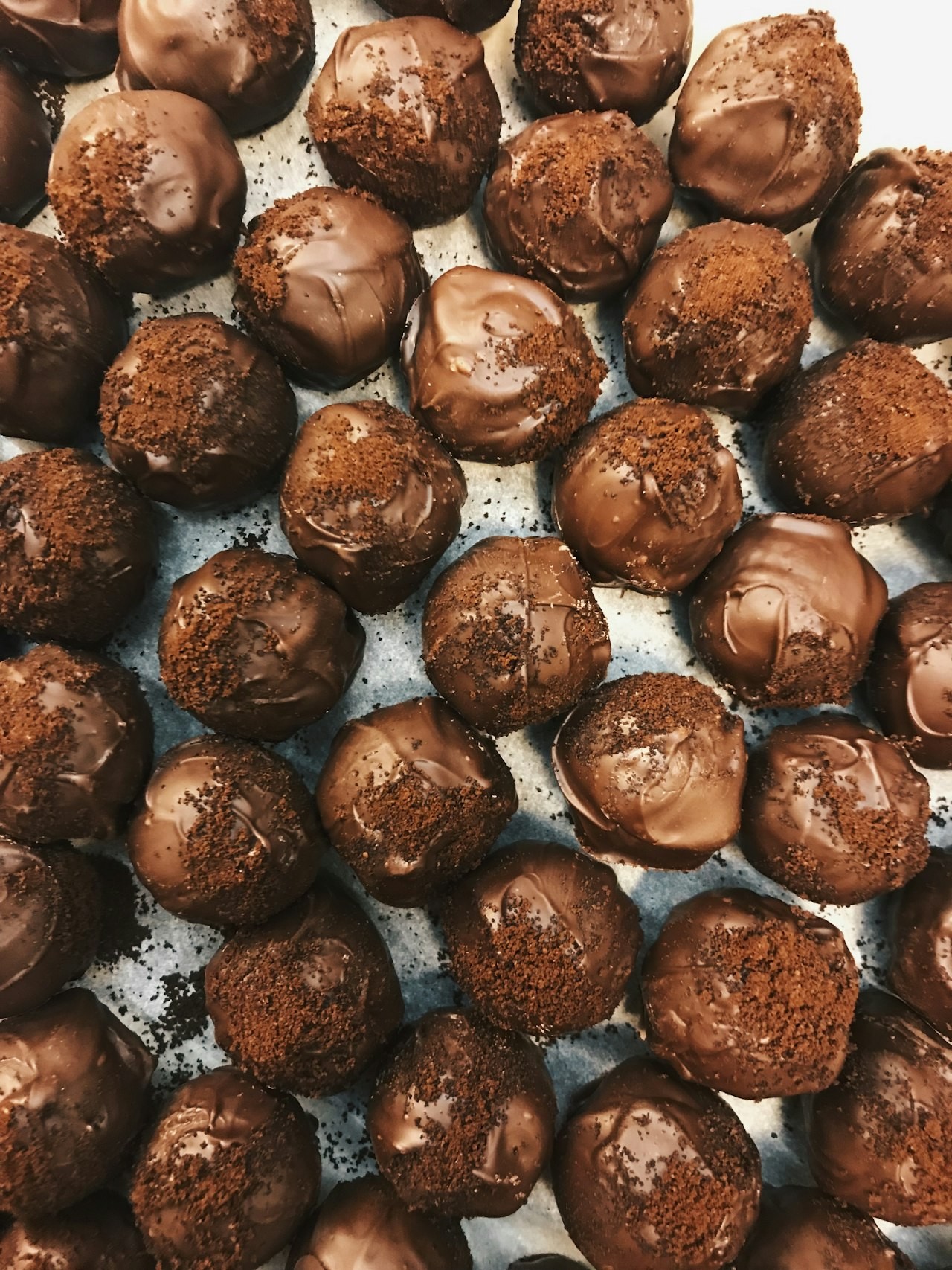
"Cocoa flavanols serve as a molecular key unlocking endothelial nitric oxide synthase; vascular smooth muscle cells relax, systemic arterial resistance abates, and tissue perfusion surges."
Biological Reaction Pathway Map:
│ Superoxide radicals uncouple eNOS
Peroxynitrite formation │
│ Nitric Oxide (NO) depletion
Vascular smooth muscle vasoconstriction │
│ Activates Akt kinase
Phosphorylates endothelial eNOS at Ser1177 │
│ Stimulates soluble Guanylyl Cyclase (sGC)
cGMP surge in smooth muscle │
Clinical Summary: Cocoa Flavanols & Cardiovascular Endpoints
| Study & Design | Cohort & Setting | Experimental Protocol | Quantitative Biomarkers & p-value | Preventive Medical Takeaway |
|---|---|---|---|---|
| Hooper et al. (AJCN 2012) - Cochrane Meta-Analysis | 1,297 subjects across 42 randomized trials (RCTs) | Daily cocoa flavanol intake (median 200 - 500 mg/day) | Flow-Mediated Dilation (FMD) expanded +2.23% (p < 0.001); Systolic BP dropped 2.8 mmHg | Directly reverses baseline endothelial stiffness and restores vascular reserve. |
| EFSA Journal (2012) - EU Regulatory Authorization | EFSA NDA Scientific Expert Panel | Mandatory threshold of 200 mg cocoa flavanols daily | Preserves endothelium-dependent vasodilation in healthy adults | Historic regulatory milestone validating the therapeutic vascular efficacy of cocoa. |
| Grassi et al. (Hypertension) - Double-Blind Crossover Trial | Essential hypertensive subjects | High-flavanol dark chocolate vs flavanol-free white chocolate | Systolic BP plummeted 11.9 mmHg (p < 0.0001); HOMA-IR improved markedly | Concurrently reverses two primary metabolic pathologies: hypertension and insulin resistance. |
1. Molecular Physiology: Monomeric (-)-Epicatechin and the eNOS-Nitric Oxide Cascade
Within the intricate polyphenol matrix of Theobroma cacao, the primary bio-active pharmacological driver is the monomeric flavan-3-ol (-)-Epicatechin. Possessing high bioavailability, it readily crosses intestinal enterocytes, peaking in systemic circulation within two hours post-ingestion:
- Calcium-Independent eNOS Phosphorylation: Circulating (-)-Epicatechin activates the intracellular PI3K/Akt kinase cascade, triggering direct phosphorylation of endothelial Nitric Oxide Synthase (eNOS) at the regulatory Serine-1177 locus. This enzymatic unblocking enables eNOS to convert L-arginine into gaseous Nitric Oxide (NO) with maximum catalytic velocity.
- Paracrine Diffusion to Vascular Smooth Muscle: Newly synthesized gaseous NO diffuses instantaneously from the endothelium across the internal elastic lamina into adjacent vascular smooth muscle cells. Within myocytes, NO binds the prosthetic heme group of soluble Guanylyl Cyclase (sGC), upregulating catalytic production of cyclic guanosine monophosphate (cGMP).
- Intracellular Calcium Clearance and Vasorelaxation: Elevated cGMP stimulates Protein Kinase G (PKG), which activates calcium efflux pumps and closes voltage-gated L-type calcium channels. As cytosolic calcium plummets, actomyosin cross-bridges decouple, triggering profound arteriole vasorelaxation and reducing systemic vascular resistance.
2. Radical Scavenging and Natural Angiotensin-Converting Enzyme (ACE) Inhibition
Cocoa flavanols operate as a multi-target vascular shield through complementary biochemical actions:
- Preserving Nitric Oxide Half-Life: In aging or dyslipidemic vasculature, superoxide radicals (O2•-) rapidly quench NO molecules, generating cytotoxic peroxynitrite (ONOO-), a highly reactive oxidant that damages endothelial cell membranes and uncouples eNOS. Flavanols act as premier direct scavengers of superoxide, shielding NO and dramatically extending its biological half-life within the vascular lumen.
- Endogenous ACE Inhibition: Conventional antihypertensive pharmacotherapy frequently relies upon synthetic ACE inhibitors. In vitro and translational models reveal that oligomeric procyanidins in cacao competitively bind the catalytic zinc-binding pocket of Angiotensin-Converting Enzyme (ACE), blunting the conversion of Angiotensin I to Angiotensin II (the body's most potent endogenous vasoconstrictor). This natural enzymatic modulation prevents acute micro-vascular spasms.
3. Therapeutic Botanical Purity vs the Industrial 'Dutching' Trap
A critical medical distinction must be drawn between authentic therapeutic dark chocolate and industrial confectionery:
- The Alkalis 'Dutching' Catastrophe: To neutralize natural botanical bitterness and impart a uniform dark hue, industrial manufacturers treat cocoa solids with potassium carbonate alkali solutions. This "Dutching" process destroys between 60% and 90% of fragile flavan-3-ols, stripping the final product of virtually all vascular nitric oxide-stimulating efficacy.
- The Clinical Standard for Medicinal Chocolate: To elicit verified Flow-Mediated Dilation and blood pressure modulation, consumers must demand non-alkalized, minimally processed dark chocolate possessing a verified cocoa content of 70% to 85%. The ingredient list should be pristine: raw cocoa mass, cocoa butter, and minimal unrefined organic cane sugar, with absolute exclusion of milk powder or hydrogenated vegetable fats.
4. Actionable Protocol: The Daily 'One Medicinal Square' Regimen
To extract peak endothelial nitric oxide benefits without incurring caloric excess, adhere to this clinical blueprint:
- Calibrated Dosage: 20 to 30 Grams Daily: A standard 100g bar is subdivided into geometric squares. Ingesting one to two squares (20 to 30g) provides 300 to 500 mg of bioactive flavanols - exceeding EFSA therapeutic minimums while adding a modest ~140 kcal to daily energy intake.
- The Lingual Slow-Melt Technique: Never chew medicinal chocolate hastily. Place a shard onto the dorsal surface of your tongue and allow physiological body heat (37°C) to melt the cocoa butter matrix. Slow melting saturates oral gustatory receptors, satisfying central dopaminergic craving circuits with minimal volume.
- The Optimal Mid-Afternoon Window: Consume your daily portion around 2:30 PM to 3:30 PM paired with warm water or unsweetened green tea. The gentle natural concentration of theobromine provides smooth cerebral focus without caffeine-induced cardiac palpitations.
- Avoid Simultaneous Dairy Ingestion: Never consume dark chocolate alongside mammalian cow's milk. The casein phosphoproteins in milk bind monomeric flavanols within the gut lumen, drastically impeding their systemic bioavailability and vascular absorption.
Physician's Perspective: The Harmonious Convergence of Medicine and Epicurean Joy
In historical clinical philosophy, effective medicine was invariably presumed to be bitter, punishing, and austere. We conditioned ourselves to endure harsh pharmaceuticals or joyless, monochromatic diet plans. Yet high-percentage cacao stands as a magnificent botanical exception: a domain where potent cardiovascular therapeutics and sublime culinary ecstasy merge seamlessly.
Approach dark chocolate not as a guilty indulgence to be concealed, but as an intentional medicinal sacrament celebrating your vascular health. Never consume it hurriedly. Discern the complex terroir, the delicate tartness of sun-fermented beans, and the velvety finish lingering on your palate. When you learn to honor nature's molecular artistry, you realize that protecting your cardiovascular future can be a journey of elegance, mindfulness, and profound sensory delight.
References and Official Clinical Guidelines
- Effects of chocolate, cocoa, and flavan-3-ols on cardiovascular health: a systematic review and meta-analysis of randomized trials: DOI: 10.3945/ajcn.111.023457 · PMID: 22301923. Definitive Cochrane systematic review of 42 clinical trials demonstrating that cocoa flavanols significantly augment Flow-Mediated Dilation by 2.23% while blunting systolic arterial pressure.
- Scientific Opinion on the substantiation of a health claim related to cocoa flavanols and maintenance of normal endothelium-dependent vasodilation: DOI: 10.2903/j.efsa.2012.2809. Landmark European Food Safety Authority (EFSA) regulatory opinion confirming that 200 mg of cocoa flavanols daily preserves endothelium-dependent vasodilation in humans.