
Amid the deluge of convoluted dietary protocols, costly metabolic pharmaceuticals, and meticulous macronutrient-tracking applications, modern medicine routinely overlooks the most accessible, zero-calorie pharmacological tool on Earth: pure drinking water. Most individuals drink purely reactively when acute thirst manifests - a somatic threshold indicating cellular hypohydration has already reached 1 to 2% of body mass. Sitting down to a feast with an empty, collapsed gastric lumen frequently incites rapid, uninhibited hyperphagia. A landmark randomized controlled trial conducted at the University of Birmingham and published in Obesity demonstrates that preloading 500 mL of water thirty minutes before meals operates as a potent, evidence-based weight management strategy.
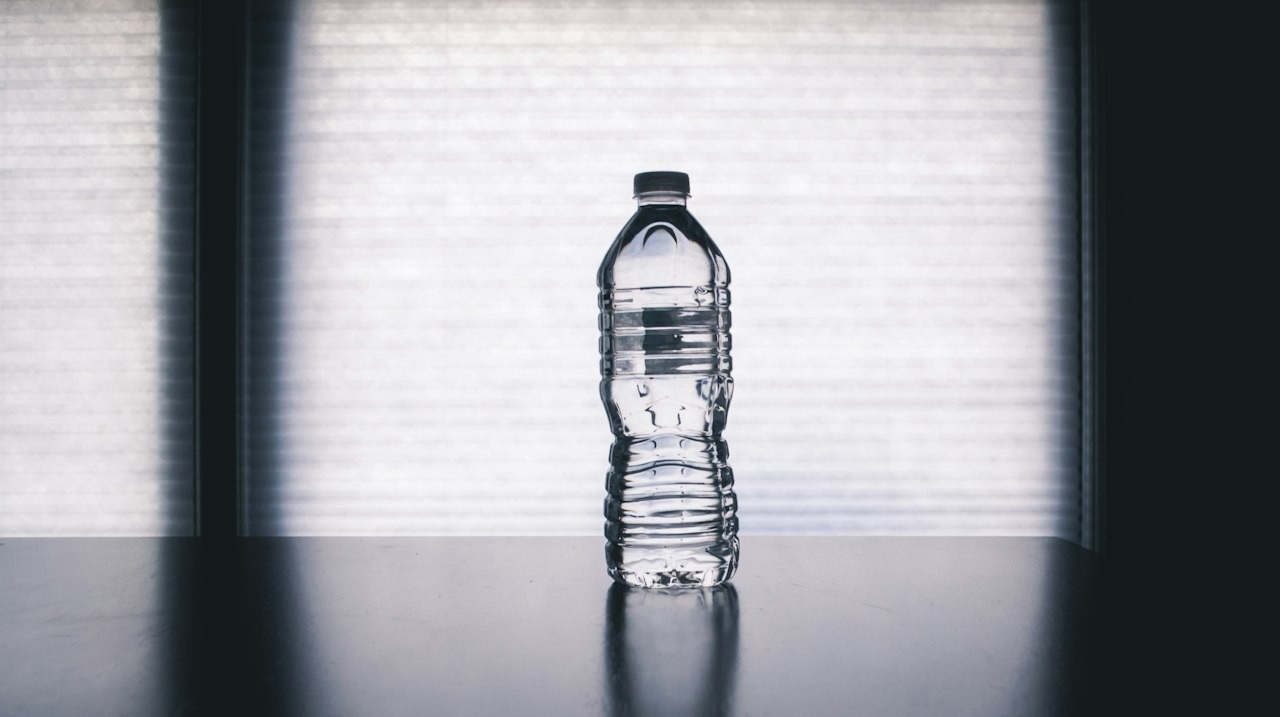
"Drinking 500 mL of water 30 minutes pre-meal primes the gastric reservoir; mechanoreceptors trigger vagal afferents to announce volume fullness while thermogenic sympathetics elevate resting metabolic rate."
Biological Reaction Pathway Map:
│ Gastric mucosal collapse
Uninhibited orexigenic Ghrelin secretion │
│ Hyperphagic ingestion velocity
Excess +150-200 kcal consumed │
Clinical Summary: Pre-Meal Hydration & Metabolic Metrics
| Study & Design | Cohort & Setting | Experimental Protocol | Quantitative Biomarkers & p-value | Preventive Medical Takeaway |
|---|---|---|---|---|
| Parretti et al. (Obesity 2015) - Randomized Controlled Trial (RCT) | 84 obese adults monitored across 12 continuous weeks | Preloading 500 mL tap water 30 min before three main meals vs control | Compliant cohort lost 4.3 kg (1.3 kg greater than standard lifestyle consultation, p = 0.04) | Highly efficacious, zero-cost lifestyle prescription suitable for primary prevention. |
| EFSA Scientific Opinion (2011) - Regulatory Panel Authorization | Comprehensive evaluation of hydration science | Verified baseline daily water requirements (2.0L women, 2.5L men) | Sustains physical performance, cognitive processing, and thermoregulation | Authorizes formal health claims confirming water's foundational metabolic necessity. |
| Boschmann et al. (JCEM 2003) - Indirect Calorimetry Study | Healthy non-obese adults | Ingestion of 500 mL room temperature water (22°C) | Resting Energy Expenditure (REE) climbed by 30% (p < 0.001), peaking at 40 min | Validates water-induced sympathetic thermogenesis in human metabolic chambers. |
1. Biophysical Physiology: Gastric Wall Mechanoreceptor Distension
The fasting human stomach collapses into longitudinal mucosal folds termed rugae, possessing an empty resting volume of merely 50 to 75 mL. When solid food is consumed in this collapsed state, substantial time lapses before solid chyme generates sufficient wall tension to stimulate satiety mechanoreceptors.
Consuming 500 mL of water thirty minutes pre-meal rewires this dynamic:
- Activation of Intrinsic Mechanoreceptors: Ingesting a half-liter volume stretches the muscularis externa of the gastric fundus and body, stimulating high-threshold mechanoreceptors without delivering a single calorie.
- Vagal Afferent Signaling to the Brainstem: These mechanosensitive endings discharge continuous action potentials along unmyelinated vagal C-fibers terminating in the Nucleus Tractus Solitarius (NTS). The NTS projects directly to the hypothalamic arcuate nucleus, downregulating orexigenic NPY/AgRP circuits while exciting anorexigenic POMC/CART neurons.
- The 30-Minute Chronobiological Precision: Free water does not linger within the gastric reservoir like calorie-dense macronutrients; it initiates duodenal transit within 10 to 15 minutes. The 30-minute interval represents the golden mean: it grants vagal mechanosensory circuits the latency needed to register central satiety while ensuring the bulk fluid empties prior to meal arrival, preserving gastric juice enzymatic concentration.
2. The Science of Water-Induced Sympathetic Thermogenesis
A profound metabolic phenomenon illuminated by Dr. Michael Boschmann in the Journal of Clinical Endocrinology & Metabolism (JCEM) demonstrates that pure water ingestion stimulates acute systemic energy expenditure:
- Ingesting 500 mL of room-temperature water (22°C) induces an acute elevation in human Resting Energy Expenditure (REE) beginning within 10 minutes, peaking at a 30% metabolic surge at 30 to 40 minutes, and remaining elevated for over an hour.
- Cellular Mechanism: Rapid trans-mucosal water flux across the hepatic portal system creates a transient micro-dilution of portal vein osmolality. Hepatic portal osmoreceptors transmit sympathetic neural barrages, stimulating beta-adrenergic receptors to upregulate basal cellular thermogenesis and mitochondrial lipid oxidation.
- Over a 12-month continuum, consuming 1.5 to 2.0 liters of structured pre-meal water translates into an autonomous caloric expenditure of approximately 17,400 kcal - equivalent to eliminating several pounds of adipose tissue purely via fluid dynamics.
3. Deconstructing the Myth: Does Pre-Meal Water Dilute Gastric Digestive Juices?
A persistent urban myth claims that ingesting water prior to meals dangerously dilutes hydrochloric acid (HCl) and pepsin, crippling protein digestion. Clinical gastrointestinal physiology unequivocally refutes this fallacy:
- The Enormous Buffering Capacity of Parietal Cells: When alimentary boluses arrive, gastric parietal cells - stimulated by gastrin, histamine, and acetylcholine - possess the reserve capacity to secrete high-concentration HCl (pH 1.5 to 2.0). A 500 mL water bolus exerts a negligible, transient effect on luminal pH, which normalizes within three to five minutes.
- Anatomical Drainage via the Magenstrasse: The human stomach features an internal anatomical groove along the lesser curvature designated the Magenstrasse (gastric canal). Free liquids channel rapidly down this chute directly into the pyloric antrum and duodenum, bypassing the dense digestive juices sequestered in the fundic reservoir.
- Far from crippling digestion, proper pre-hydration provides the essential solvent required for pancreatic exocrine bicarbonate synthesis and mucosal mucin barrier replenishment.
4. Actionable Protocol: The Standardized 3-Step Pre-Meal Hydration Routine
Seamlessly implement this metabolic habit with three clinical ground rules:
- The 30-Minute Water Preload: Position a 500 mL glass of pure spring or filtered tap water at your desk or dining table. Drink it steadily in calm, generous sips approximately 30 minutes prior to your two largest meals (lunch and dinner).
- Optimal Temperature: 20°C to 25°C: Consume room temperature or gently chilled water. Avoid ice-cold fluids immediately pre-meal, as extreme thermal shock can induce transient mucosal vasoconstriction in sensitive individuals.
- Strict Zero-Calorie Purity: The preloading fluid must consist strictly of pure water, unsweetened mineral water, or mild herbal tea. Substituting sweetened sodas, commercial juices, or heavy sodium-laden broths injects rapid sugars that trigger hyperinsulinemia, completely defeating the metabolic purpose.
- Minimal Sips During the Meal Itself: Having preloaded your gastric volume, restrict fluid intake during the actual dining process to occasional tiny sips when needed for masticatory lubrication.
Physician's Perspective: Honoring the Pure Solvent of Living Biology
The human body is 60 to 70% water by weight. Every mitochondrial phosphorylation cascade, every actomyosin cross-bridge cycle, and every synaptic neurotransmitter discharge occurs suspended within an aqueous solvent. Yet amid modern urgency, we routinely neglect pure drinking water while spending fortunes on sugary stimulants and commercial beverages.
Pausing to drink a tall glass of clean water thirty minutes before dining is an intentional act of cellular reverence. It allows you to pause, acknowledge the subtle mechanical expansion of your stomach, hydrate your metabolic machinery, and cultivate mindful gratitude before nourishing yourself with food. Enduring metabolic health does not require radical dogma; it begins with the humble clarity of a glass of water.
References and Official Clinical Guidelines
- Efficacy of water preloading before main meals as a strategy for weight loss in primary care: A randomized controlled trial: DOI: 10.1002/oby.21167 · PMID: 26237305. Randomized controlled trial in 84 obese adults proving that 500 mL water preloading 30 minutes before main meals drives a 4.3 kg weight loss over 12 weeks.
- Scientific Opinion on the substantiation of health claims related to water and maintenance of normal physical and cognitive functions: DOI: 10.2903/j.efsa.2011.2075. Official European Food Safety Authority (EFSA) regulatory assessment substantiating that regular water intake directly preserves baseline physical, cognitive, and thermoregulatory function.