
Listen to Audio Dispatch Brief
The 60-second read
Evidence level:Human observational dataEvery year, hundreds of thousands of women face cervical cancer, a disease largely originating from a silent sexually transmitted virus named HPV
- Molecular mechanism: When E6 and E7 proteins neutralize cellular defense systems
- Decoding scientific facts and the real-world efficacy of preventive vaccines
- Practical applications and lifestyle strategies for gynecological health protection
In daily life, we often hear the term HPV, but few realize this virus silently parasitizes the bodies of millions without immediate symptoms. Many women upon receiving a positive screening result fall into extreme anxiety, worrying about how the disease will progress.
However, anxiety usually stems from a lack of information about how the virus truly operates at the microscopic level. Understanding the pathway by which HPV plants abnormal seeds is not meant to induce fear, but serves as the key to seizing proactive prevention.
Modern science has exposed the entire immune-evasion strategy of this virus while providing preventive medical solutions with efficacy rates exceeding ninety percent, helping us secure peace of mind for ourselves and our families.
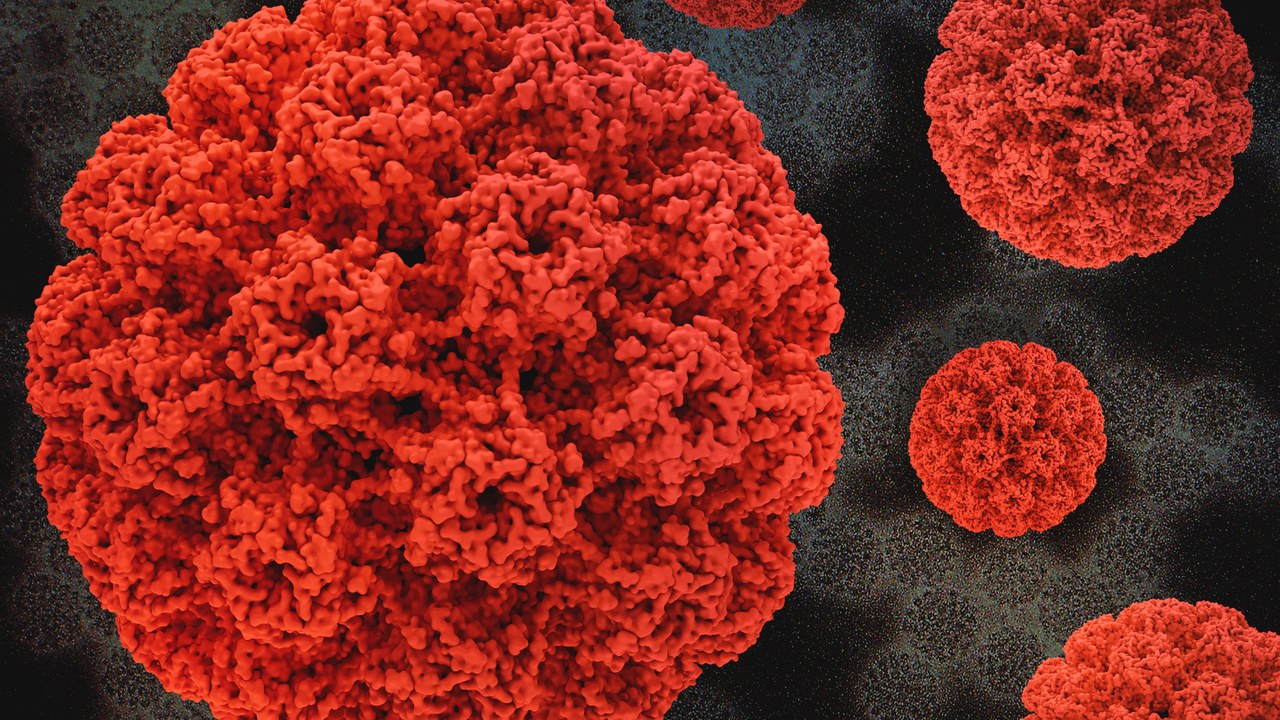
"Imagine your cell as a secure high-rise office building, where the p53 gene acts as a diligent security guard, constantly inspecting rooms and ready to trigger an alarm or lock doors if any malicious code enters. When the HPV virus invades, they act like professional thieves carrying biological handcuffs named the E6 protein. This thief immediately handcuffs the security guard p53, ties him tightly in a dark corner, and calls a garbage truck to haul him away for destruction. With no one left to watch, the office building begins allowing strangers to replicate recklessly, ultimately transforming the home into a chaotic cancer cell factory."
Molecular Pathway Flowchart
Nhiễm virus HPV nguy cơ cao
Biểu hiện Oncoprotein E6 và E7
Gắn kết và phân hủy protein p53 / Rb
Mất kiểm soát chu kỳ tế bào và đột biến gen
Tiến triển thành tổn thương ác tính cổ tử cung
Molecular mechanism: When E6 and E7 proteins neutralize cellular defense systems
When high-risk human papillomavirus types such as 16 or 18 invade the cervical epithelial cell layer, they do not immediately destroy cells but silently integrate genetic material into the host genome. Here, two genes encoding oncogenic proteins E6 and E7 are strongly activated in large quantities.
The E6 protein seeks out and tightly binds to the p53 protein, a molecular guardian of the genome responsible for repairing damaged DNA or ordering flawed cells to self-destruct.
When E6 binds to p53, it triggers a biological tagging system called ubiquitination, causing the p53 protein to be rapidly sent to the proteasome degradation machinery for complete destruction.
Meanwhile, the E7 protein neutralizes another critical gatekeeper named the Retinoblastoma protein, forcing cells to divide continuously without receiving permission signals from the body.
The simultaneous loss of both p53 and Rb creates a chaotic environment where genetic errors accumulate over time without ever being repaired or halted, eventually leading to malignant tumor formation.
Decoding scientific facts and the real-world efficacy of preventive vaccines
Many people often ask whether HPV infection inevitably progresses to cancer or if most cases clear on their own via the body's natural immunity. In reality, about eighty to ninety percent of HPV infections are automatically cleared by the immune system within one to two years without leaving residual effects.
However, persistent infections with high-risk types significantly reduce clearance capacity, increasing the risk of epithelial cell transformation. The advent of HPV vaccines, ranging from quadrivalent to nonavalent formulations, marks a monumental milestone in preventive medicine thanks to virus-like particle technology.
These particles contain major L1 capsid proteins that self-assemble into pseudovirus structures lacking genetic material, stimulating the body to produce large amounts of high-affinity neutralizing antibodies. Below is a detailed comparison table outlining infection stages and the impact of preventive medicine.
| Physiological index or intervention | Transient HPV infection stage | Persistent HPV infection stage | Vaccine protective efficacy |
|---|---|---|---|
| Immune status | Naturally cleared within 1-2 years | Immune evasion and persistent presence | Generates exceptionally high neutralizing titers |
| E6/E7 protein activity | Suppressed or insufficient pathogenic levels | Strongly expressed, continuous p53 destruction | Completely blocks viral entry into host cells |
| Cervical cancer risk | Low (Near zero) | High (Precancerous CIN 2/3, invasive cancer) | Reduces precancerous lesion risk by over 90% |
Practical applications and lifestyle strategies for gynecological health protection
To optimize cervical cancer prevention, combining active immunization with routine screening forms an irreplaceable golden strategy. Women aged nine to twenty-six represent the ideal target group for HPV vaccination, though recent studies also demonstrate substantial benefits for older cohorts who have not yet contracted the virus.
Beyond vaccination, performing routine screenings such as Pap smears combined with HPV DNA testing helps detect early abnormal changes at the precancerous stage, when treatment success rates approach absolute perfection.
In daily life, maintaining a healthy lifestyle, consuming abundant antioxidants from fresh vegetables and fruits, avoiding cigarette smoking, and practicing safe sex play crucial roles in supporting overall systemic immunity to remain in peak combat readiness.
Proactively consult with a specialist to design a personalized health protection plan, turning scientific understanding into a steadfast shield for a peaceful life.
Putting it into practice — safely
What you can do
- Consult your physician or healthcare specialist before making significant dietary or supplementation adjustments.
- Follow guidelines: Practical applications and lifestyle strategies for gynecological health protection
When to talk to a doctor
If experiencing persistent symptoms, chronic discomfort, or unexplained weight loss.