
Listen to Audio Dispatch Brief
The 60-second read
Evidence level:Human observational dataMany people frequently experience crushing fatigue, bloating, and brain fog despite getting enough sleep and eating well
- Biological mechanism: When the gut security gate is breached
- Decoding scientific facts and inflammatory triggers
- Practical applications and kitchen strategies for mucosal recovery
Every morning, Lan (35, an office worker in Hanoi) wakes up feeling as heavy as if she were carrying a boulder, despite going to bed at 10 PM the night before. She drinks two cups of strong coffee to wake up, but just hours later, drowsiness strikes again accompanied by uncomfortable bloating and gas.
She underwent a general checkup, and her doctor noted normal liver and kidney functions while advising more rest. However, this lingering fatigue persisted month after month, turning a once vibrant person into a sluggish shadow amidst daily work.
Seeking the root cause, scientists realized that the origin of such unexplained fatigue often lies not in the brain, but deep within the gut, where a fragile protective barrier is gradually eroding and losing control.
"Imagine your intestinal wall as a tightly woven fishing net that allows only water and tiny nutrients to pass through while keeping seaweed and sand outside. When the protective mucus layer and tight junctions between cells are damaged by stress, fast food, or antibiotics, that net tears into large holes. At this point, not just nutrients but waste and bacterial toxins from inside the gut flood through the security gate into the bloodstream, forcing the immune police to constantly sound alarms, burning up your energy and leaving you feeling exhausted."
Molecular Pathway Flowchart
"Căng thẳng, Đường tinh luyện, Kháng sinh","
","Tổn thương các mối nối khít Zonulin & Mucin","
","Rò rỉ độc tố Endotoxin/LPS vào dòng máu","
","Kích hoạt viêm hệ thống và Kiệt quệ năng lượng"
Biological mechanism: When the gut security gate is breached
Our gut spans seven meters, lined by a delicate epithelial layer only as thick as a single sheet of paper. Between these cells are specialized biological locks called tight junctions, held firmly by proteins such as zonulin, occludin, and claudin.
Normally, this lock acts as a dedicated gatekeeper, precisely deciding which molecules are allowed into the bloodstream to nourish the body and which must be expelled.
When we consume excessive refined sugars, processed foods with preservatives, endure prolonged psychological stress, or overuse pain relievers and antibiotics, the gut microbiome becomes imbalanced.
At this point, the protein zonulin signals tight junctions to open wider than normal, creating large gaps in the intestinal wall, a phenomenon known medically as increased intestinal permeability or commonly as leaky gut syndrome.
Decoding scientific facts and inflammatory triggers
When these gaps appear, fragments of gram-negative bacterial cell walls called endotoxins or LPS (lipopolysaccharide) slip through the intestinal wall directly into the bloodstream. The body immediately recognizes these as foreign terrorists and mobilizes the immune system to destroy them, releasing a cascade of inflammatory cytokines and TNF-alpha.
This low-grade war wages day and night without rest, consuming a massive amount of the body's energy, impairing mitochondrial function in brain and muscle cells, leading to chronic fatigue and brain fog. The table below contrasts a healthy gut barrier with a compromised, permeable gut barrier.
| Physiological State / Intervention | Key Molecular Mechanism | Clinical Target Impact |
|---|---|---|
| Physiological Baseline | Maintains homeostatic signaling | Normal physiological function |
| Pathological / Age-related Decline | Receptor inhibition or toxic accumulation | Risk of chronic cellular stress |
| Evidence-based Optimization | Upregulates protective endogenous pathways | Functional recovery & resilient longevity |
Practical applications and kitchen strategies for mucosal recovery
To patch up the leaks in your gut wall, the first step is eliminating irritants like refined sugars, deep-fried foods, and unnecessary medications. Next, incorporate glutamine-rich foods such as boiled cabbage and traditional bone broth to provide direct building blocks for intestinal epithelial cell regeneration.
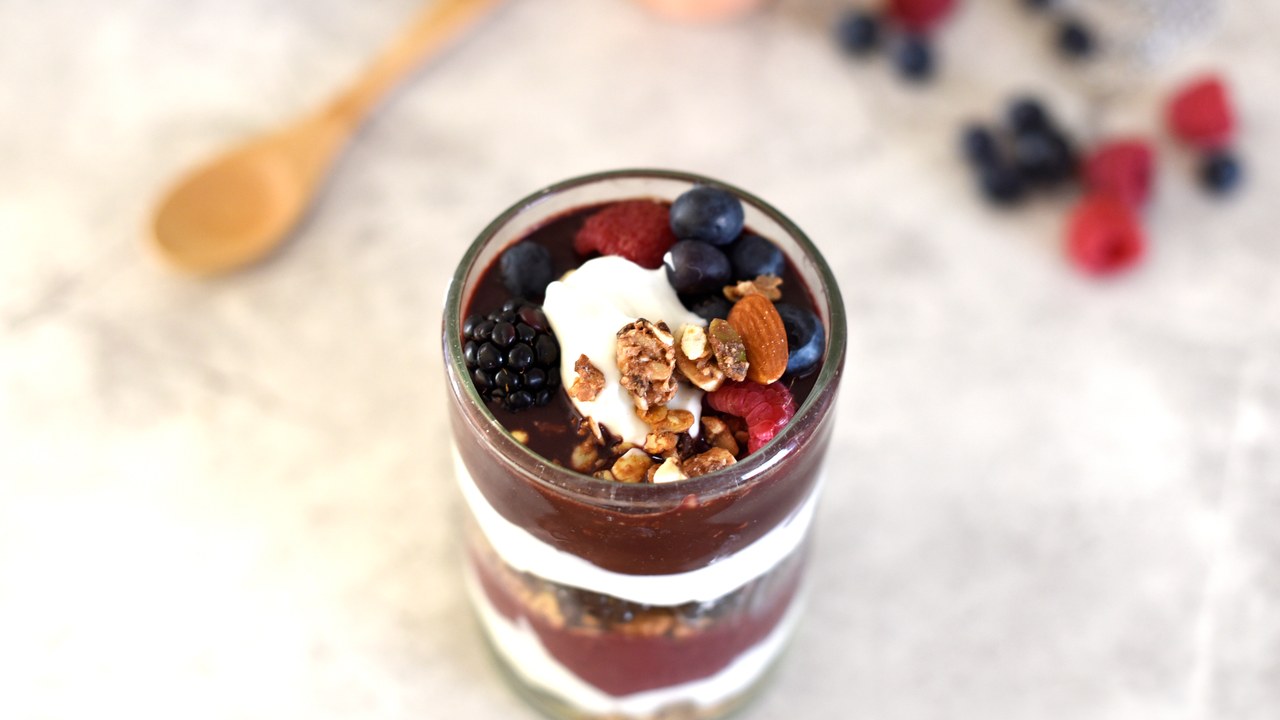
Simultaneously, boost soluble fiber from greens, oats, and berries to nourish beneficial bacteria that produce short-chain fatty acids, acting as solid mortar sealing the cracks.
Chew slowly, eat mindfully, and maintain a relaxed mindset during meals to prevent your enteric nervous system from over-stimulation, helping your body restore vitality from the roots.
Putting it into practice — safely
What you can do
- Consult your physician or healthcare specialist before making significant dietary or supplementation adjustments.
- Follow guidelines: Practical applications and kitchen strategies for mucosal recovery
When to talk to a doctor
If experiencing persistent symptoms, chronic discomfort, or unexplained weight loss.