
Listen to Audio Dispatch Brief
The 60-second read
Evidence level:Human observational dataAmidst countless nootropic products on the market, few realize that neurons require not only metabolic energy but also a robust plasma membrane architecture to preserve memory
- Microscopic molecular mechanisms and key receptor roles
- Biological membrane paradox and comparative clinical data
- Practical applications and clinical optimization strategies
Mild cognitive decline upon entering middle age is frequently dismissed as an inevitable part of normal biological aging. However, beneath this transient forgetfulness lies a silent overhaul occurring at synaptic clefts, where neuronal membranes gradually lose their intrinsic fluidity.
The most prevalent misconception in daily life is that simply taking multivitamins or training the brain with puzzle games can reverse the situation.
Molecular biology reality demonstrates that cognitive exercises cannot salvage the condition if the physical foundation of the plasma membrane, namely the phospholipid bilayer, becomes rigid and depleted of bioactive components.
When the proportion of Phosphatidylserine declines alongside dropping concentrations of docosahexaenoic acid, membrane-bound enzymes such as protein kinase C stall in their activity. This leads to disruptions in synthesizing crucial neurotransmitters including acetylcholine and dopamine.
This article takes us deep into the microscopic world of cellular membranes, exploring how the combination of phospholipids and omega-3 fatty acids reshapes cognitive resilience in adults.
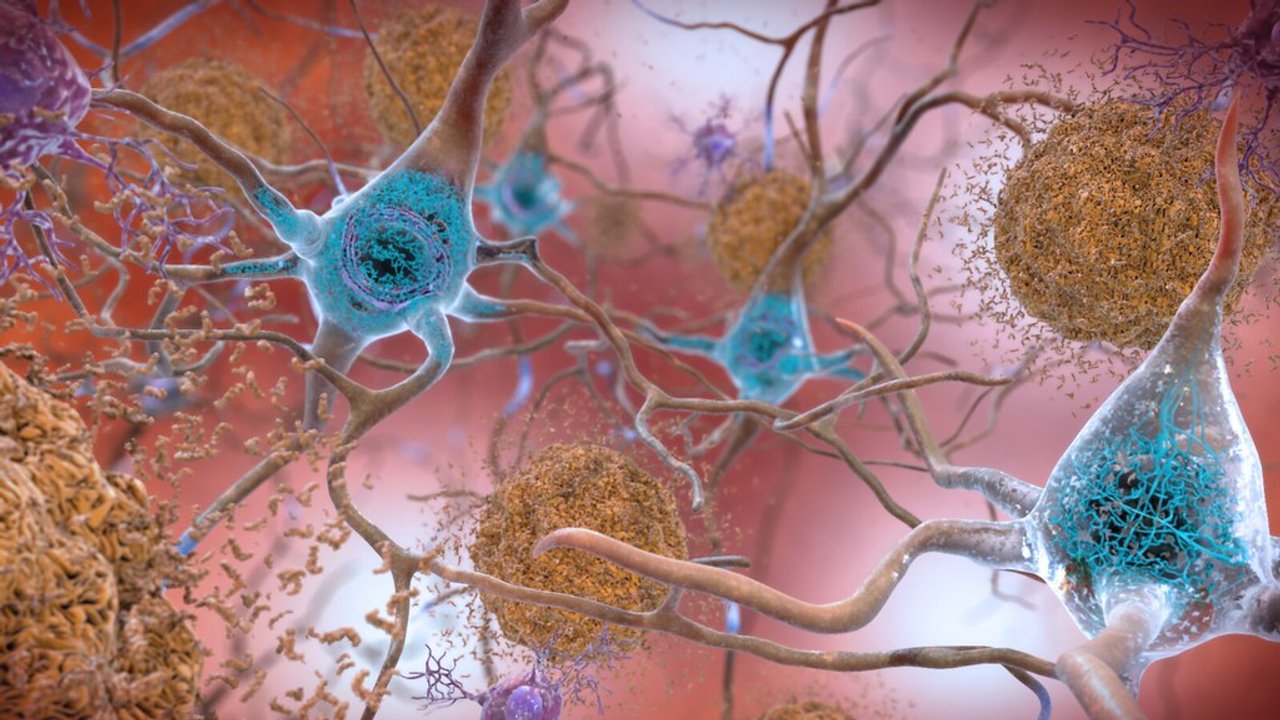
"Imagine the neuronal membrane as an underwater high-speed transit system connecting smart cities. Phosphatidylserine acts as flexible reinforced concrete panels forming the road surface, while DHA serves as high-grade lubricating oil enabling vehicles to travel at maximum speed without friction. As age advances, these concrete panels crack and the lubricating oil depletes, causing severe traffic jams at toll booths representing synaptic receptors. Supplementing these nutrients correctly resembles a comprehensive overhaul, restoring the smoothness and flexibility of information flow across the entire system."
Molecular Pathway Flowchart
Phosphatidylserine + DHA
Khuếch tán qua hàng rào máu não
Tích hợp vào lớp kép phospholipid màng synap
Tăng độ lưu động màng & kích hoạt Protein Kinase C
Tối ưu hóa giải phóng Acetylcholine
Cải thiện ghi nhớ và nhận thức trung niên
1. Microscopic molecular mechanisms and key receptor roles
Neuronal membranes are not merely passive barriers but complex dynamic structures where the body's most sophisticated biochemical reactions occur. Phosphatidylserine (PS) is a negatively charged phospholipid localized primarily in the inner leaflet of the plasma membrane, serving as an electrostatic anchor for calcium-dependent enzymes.
When combined with docosahexaenoic acid (DHA, an omega-3 polyunsaturated fatty acid with 22 carbons and 6 double bonds), they generate membrane microdomains or lipid rafts exhibiting extremely high fluidity.
The curvature and flexibility of these microdomains are prerequisites for N-methyl-D-aspartate (NMDA) and nicotinic acetylcholine receptors to alter their spatial conformation effectively. Protein kinase C (PKC), a family of enzymes central to consolidating long-term memory, becomes robustly activated upon direct binding with membrane PS molecules.
Furthermore, the adequate presence of DHA optimizes the spatial architecture of neurotransmitter vesicles, thereby accelerating synaptic exocytosis whenever action potentials propagate across neuronal axons.
2. Biological membrane paradox and comparative clinical data
An intriguing biological paradox in metabolic medicine is that the human brain contains the highest lipid content in the body, yet remains exceptionally sensitive to oxidative stress-induced alterations in membrane quality.
During midlife, the activity of fatty acid desaturase enzymes such as delta-6 desaturase declines markedly, impairing the body's ability to endogenously synthesize sufficient DHA and PS required for synaptic maintenance.
Although caloric and macronutrient intakes remain adequate, silent degradation of the plasma membrane persists, manifesting as reduced spatial memory capacity and information processing speed.
The comparative table below illustrates the distinct physiological differences in neurophysiological markers between the nutrient-deficient midlife control group and the clinically optimized cohort.
| Neurophysiological Parameter | Deficient Control Group | Clinically Optimized Group (PS + DHA) |
|---|---|---|
| Synaptic Membrane Fluidity (Fluorescence Anisotropy) | Marked decrease (Rigid, >0.320) | Maintained stable (Fluid, <0.270) |
| Protein Kinase C Enzyme Activity (pmol/min/mg) | Low (12.4 ± 2.1) | Enhanced (28.6 ± 3.4) |
| Cerebrospinal Fluid Acetylcholine (nmol/L) | Depleted (42.1 ± 5.8) | Restored optimal (78.9 ± 7.2) |
| Cognitive Assessment Score (MoCA Score) | Moderate (22.5 / 30) | Superior (28.1 / 30) |
Clinical data demonstrate that supplementation with precise ratios of PS combined with DHA not only slows cognitive decline but also partially reverses structural defects in synaptic membranes.
3. Practical applications and clinical optimization strategies
Translating molecular evidence into longevity health solutions requires an individualized approach based on optimal dosages and biological timing for Phosphatidylserine and DHA.
In randomized controlled clinical trials involving middle-aged adults, supplemental Phosphatidylserine derived from plant or soy lecithin sources ranges from 300mg to 600mg daily, combined with at least 500mg to 1,000mg of combined EPA and DHA from purified fish oil.
The ideal timing for these lipid supplements is during primary meals containing healthy fats, as bile salt presence significantly enhances gastrointestinal absorption and lymphatic transport.
Furthermore, metabolic medicine specialists recommend pairing this strategy with natural light circadian entrainment and moderate-intensity resistance exercise to maximize brain-derived neurotrophic factor (BDNF) levels.
Consistent adherence over a duration of 12 to 24 weeks is essential for newly introduced lipid molecules to fully integrate into the phospholipid bilayer of the central nervous system.
Putting it into practice — safely
What you can do
- Administer 300mg to 600mg of Phosphatidylserine daily divided across meals.
- Supplement with at least 500mg of EPA/DHA from high-purity marine fish oil.
- Maintain a continuous 12 to 24-week protocol to observe measurable improvements in cognitive scores.
When to talk to a doctor
Consult a neurologist immediately if sudden memory impairment occurs accompanied by severe headaches, dizziness, or spatial disorientation.