
Listen to Audio Dispatch Brief
The 60-second read
Evidence level:Human observational dataMenopause transition brings hot flashes, fatigue and anxiety that trouble many women
- Biological mechanisms and the journey of plant molecules in the body
- Decoding scientific reality and clinical comparative analysis
- Optimizing dietary habits and safe lifestyle strategies
Every morning in my clinic, many women around fifty share their struggles with sudden night hot flashes and moody days. They hear advice to eat tofu or drink soy milk, but hesitate upon hearing rumors that soy harms endocrine health. This contradiction creates an invisible wall of anxiety, forcing many to endure natural symptoms.
In truth, nature offers a subtle solution called phytoestrogens, plant compounds resembling female hormones that operate through smart regulatory mechanisms. Understanding their true science turns familiar foods into reliable companions for youth preservation.
"Imagine our body cells as office buildings with strict magnetic card security systems. Natural estrogen is the perfect card, smoothly opening doors for temperature and mood control systems. During menopause, these cards drop drastically, causing erratic office climates. Phytoestrogens from soy and flaxseed act like versatile wooden keys that fit gently into the locks, preventing total system freeze and easing hot flashes gracefully."
Molecular Pathway Flowchart
Thực phẩm chứa Phytoestrogen
Tiêu hóa bởi hệ vi sinh đường ruột
Sản xuất hoạt chất Equol / Enterodiol
Gắn kết chọn lọc thụ thể Beta Estrogen
Giảm bốc hỏa & Cải thiện chuyển hóa
Biological mechanisms and the journey of plant molecules in the body
When we consume soy products like tofu, soy milk, or flaxseeds, primary bioactive molecules called isoflavones (genistein, daidzein) along with secoisolariciresinol diglucoside (SDG) begin their journey through the digestive tract. Here, they rely on gut microbiota acting as biological refining factories.
Gut bacteria cleave sugar molecules attached to the compounds, converting daidzein into equol, a highly valued active metabolite, and SDG into enterodiol and enterolactone. Equol possesses a three-dimensional structure remarkably similar to 17-beta-estradiol, the primary female endogenous hormone.
The magic lies in their ability to distinguish between two endocrine receptor subtypes: alpha and beta receptors. While alpha receptors concentrate in breast and uterine tissues, promoting tissue growth, beta receptors distribute widely in the brain, blood vessels, bones, and skin.
Phytoestrogens bind to beta receptors with significantly higher affinity than alpha receptors, prioritizing activation of hypothalamic temperature regulation centers and bone density protection without increasing risks of breast or uterine tissue hyperplasia.
Decoding scientific reality and clinical comparative analysis
Many worry that consuming phytoestrogen-rich foods might disrupt endocrine balance or interfere with medical therapies. However, modern clinical studies demonstrate that phytoestrogens act as natural selective estrogen receptor modulators, known as SERMs.
When endogenous estrogen levels drop sharply during menopause, phytoestrogens compensate by gently activating empty receptors. Conversely, when endogenous hormone levels are high, they act competitively to block overly potent hormones from causing abnormal stimulation. This explains why maintaining dietary consumption of these foods provides exceptionally stable metabolic regulation.
The following comparison table illustrates the differences between natural dietary phytoestrogens and common synthetic hormone replacement therapies:
| Comparison Criteria | Natural Phytoestrogens (Soy, Flaxseed) | Synthetic Hormone Replacement Therapy (HRT) |
| Physiological State / Intervention | Key Molecular Mechanism | Clinical Target Impact |
|---|---|---|
| Physiological Baseline | Maintains homeostatic signaling | Normal physiological function |
| Pathological / Age-related Decline | Receptor inhibition or toxic accumulation | Risk of chronic cellular stress |
| Evidence-based Optimization | Upregulates protective endogenous pathways | Functional recovery & resilient longevity |
Optimizing dietary habits and safe lifestyle strategies
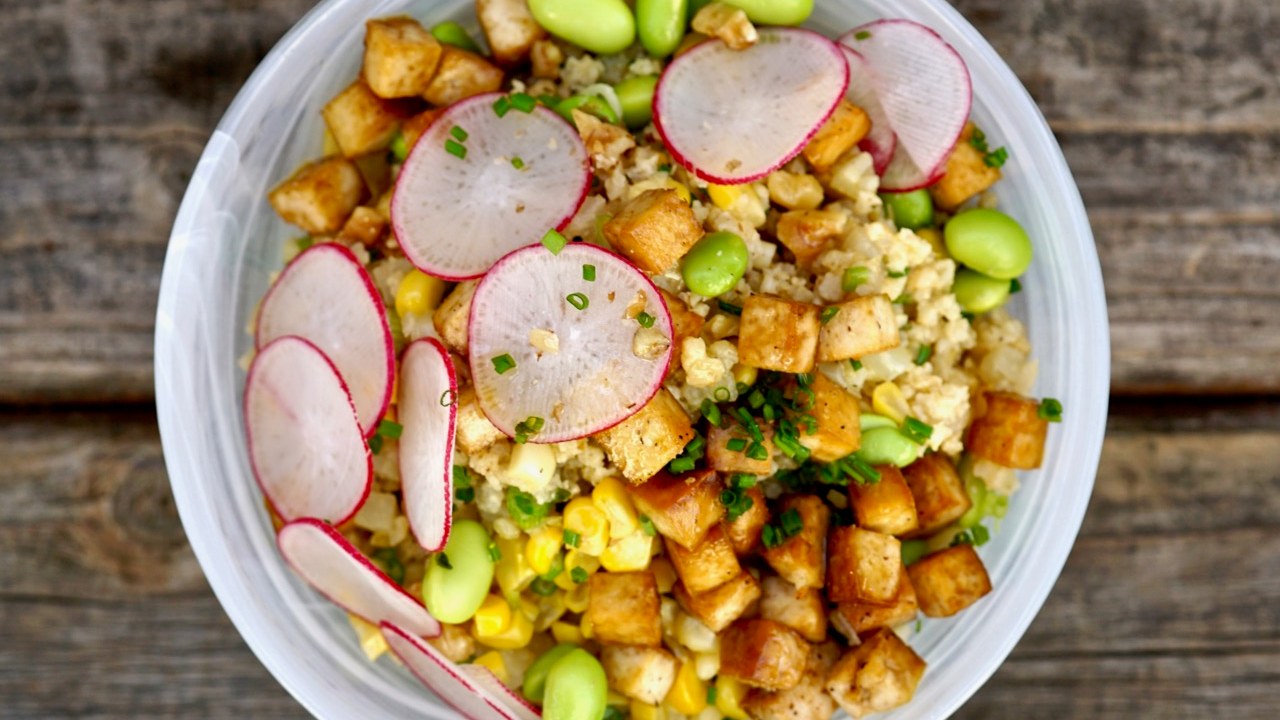
To fully harness the wonderful benefits of phytoestrogens without digestive obstacles, we should adopt smart, science-based dietary strategies. First, prioritize traditional or whole soy foods such as fresh tofu, boiled edamame, unsweetened soy milk, or miso paste rather than highly processed soy protein isolates.
For flaxseeds, their hard outer shell requires milling or grinding before consumption to allow complete absorption of SDG and essential omega-3 fatty acids inside. You can sprinkle one to two teaspoons of ground flaxseed into your morning oatmeal bowl or mix it into plain yogurt.
Additionally, maintaining a healthy gut microbiome through diverse plant fiber intake is a prerequisite for gut bacteria to efficiently convert precursors into equol. Listen to your body, start with modest portions, and turn these wholesome plant foods into a comforting daily health ritual.
Putting it into practice — safely
What you can do
- Consult your physician or healthcare specialist before making significant dietary or supplementation adjustments.
- Follow guidelines: Optimizing dietary habits and safe lifestyle strategies
When to talk to a doctor
If experiencing persistent symptoms, chronic discomfort, or unexplained weight loss.