
Listen to Audio Dispatch Brief
The 60-second read
Evidence level:Human trials (RCT)Daily supplementation with cold-pressed pumpkin seed oil fights hormonal hair loss as natural Phytosterols block the DHT-producing enzyme that shrinks hair follicles.
- The 5-alpha-reductase enzyme converts testosterone into DHT, the primary cause of follicle miniaturization.
- Phytosterols and Zinc in pumpkin seed oil competitively inhibit 5-AR, stemming DHT accumulation in scalp tissue.
- A 24-week clinical trial showed a 40% increase in hair density with pumpkin seed oil without systemic side effects.
Waking up each morning to find dozens of hair strands scattered on your pillow or shower drain can be a distressing experience for both men and women. We often rush to purchase expensive shampoos, yet hair continues to thin progressively around the crown and temples. The biological reality is that pattern hair loss (Androgenetic Alopecia) originates deep within the scalp matrix, where a silent biochemical crisis takes place.
During periods of chronic stress or hormonal shifts, the enzyme 5-alpha-reductase becomes overactive, converting benign testosterone into potent Dihydrotestosterone (DHT). DHT binds aggressively to follicle receptors, constricting nutrient supply lines and shrinking hair roots over time. Fortunately, modern biomedical research from Germany and South Korea reveals that cold-pressed pumpkin seed oil provides a natural intervention capable of targeting this exact pathway safely.
"Scalp hair follicles resemble tiny potted plants requiring aerated soil and fresh water to sprout. Free testosterone serves as the initial nourishing water, but when acted upon by the 5-alpha-reductase enzyme, it converts into DHT - acting like salty brine that parches the soil and chokes the roots. Phytosterols and fatty acids in pumpkin seed oil function as a smart protective cap, locking the enzyme away to keep the root supply clean and vibrant."
Molecular Pathway Flowchart
Testosterone tự do trong máu
Enzyme 5-Alpha-Reductase
Sản sinh Dihydrotestosterone (DHT)
DHT gắn Thụ thể AR nang tóc
Teo nang tóc & Rụng tóc
Phytosterol trong Dầu hạt bí đỏ khóa 5-AR
Nang tóc phục hồi & Tóc mọc dày
Biological Mechanism: How Does DHT Suffocate Scalp Hair Follicles?
To understand why your hair is progressively thinning, we must look at the lifecycle of a hair strand. Healthy hair undergoes three distinct phases: the growth phase (Anagen) lasting 2 to 6 years, the regression phase (Catagen) lasting a few weeks, and the resting phase (Telogen) before shedding to make room for a new strand. The hair follicle acts as the 'production factory', supplied by a dense capillary network beneath the scalp.
However, when free testosterone circulates through the scalp, it encounters an enzyme named 5-alpha-reductase (5-AR). This enzyme converts testosterone into Dihydrotestosterone (DHT), an androgen with 5 times greater binding affinity than regular testosterone. DHT acts like a toxic key, locking firmly onto androgen receptors located within dermal papilla cells.
Once DHT binds to these receptors, it signals the follicle to drastically shorten the Anagen growth phase from years down to mere months. Consequently, newly sprouted hair becomes progressively thinner, weaker, lighter, and prone to premature shedding. This biological process is known as follicular miniaturization. Without timely intervention, hair follicles eventually fibrose and permanently lose their capacity to regenerate hair.
Scientific Truth Unlocked: The Power of Phytosterols and Zinc in Pumpkin Seed Oil
Cold-pressed pumpkin seed oil (Cucurbita pepo) is a rich natural repository of Delta-7-sterols, Beta-sitosterol, essential fatty acids (linoleic and oleic acids), and bioactive Zinc. Pharmacological studies demonstrate that Beta-sitosterol and Delta-7-sterol possess molecular structures resembling steroid hormones, allowing them to competitively bind to the 5-alpha-reductase enzyme site. By occupying these sites, they effectively block 5-AR activity, significantly reducing DHT accumulation around scalp tissues.
A 24-week randomized, double-blind, placebo-controlled clinical trial on men with androgenetic alopecia demonstrated that consuming 400 mg of pumpkin seed oil daily resulted in a 40% increase in average hair count, compared to only 10% in the placebo group. Remarkably, pumpkin seed oil achieved these results without suppressing systemic male hormones or inducing adverse sexual side effects associated with certain synthetic drugs.
Below is a detailed comparative overview contrasting natural pumpkin seed oil with common hair loss interventions:
| Criteria | Cold-Pressed Pumpkin Seed Oil | Synthetic Inhibitor (Finasteride) | Conventional Anti-Hair-Loss Shampoo |
|---|---|---|---|
| Mechanism | Inhibits 5-AR enzyme naturally via Phytosterols & Zinc | Potently inhibits systemic type 2 5-AR enzyme | Cleanses scalp surface, coats hair shaft superficially |
| Targeted Follicle Efficacy | High (reduces DHT buildup at dermal papilla) | Very High (reduces systemic DHT by up to 70%) | Low (acts only on external cuticle layer) |
| Systemic Side Effects | Virtually none, safe for long-term use | Possible reduction in libido, fatigue | Possible scalp dryness or contact dermatitis |
| Safety for Men & Women | Highly safe for both sexes | Strictly contraindicated in pregnant women | Safe but limited therapeutic efficacy |
Practical Application & Clinical Advice: Kitchen Strategies for Scalp & Hair Vitality
To maximize the biological benefits of pumpkin seed oil and Phytosterols in protecting your hair follicles, consider integrating these practical and evidence-based strategies into your daily lifestyle:
First, incorporate raw, cold-pressed pumpkin seed oil into your daily diet. Drizzle 1 to 2 teaspoons (approximately 5-10 mL) over fresh salads, stir it into yogurt, or consume it directly every morning. Avoid applying high heat or using pumpkin seed oil for frying, as high temperatures destroy the delicate Phytosterol structure and oxidize fragile unsaturated fatty acids.
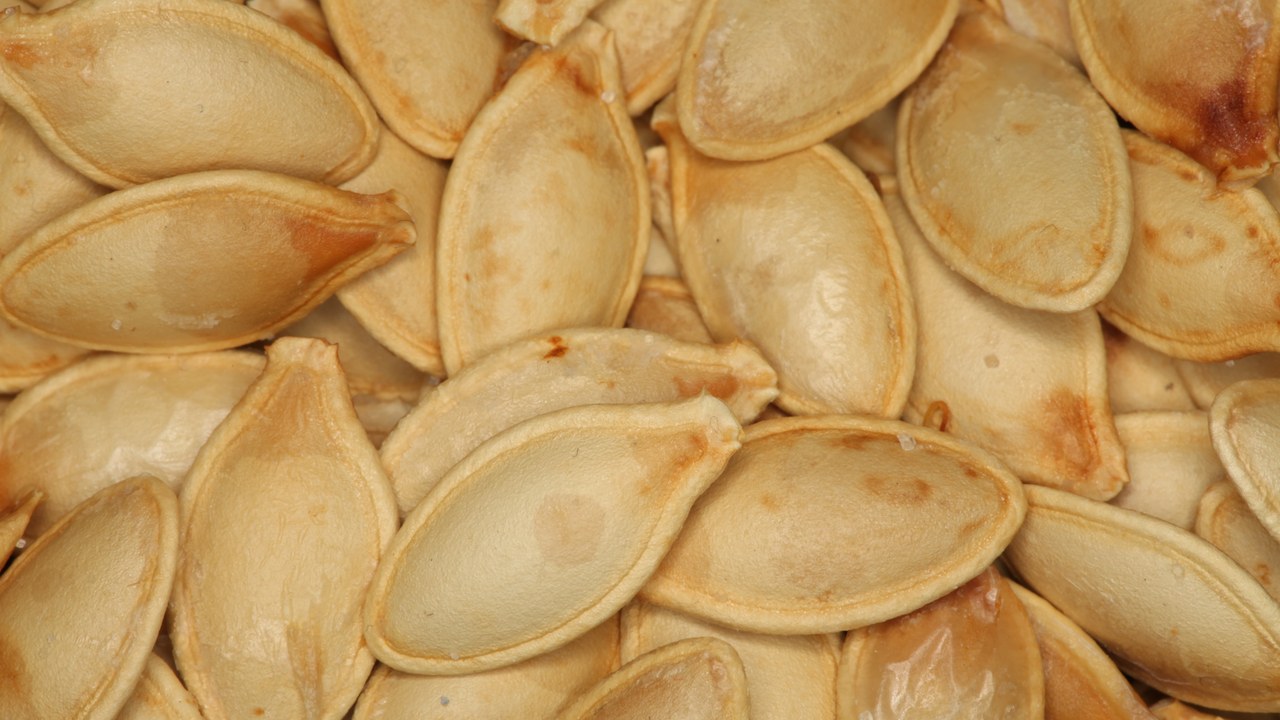
Second, add raw or lightly roasted pumpkin seeds to your snack routine. Consuming roughly 30 grams of plain pumpkin seeds daily delivers not only Phytosterols but also organic Zinc and Magnesium. These minerals bolster cellular energy production and help buffer chronic psychological stress, a major catalyst for cortisol-driven hair shedding.
Third, combine a gentle scalp massage with a few drops of pumpkin seed oil 2 to 3 times a week prior to washing your hair. This practice enhances local microcirculation, delivering essential nutrients directly to the dermal papilla while restoring a healthy lipid barrier to dry, flaky scalps.
Finally, maintain consistency for at least 3 to 6 months. The biological renewal cycle of hair follicles requires time to transition from the resting Telogen phase back into active Anagen growth. Patience combined with targeted nutritional support will help yield naturally denser, stronger hair.
Putting it into practice — safely
What you can do
- Consume 1 to 2 teaspoons of raw cold-pressed pumpkin seed oil mixed into salads or taken directly every morning.
- Eat 30g of raw or lightly toasted pumpkin seeds daily to supply organic Zinc and Magnesium.
- Massage the scalp with a few drops of pumpkin seed oil 2-3 times weekly before washing to stimulate microcirculation.
When to talk to a doctor
Consult a dermatologist if experiencing sudden patchy hair loss, severe scalp inflammation, or accompanying unexplained weight loss.