
Listen to Audio Dispatch Brief
The 60-second read
Evidence level:Human observational dataOur colon is not merely the final digestive tract, but a miniature ecosystem housing trillions of beneficial bacteria working diligently day and night
- The metabolic journey from oats to golden energy
- Molecular mechanisms of cellular protection and chronic inflammation control
- Practical applications and strategies to optimize daily oatmeal
Every morning, the bustling rhythm of life often sweeps us into convenient fast foods lacking fiber, inadvertently leaving our digestive system to fend for itself against immense pressure. Few would suspect that a minor change like adding a few spoonfuls of oats to the daily menu sparks a silent revolution inside our bodies.
Modern science has proven that digestive diseases, especially colorectal cancer, are closely linked to the decline of gut microbiota and the breakdown of mucosal protective barriers. Understanding how soluble fiber and the silent hero named butyrate acid work gives us firm faith in using nutrition as medicine.
Let us explore the poetic molecular mechanism hidden behind the familiar bowl of oats, where longevity health begins with remarkably humble choices.
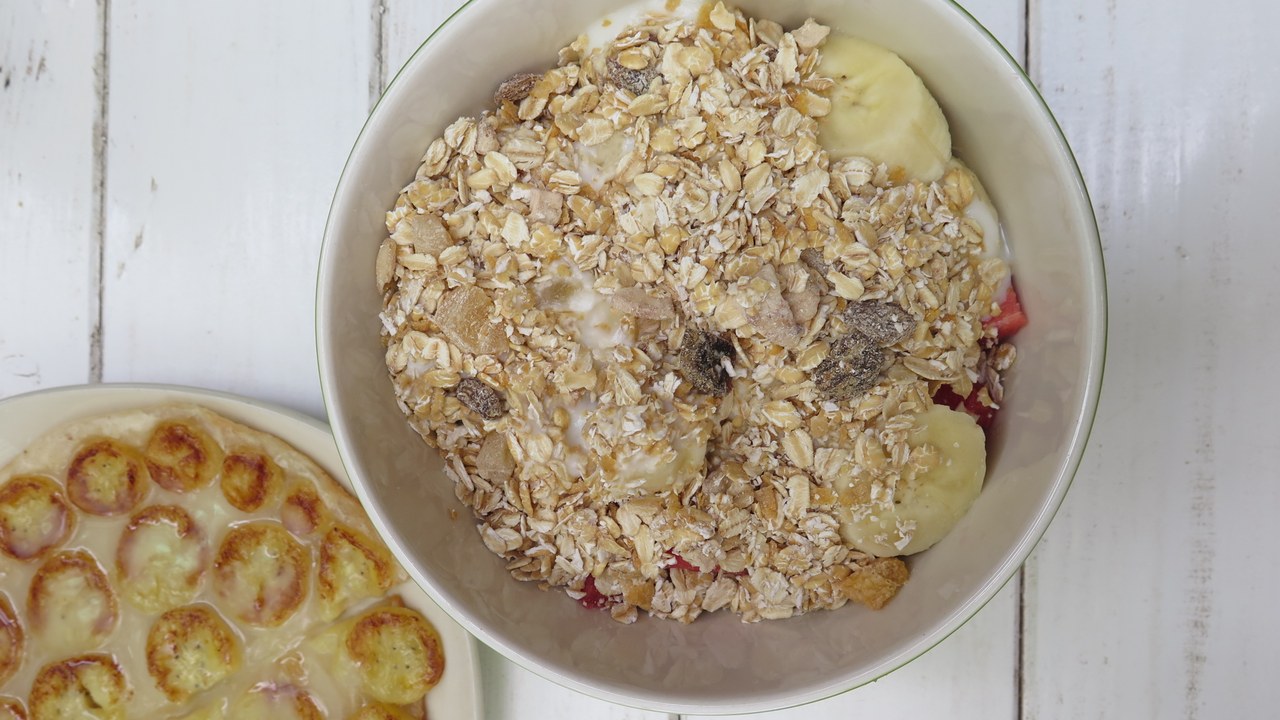
"Imagine the soluble fiber layer from oats as tanker trucks loaded with raw materials arriving at a recycling plant deep within the gut. Here, the hardworking crew of gut microbiota receives the materials and refines them into butyrate acid, likened to a special cement mortar to repair and reinforce the defensive barrier of the colonic wall. Without this mortar source, the wall becomes fragile and cracked, allowing harmful agents to infiltrate and disrupt the cellular order within."
Molecular Pathway Flowchart
Chất xơ hòa tan yến mạch
Lên men bởi vi sinh vật ruột
Sản sinh Axit Butyrate
Nuôi dưỡng tế bào biểu mô đại tràng
Ngăn ngừa biến đổi ác tính & Kháng viêm
1. The metabolic journey from oats to golden energy
When you consume oats, a cereal rich in a special soluble fiber called beta-glucan, digestive enzymes in the stomach and small intestine cannot break their complex structures. Thus, this fiber enters the colon intact, where trillions of bacteria await like a bustling ecological community.
Here, beneficial bacteria perform anaerobic fermentation, breaking chemical bonds to produce short-chain fatty acids, most notably butyrate acid. Butyrate is not merely a byproduct, but the absolute preferred energy source meeting up to 70 percent of the nutritional needs of colonic epithelial cells.
Thanks to this energy source, intestinal cells maintain healthy survival, divide properly in cycles, and avoid falling into gene mutation or loss of control.
2. Molecular mechanisms of cellular protection and chronic inflammation control
Besides serving as fuel, butyrate acts as a histone deacetylase (HDAC) inhibitor, a sophisticated epigenetic mechanism unlocking beneficial genes responsible for DNA repair and cell differentiation control.
When this process runs smoothly, potential cancer cells receive biological suicide signals, known as apoptosis, nipping the formation of malignant tumors in the bud. Furthermore, butyrate stimulates mucosal immune cells to produce anti-inflammatory molecules, soothing chronic inflammatory fires that serve as breeding grounds for cancer cells.
Below is a detailed comparison table contrasting diets deficient in and rich in oat soluble fiber regarding the colonic environment:
| Comparison Criteria | Fiber-Deficient Diet (High refined protein, low plant) | Oat Soluble Fiber-Rich Diet | Biological Significance to the Body |
|---|---|---|---|
| Gut Microbiota | Increases harmful bacteria, reduces acid-synthesizing bacteria | Flourishes Bifidobacteria and Lactobacilli groups | Creates dominance for beneficial bacteria, suppresses pathogens |
| Butyrate Acid Concentration | Very low, below minimum threshold to maintain epithelium | Abundant, meeting 70 percent energy for gut cells | Provides optimal fuel, keeps mucosa robust |
| Barrier Integrity | Weakened, cracked, increased gut permeability (Leaky Gut) | Sturdy, tightly bound via Zona Occludens-1 proteins | Prevents toxins and bacteria from entering bloodstream |
3. Practical applications and strategies to optimize daily oatmeal
To fully harness the cancer-preventive potential of oats, you do not need elaborate menus but just a few minor kitchen adjustments. Prioritize rolled oats over instant powdered oats, as rolled oats retain longer fiber structures, prolonging fermentation time and producing a more sustained butyrate yield throughout the colon.
When preparing, you can soak oats overnight in plant milk or unsweetened yogurt to activate natural enzymes, reducing phytic acid and softening structures for easier nutrient absorption. Alongside oats, incorporate berries like blueberries or chia seeds to enhance polyphenol diversity, creating a wonderful protective synergy for your digestive system.
Turn breakfast into a proactive health-care ritual, where every spoonful of oats is a solid brick building your longevity fortress.
Putting it into practice — safely
What you can do
- Consult your physician or healthcare specialist before making significant dietary or supplementation adjustments.
- Follow guidelines: Practical applications and strategies to optimize daily oatmeal
When to talk to a doctor
If experiencing persistent symptoms, chronic discomfort, or unexplained weight loss.