
Listen to Audio Dispatch Brief
The 60-second read
Evidence level:Human observational dataMany people mistakenly believe that boiled sweet potatoes kept in the fridge are leftovers lacking flavor and nutrition
- The molecular mechanism behind cooled sweet potatoes
- Decoding scientific facts and metabolic protection effects
- Practical application and lifestyle strategies for the family
In the kitchen of every Vietnamese family, boiled sweet potatoes have always been a healthy afternoon snack or a staple replacement for white rice among weight watchers. Our usual habit is to eat them immediately while steaming hot for the best taste.
Little do we know that the moment the potato cools down in the refrigerator is the key unlocking optimal longevity and metabolic exchange. Modern nutritional studies have discovered the miraculous phenomenon of starch retrogradation, transforming a humble dish into a natural biological medicine that regulates blood sugar without any expensive pills.
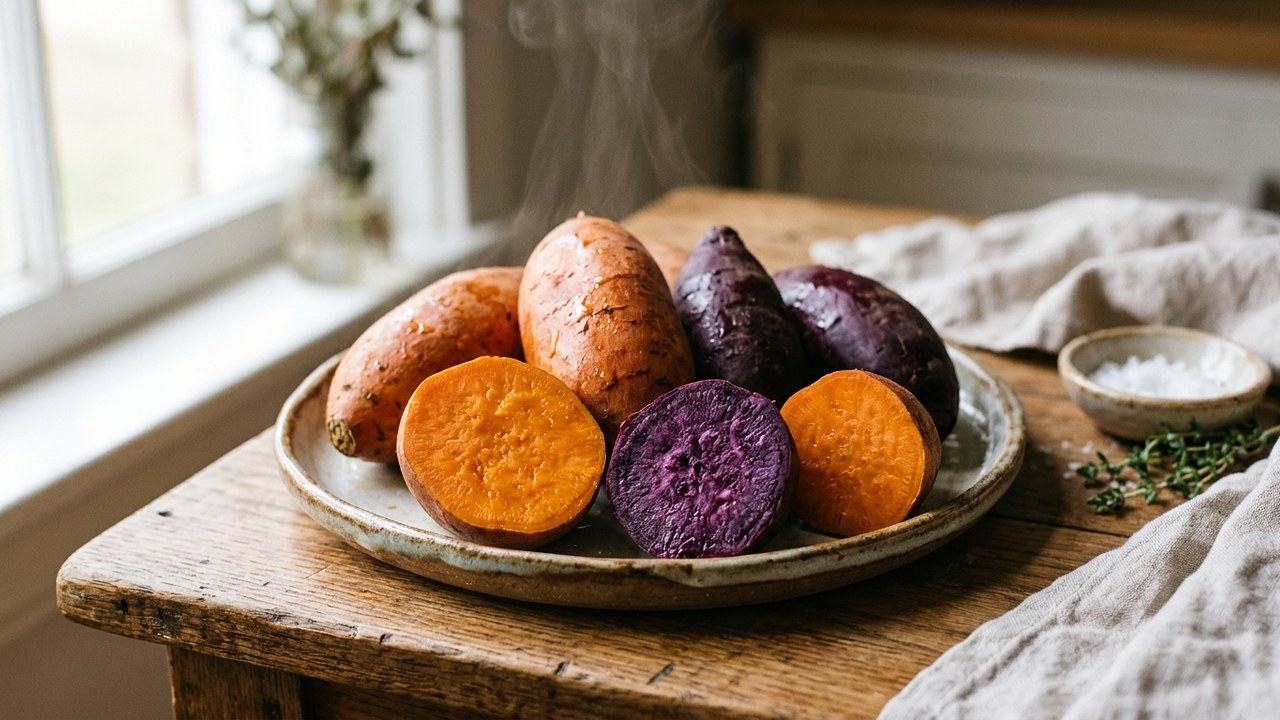
"Imagine that ordinary starch in a hot sweet potato resembles high speed trains packed with glucose passengers, rushing directly into the bloodstream and causing severe traffic jams at the blood sugar toll booths. When the potato is cooled, the starch molecules twist together and bind tightly, forming reinforced concrete structures. Our bodies cannot break down this concrete in the stomach, so the sugar trains never depart. Instead, the concrete structure travels straight down to the colon as a lavish feast for your hardworking beneficial bacteria."
Molecular Pathway Flowchart
Khoai lang luộc chín
Làm lạnh ở 4 độ C trong tủ lạnh
Hình thành Tinh bột kháng loại 3 (RS3)
Chống lại enzyme tiêu hóa ở ruột non
Nuôi dưỡng lợi khuẩn đại tràng sinh ra Axit béo chuỗi ngắn (SCFA)
Giảm đỉnh đường huyết & Kiểm soát mỡ thừa
The molecular mechanism behind cooled sweet potatoes
When a sweet potato is boiled, long chain sugar molecules called amylose and amylopectin expand, absorb water, and become loose under the influence of heat. This state allows digestive enzymes in the small intestine to easily cleave them into simple sugars, rapidly seeping into the blood and causing severe spikes in the glycemic index. However, when you place that potato in the refrigerator compartment at around four degrees Celsius for several hours, a physical process called starch retrogradation begins to unfold.
Amylose chains that were previously stretched out start to twist around themselves, stack tightly, and crystallize into an entirely new and solid structure. This structure is scientifically known as Type 3 Resistant Starch, or RS3 for short. Thanks to this structural transformation, human digestive amylase enzymes are no longer able to recognize and break down its molecular bonds.
The result is that the cooled sweet potato becomes inert against stomach acid and pancreatic secretions in the upper digestive tract. It passes through the small intestine completely intact without raising blood glucose levels, providing a sustained sense of fullness and relieving the pancreas from working overtime whenever we consume hot starches.
Decoding scientific facts and metabolic protection effects
The formation of resistant starch in cooled foods not only helps control blood sugar but also creates a highly beneficial domino effect for the entire gut ecosystem. When this resistant starch travels down to the colon, it becomes the exclusive nourishment source for beneficial bacterial strains such as Bifidobacteria and Lactobacilli. These bacteria ferment the resistant starch to produce short chain fatty acids, notably butyrate.
Butyrate acts like a professional wall painter, repairing and strengthening the intestinal epithelial barrier while preventing toxins from entering the circulatory system and causing low grade chronic inflammation. Low grade chronic inflammation is the root cause of insulin resistance, type two diabetes, and central obesity. The comparative table below clarifies the stark differences between hot and cooled sweet potatoes.
| Physiological metric | Freshly boiled hot sweet potato | Cooled boiled sweet potato (RS3) |
|---|---|---|
| Glycemic index (GI) | High (around 70 to 80) | Low (reduced by 30 to 40 percent) |
| Small intestine digestion rate | Very fast, direct absorption | Slow or non digestible in small intestine |
| Nutritional destination | Absorbed into blood glucose | Feeds beneficial bacteria in colon |
| Metabolic benefit | Prone to temporary blood sugar spikes | Improves insulin sensitivity and fat control |
Practical application and lifestyle strategies for the family
To maximize the benefits of this natural pharmaceutical source while maintaining mealtime enjoyment, you do not need to eat unappealing ice cold potatoes. The secret from nutritional experts is to boil or steam sweet potatoes at the beginning of the week, then store them in airtight containers in the refrigerator for twelve to twenty four hours to allow complete resistant starch crystallization.
Before eating, you can easily reheat the potatoes using a microwave or steam them gently. Interestingly, moderate reheating temperatures do not destroy the resistant starch content already formed in the potatoes, allowing you to enjoy a warm meal while reaping full blood sugar lowering benefits. Combine cooled sweet potatoes with a little olive oil or nuts to make a delicious sweet potato salad for office lunches.
For those with sensitive digestive systems or prone to bloating, start with small portions of about fifty grams per day to give your colonic microbiota time to adapt to this new nutrient source. Avoid storing potatoes in the fridge for too long, which can lead to dry textures or cross contamination from raw foods nearby.
Putting it into practice — safely
What you can do
- Consult your physician or healthcare specialist before making significant dietary or supplementation adjustments.
- Follow guidelines: Practical application and lifestyle strategies for the family
When to talk to a doctor
If experiencing persistent symptoms, chronic discomfort, or unexplained weight loss.