
Listen to Audio Dispatch Brief
The 60-second read
Evidence level:Human observational dataMany people mistakenly believe that simply eating organic vegetables is enough to protect the body against chronic diseases
- Biological mechanism: When the enzyme key meets the right plant precursor
- Decoding scientific truth: Temperature and time determine disease prevention efficacy
- Practical application: Building a smart home anti-cancer menu
Every afternoon after work, we rush to wash vegetables, chop tubers, and drop them straight into boiling water to whip up a quick dinner. Few of us suspect that this seemingly harmless habit inadvertently destroys most of the precious cell-protecting compounds that nature gifts to food.
In the natural world, plants do not produce the pungent smell of garlic or the slight bitterness of broccoli just to annoy us. These are sophisticated chemical armors designed to fight off environmental DNA-damaging agents.
When entering our home kitchens, these armors can be multiplied manifold if we hold the correct activation key, or disappear entirely due to a few impatient minutes by the stove. Understanding the nature of anti-cancer compounds from food is not a distant academic story of international laboratories.
It is the everyday biological art that helps each of us protect our own health and our loved ones right from the daily family meal.
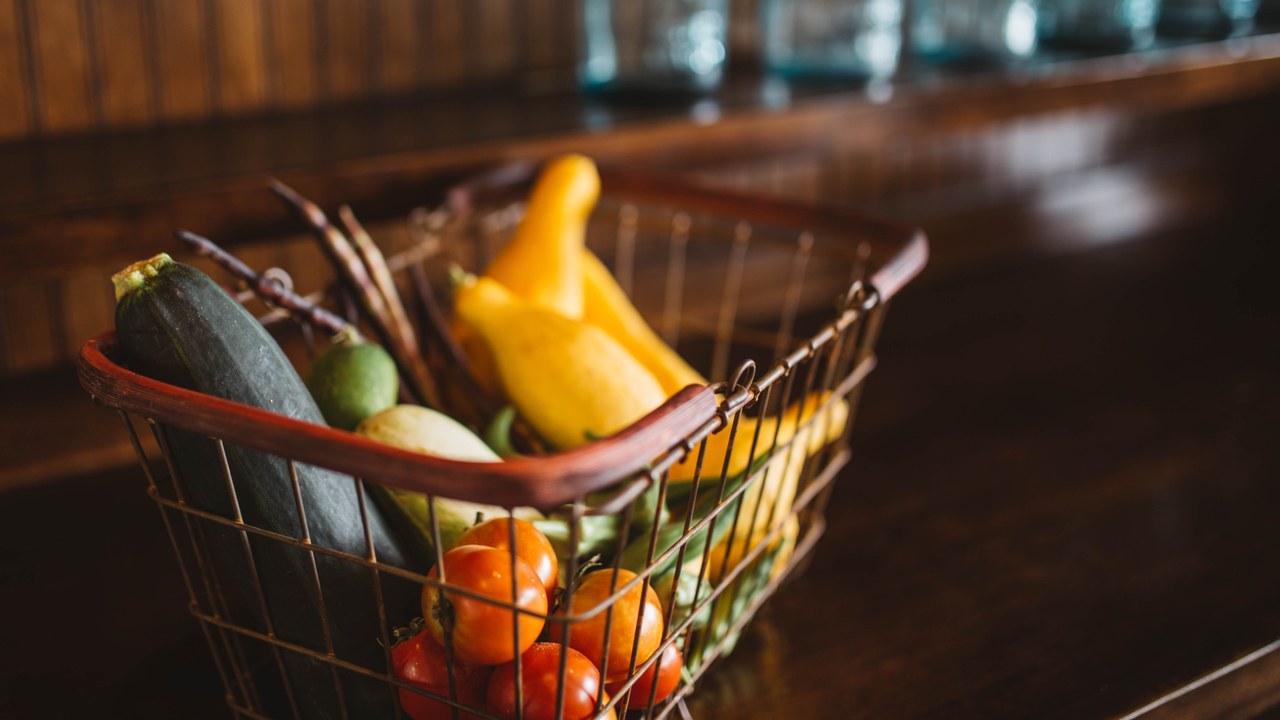
"Imagine the anti-cancer compounds in vegetables as firefighters fast asleep in their station. The natural enzymes inside the plants act as the necessary alarm bell to wake them up. When you finely chop garlic or broccoli and let it rest for a few minutes, you create a fateful encounter between the soldier and the door key. If you throw the vegetables straight into boiling water immediately after cutting, the alarm bell is permanently disabled and the fire brigade never makes it to action."
Molecular Pathway Flowchart
Cắt thái rau củ
Kích hoạt Enzyme Myrosinase/Alliinase
Sinh tổng hợp Sulforaphane/Allicin
Bảo vệ DNA và ức chế tế bào đột biến
1. Biological mechanism: When the enzyme key meets the right plant precursor
To understand how food protects the body against cancer, we need to look deep into plant cell structures. Compounds like sulforaphane in broccoli or allicin in garlic do not exist in a fully active ready-to-use form. Instead, they reside separately as precursors and specialized enzymes, much like two halves of a key kept in different rooms.
When you cut, chew, or finely mince the food, cell walls rupture and these two components finally get the chance to meet. The chemical reaction occurs instantly within seconds, generating bioactive molecules capable of subduing inflammation and sweeping away free radicals that damage DNA.
If you cook the vegetables too quickly before this reaction takes place, high heat permanently denatures the enzyme and destroys its fighting capacity.
2. Decoding scientific truth: Temperature and time determine disease prevention efficacy
Numerous epidemiological and clinical nutrition studies have demonstrated that preparation methods directly impact the bioavailability of anti-cancer compounds. A classic example is tomatoes, where cooking actually enhances lycopene absorption into the body by breaking down rigid cell walls. Conversely, garlic and broccoli are highly sensitive to high heat and require a resting period before cooking. The comparison table below helps you quickly grasp the optimal method for each familiar kitchen food group.
| Food Group | Precursors & Active Compounds | Optimization Method | Common Mistakes to Avoid |
|---|---|---|---|
| Cruciferous (Broccoli, Cabbage) | Glucoraphanin to Sulforaphane | Chop, rest for 40 mins, then light steam under 5 mins | Boiling in plenty of water immediately after cutting |
| Allium (Garlic, Onions) | Alliin to Allicin | Mince, rest for 10 to 15 mins before sautéing | Tossing garlic into hot oil immediately after crushing |
| Tomatoes and Carrots | Lycopene and Beta-Carotene | Lightly cook with a small amount of healthy oil | Eating entirely raw without any fat transport medium |
3. Practical application: Building a smart home anti-cancer menu
Turning your kitchen into a health-protective fortress does not require expensive ingredients or complex five-star restaurant cooking techniques. The secret lies in understanding the biological rhythm of food and practicing patience during the initial prep minutes.
When preparing steamed or stir-fried broccoli, chop the florets into bite-sized pieces and leave them on the cutting board for about forty minutes while you prep other dishes. This time window allows the enzyme army to work at full capacity, maximizing sulforaphane synthesis.
When cooking, prioritize quick steaming or moderate-heat sautéing combined with extra virgin olive oil. For garlic, always mince and wait ten minutes before tossing it into the pan. This small habit shift doubles cell-protective value for the entire family without sacrificing meal flavor.
Putting it into practice — safely
What you can do
- Consult your physician or healthcare specialist before making significant dietary or supplementation adjustments.
- Follow guidelines: Practical application: Building a smart home anti-cancer menu
When to talk to a doctor
If experiencing persistent symptoms, chronic discomfort, or unexplained weight loss.