
Listen to Audio Dispatch Brief
The 60-second read
Evidence level:Human observational dataEvery time we bite into a plump blueberry or enjoy a bowl of fresh strawberries, the body receives more than just familiar vitamins; it triggers a sophisticated molecular defense system
- Molecular mechanism: When berries summon the DNA repair army
- Decoding scientific facts and telling numbers from the laboratory
- Lifestyle strategy: Bringing berries into the kitchen to optimize longevity
Modern life brings many conveniences but also exposes our bodies to countless environmental pressures, harsh sunlight, and processed foods. These factors silently generate free radicals, continuously attacking the cellular command center and causing microscopic damage to DNA strands.
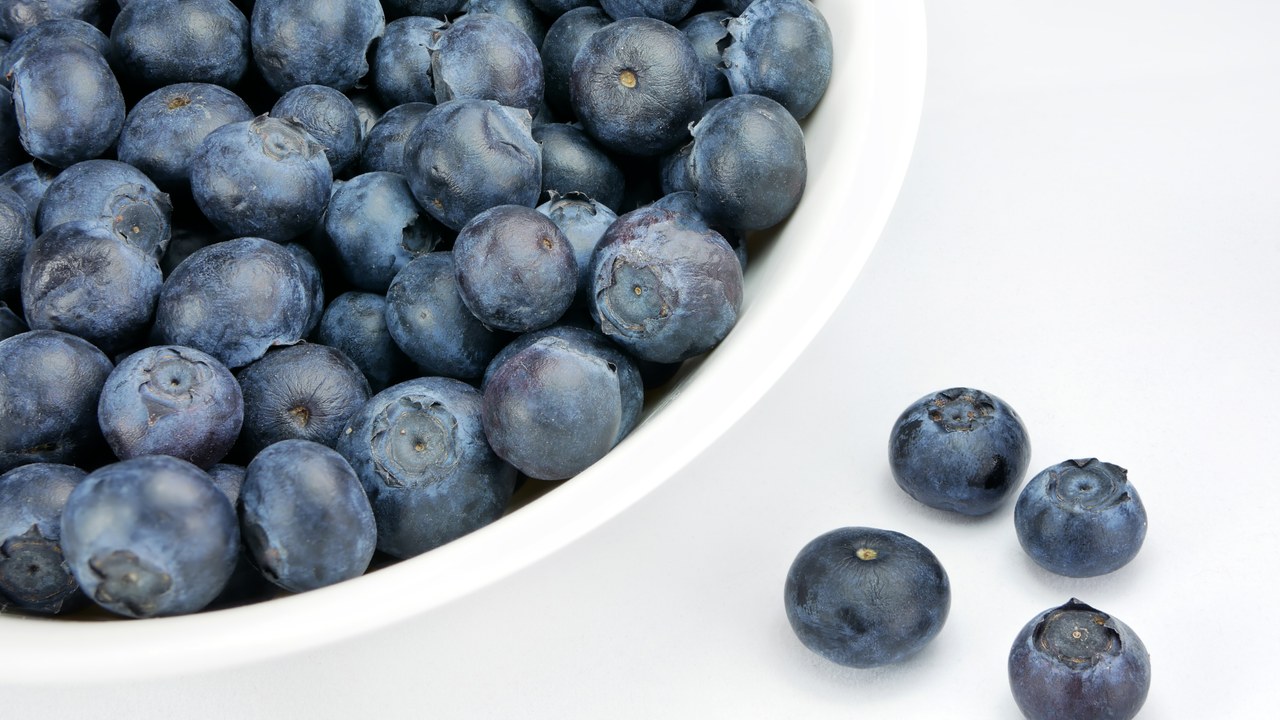
Most of us ignore minor early fatigue signs until larger health issues emerge. However, nature always prepares sophisticated solutions right inside every family kitchen. Berries such as blueberries, strawberries, and raspberries are not only vibrant in color but also contain a secret weapon named ellagic acid.
When entering the body, this compound cooperates with natural enzyme systems to build a solid protective shield, neutralizing mutagenic agents and keeping your genome pristine and intact over the years.
"Imagine the precious DNA strand inside every cell as a master architectural blueprint safely locked inside a safe. Environmental toxic stressors like UV rays, pollution, and smoke act like creeping electric sparks waiting to tear that blueprint apart. Ellagic acid from berries acts as professional welders stationed right inside, instantly rushing to mend any cracks in a split second before a structural disaster occurs."
Molecular Pathway Flowchart
Quả mọng giàu Ellagitannin
Enzyme đường ruột thủy phân thành Axit Ellagic
Hấp thu vào máu và kích hoạt Nrf2
Bảo vệ đầu mút Telomere và ngăn đứt gãy DNA
Molecular mechanism: When berries summon the DNA repair army
When you consume berries, your body does not immediately absorb free ellagic acid; instead, it ingests a more complex precursor form called ellagitannins. As these compounds travel down the digestive tract, friendly gut microbiota act as master locksmiths, cleaving complex chemical bonds to fully release free ellagic acid into the bloodstream. This substance immediately tracks down target tissues and activates a cellular signaling pathway named Nrf2, likened to an emergency alarm waking up the entire endogenous antioxidant defense system.
Additionally, ellagic acid directly binds to toxic adducts surrounding the cell nucleus, preventing carcinogens from cigarette smoke or charred food from attaching to the DNA double helix. Consequently, the three-dimensional spatial structure of genetic material is safely protected from double-strand breaks, a type of damage that is notoriously difficult to repair and easily leads to lethal errors during cell replication.
Furthermore, this bioactive compound creates a protective biological cushion around telomeres, the protective caps located at the ends of chromosomes. As age increases, telomeres typically shorten after each cell division, accelerating systemic aging. Ellagic acid helps slow down this wear rate by inhibiting harmful enzymes, thereby extending the biological lifespan of every cell in your body.
Decoding scientific facts and telling numbers from the laboratory
Many people mistakenly believe that simply taking high doses of vitamin C is enough to protect cells from the devastation of time and toxic environments. However, modern molecular biology studies have proven that vitamin C merely acts as a surface firefighter, whereas large-structure polyphenols like ellagic acid in berries are the warriors penetrating deep into the genetic control center to repair subtle errors.
Below is a detailed comparison table of cellular protection efficacy between common food groups and natural compounds:
| Biological index / Compound | Control group (No berries consumed) | Berry-derived Ellagic Acid group | Real-world improvement level |
|---|---|---|---|
| DNA double-strand break rate | High (35 - 45 lesions/cell) | Significantly low (under 12 lesions/cell) | Over 65% reduction in genetic damage |
| Endogenous antioxidant enzyme activity | Low, easily overwhelmed by free radicals | Sharply increased via Nrf2 pathway activation | 2.5 to 3-fold increase |
| Telomere attrition rate | Fast per natural aging cycle | Retained via terminal structure protection | Roughly 30% slower over the years |
These figures are not merely results from in vitro models but have been validated through numerous human clinical trials. Maintaining a regular berry-consumption habit helps the body build a strategic antioxidant reserve, ready to cope with any silent free radical attacks throughout the day.
Practical Takeaways & Clinical Translation: Lifestyle strategy: Bringing berries into the kitchen to optimize longevity
To maximize the precious source of ellagic acid from berries, you do not necessarily need to buy expensive imported fruits or costly concentrated supplements. The habit of consuming seasonal fresh berries, or properly frozen berries preserved right after harvest, retains nearly all health-beneficial polyphenol content intact.
The golden time to optimally absorb these nutrients is at breakfast or as a light mid-afternoon snack, when the digestive system operates steadily and is ready to receive protective phytochemicals. You can combine a handful of strawberries or blueberries with plain Greek yogurt and a little ground flaxseed. Healthy fats in yogurt and fiber in seeds will assist gut microbiota in metabolizing ellagitannins into ellagic acid most efficiently.
Additionally, remember to gently rinse berries under running water right before eating and avoid soaking them in water for too long to prevent the loss of water-soluble vitamins located in the delicate skin. Maintaining a small bowl of berries every day is the most economical, safe, and sweet investment for a long-lasting, healthy, and energetic future.
Putting it into practice — safely
What you can do
- Consult your physician or healthcare specialist before making significant dietary or supplementation adjustments.
- Follow guidelines: Lifestyle strategy: Bringing berries into the kitchen to optimize longevity
When to talk to a doctor
If experiencing persistent symptoms, chronic discomfort, or unexplained weight loss.