
For generations, the classic Diet-Heart Hypothesis popularized an oversimplified plumbing analogy: Consuming dietary saturated fat and cholesterol raises serum cholesterol; this excess grease settles like scale inside pipes, gradually constricting arterial lumen until a fatal blockage occurs.
Yet one of modern cardiology's most striking epidemiological paradoxes emerged from massive observational cohorts: More than half of patients hospitalized for acute myocardial infarction present with LDL cholesterol levels comfortably within standard normal or even optimal ranges.
If cholesterol alone were the root cause, how could this occur? The answer lies in a decisive biological catalyst: Chronic endothelial vascular inflammation and microvascular injury (Endothelial Dysfunction).
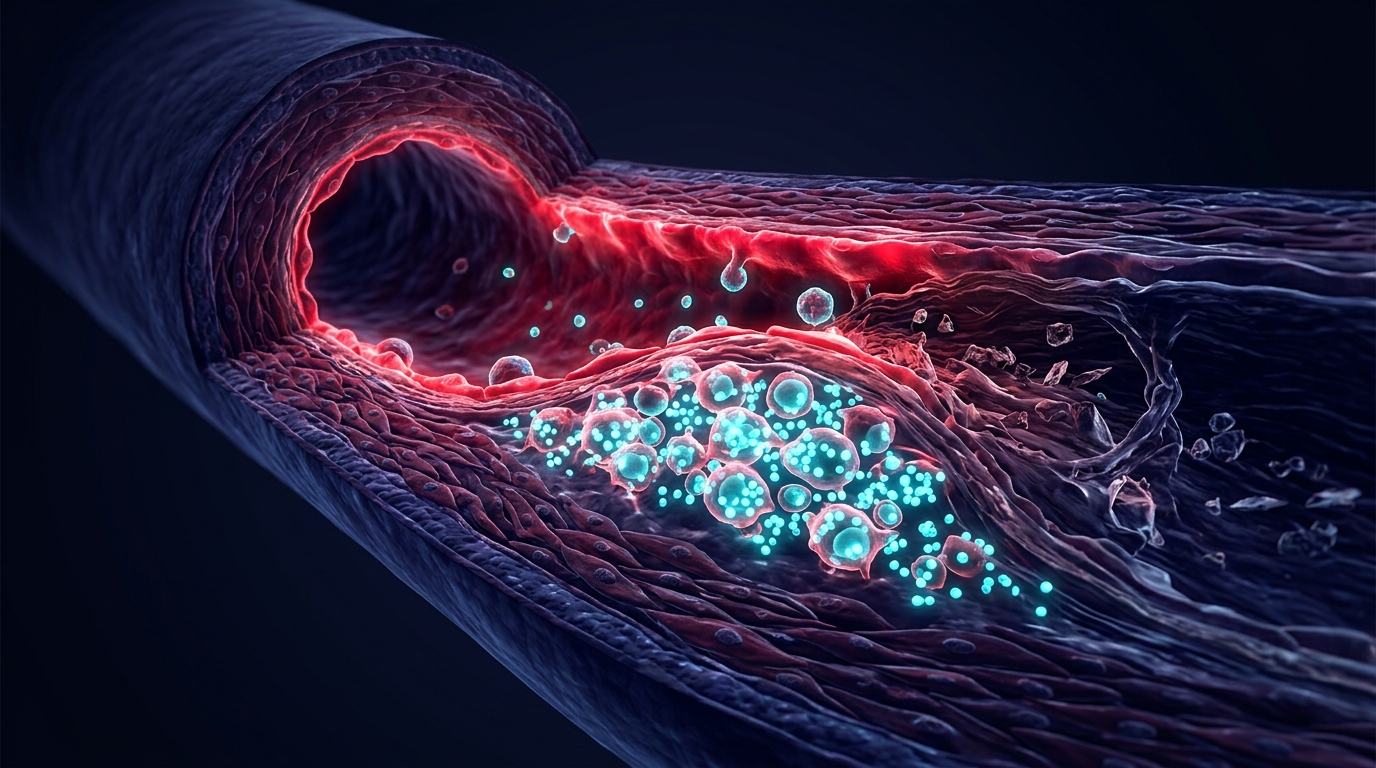
"Blaming cholesterol for arterial blockage is like finding firefighters at the scene of every blaze and concluding that firefighters caused the fire. Cholesterol is an emergency structural patching material dispatched by the liver to repair micro-fissures in damaged arterial walls. Without the initial flame of vascular inflammation, circulating cholesterol particles are merely peaceful vehicles moving smoothly through the bloodstream."
1. Biological Rationale: Cholesterol Is Essential Substrate, Not a Toxin
Human physiology never evolved to manufacture an intrinsic molecule designed to poison itself:
- Cell Membrane Integrity: Every one of the 37 trillion cells in the human body requires free cholesterol to modulate membrane fluidity and maintain structural integrity across lipid bilayers.
- Precursor for Steroid Hormones & Vitamin D: Without cholesterol, the adrenals and gonads cannot synthesize cortisol (anti-stress), aldosterone, testosterone, estradiol, or progesterone. Nor can epidermal cells synthesize cholecalciferol (Vitamin D3) upon UV exposure.
- Bile Acid Synthesis for Digestion: The liver conjugates cholesterol into bile acids to emulsify dietary fats and ensure the absorption of vital fat-soluble vitamins (A, D, E, K).
- Endothelial Repair Delivery Vehicle: When vascular endothelium is abraded by shear stress from hypertension, glycemic spikes, or tobacco smoke, lipoprotein particles transport cholesterol directly to repair injured tissue.
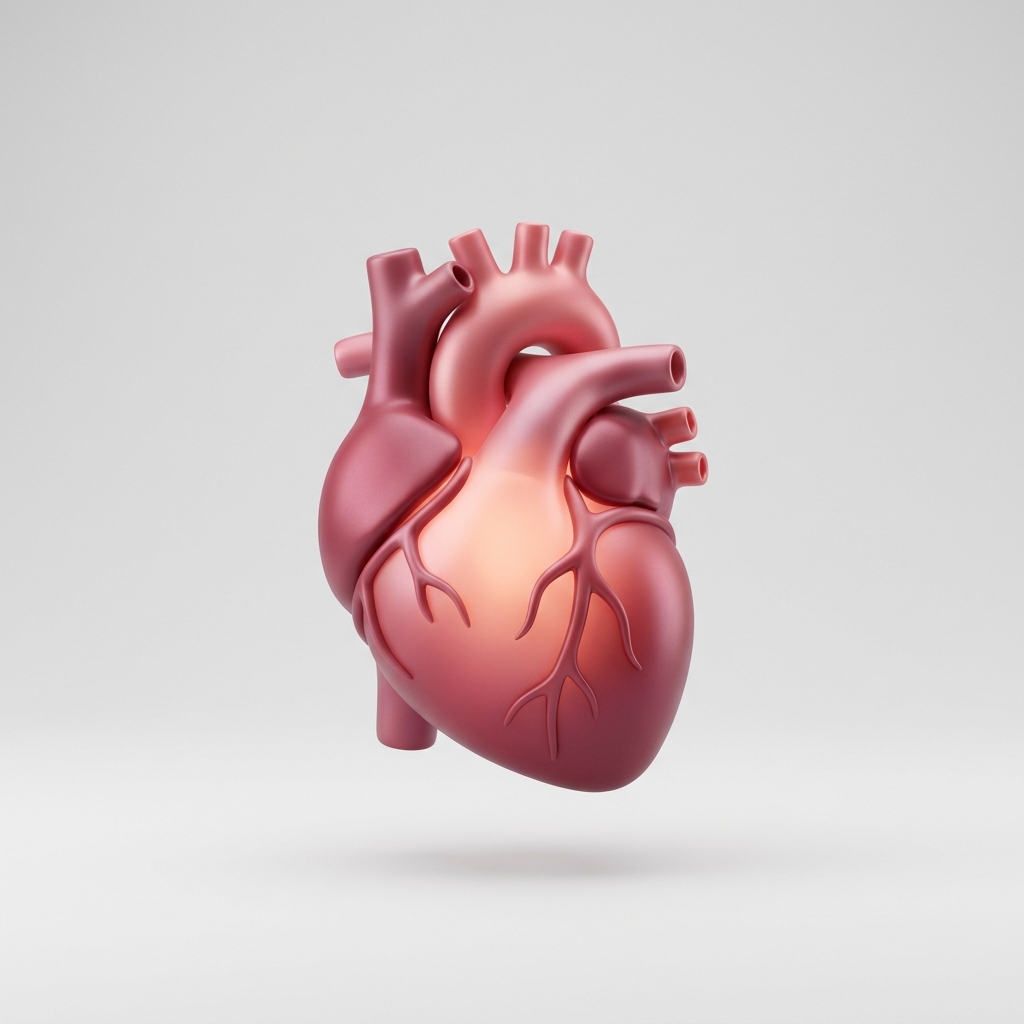
2. Pathophysiological Sequence: From Micro-Injury to Atheromatous Plaque
Atherogenesis does not proceed as a passive accumulation of fat sticking to artery walls. It is a four-stage inflammatory cascade:
Endothelial Abrasion: Hyperglycemia, Shear Stress
Subendothelial Infiltration of Lipoproteins
Oxidative Modification to oxLDL
Macrophage Engulfment & Foam Cell Necrosis
- Endothelial Barrier Disruption: A pristine vascular endothelial monolayer produces nitric oxide (NO) to preserve vasodilation and repel adhesion. When glycemic fluctuations and reactive oxygen species (ROS) damage this lining, adhesion molecules (VCAM-1, ICAM-1) become exposed.
- Subendothelial Entrapment: Through compromised endothelial junctions, small atherogenic lipoproteins (sdLDL) penetrate into the subendothelial space (the intima) and become tethered by extracellular matrix proteoglycans.
- Lipid Peroxidation (oxLDL Formation): Deprived of endogenous antioxidants, the polyunsaturated lipid shell of trapped LDL undergoes oxidation, converting harmless LDL into cytotoxic oxLDL. The immune system no longer recognizes the particle as host nutrient; it flags it as an alien invader.
- Foam Cell Genesis & Necrotic Core Formation: Circulating monocytes migrate into the subendothelial space, differentiate into macrophages, and greedily engulf oxLDL particles. Swollen with oxidized lipid droplets, macrophages transform into foam cells. Their eventual necrotic death deposits a destabilizing lipid core, initiating the atherosclerotic plaque.
3. Comparative Framework: Plumbing Mechanics vs Biological Vascular Inflammation
| Dimension | The Outdated Plumbing Model (Pure Cholesterol) | The Contemporary Immunometabolic Model (Endothelial Inflammation) |
|---|---|---|
| Pathological Basis | Passive grease accumulation from elevated blood cholesterol | Active chronic inflammatory disease of the vascular wall |
| Primary Trigger | Total circulating LDL-C concentration | Endothelial micro-injury, oxidative stress, and insulin resistance |
| Decisive Biomarkers | Isolated total LDL-C | High-sensitivity CRP (hs-CRP), Apolipoprotein B, oxLDL, and HbA1c |
| Therapeutic Target | Driving LDL-C down at any cost | Quenching vascular inflammation, restoring nitric oxide, and stabilizing glycemia |
4. Practical Protocols & Clinical Action Plan for Endothelial Protection
Protocol 1: Extinguishing Systemic Inflammation via Antioxidant Support
- Dietary Polyphenols: Incorporate extra virgin cold-pressed olive oil (high in oleocanthal), dark berries, green tea polyphenols (EGCG), and sulforaphane to maintain endogenous glutathione and protect native LDL particles from oxidative conversion into cytotoxic oxLDL.
- Target Biomarkers: Monitor high-sensitivity C-reactive protein (hs-CRP, optimal < 0.8 mg/L) alongside ApoB rather than relying on total cholesterol alone.
Protocol 2: Restoring Endothelial Nitric Oxide (NO) Synthesis
- Dietary Inorganic Nitrates: Consume leafy greens (arugula, spinach) and dietary beetroot to fuel the enterosalivary nitrate-nitrite-NO pathway, keeping arterial tone relaxed.
- Nasal Breathing: Practice diaphragmatic nasal breathing during rest and zone 2 aerobic exercise to deliver endogenous paranasal nitric oxide directly to the pulmonary and systemic circulation.
Protocol 3: Eliminating Glycemic Spikes (Glycation Defense)
- Meal Sequencing: Consume dietary fiber and proteins prior to complex carbohydrates. Spikes in postprandial glucose foster advanced glycation end-products (AGEs), creating structural micro-tears in the delicate glycocalyx lining.
Clinical Safety Caveats:
- Patients diagnosed with familial hypercholesterolemia, advanced coronary artery calcium (CAC > 100), or established carotid plaques must never abruptly discontinue prescribed lipid-lowering therapies (such as statins or PCSK9 inhibitors) without cardiology consultation.
- Cardiovascular prevention requires dual vigilance: managing atherogenic particle number (ApoB) while simultaneously extinguishing systemic endothelial inflammation.