
Introduction: The "Panacea" Claim vs the Pharmacokinetic Hurdle
Across the clinical wellness and nutraceutical landscape, one marketing claim appears ubiquitously: "Black pepper extract (piperine) enhances curcumin bioavailability by up to 2000% (a 20-fold increase)".
This 20-fold elevation is clinically confirmed in controlled human pharmacokinetic trials. However, popular understanding of the underlying biology remains fundamentally skewed:
- Most consumers believe black pepper somehow opens intestinal pores, allowing curcumin molecules to passively flood systemic circulation.
- The pharmacological reality: Piperine does not act as an absorption enhancer in the gut; rather, it functions as a "metabolic brake" temporarily suppressing hepatic first-pass clearance!
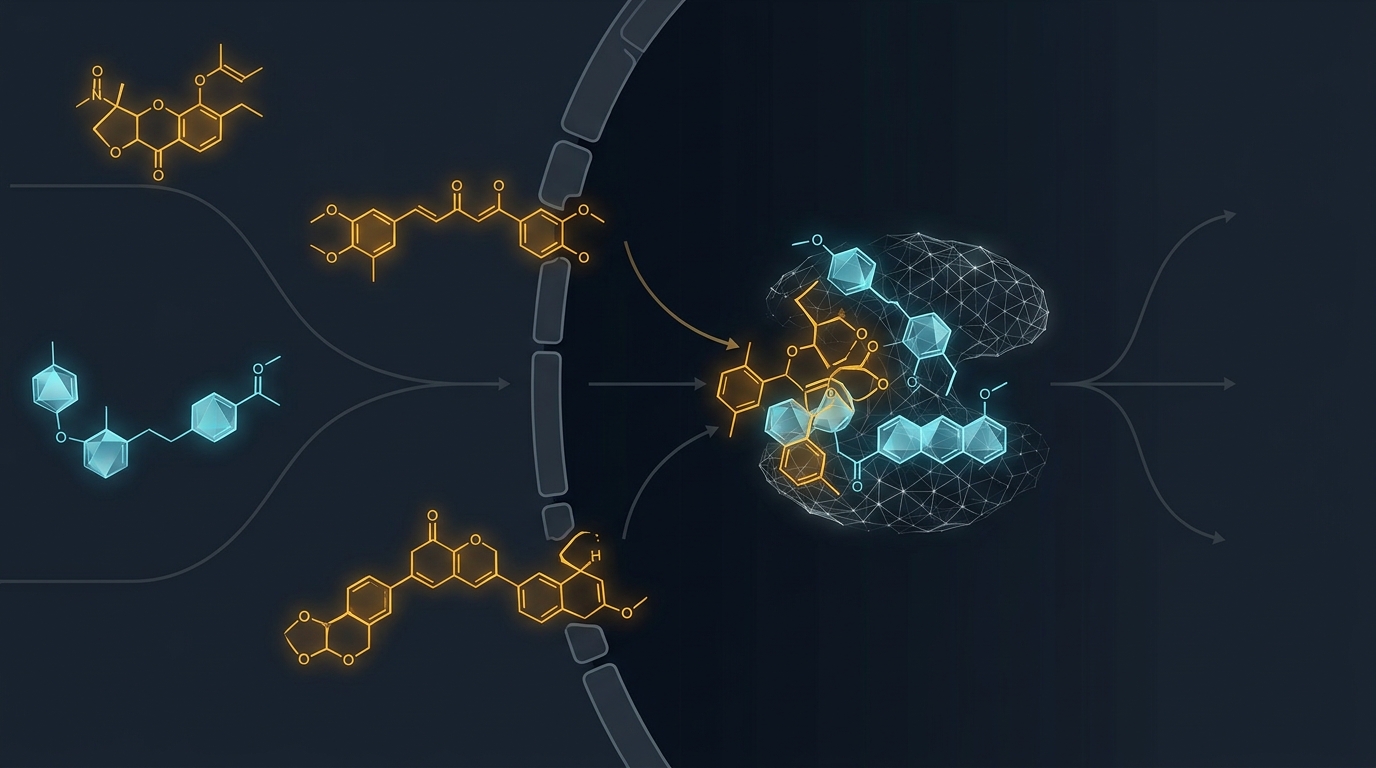
"Our liver operates like an ultra-vigilant customs checkpoint at an international port. The instant foreign plant polyphenols like curcumin arrive via the portal vein, they are stamped as metabolic waste for rapid expulsion. Piperine from black pepper is not a key opening intestinal doors; it is a temporary sedative distracting customs inspectors, allowing intact curcumin to slip into systemic circulation."
1. What is Bioavailability in Clinical Practice?
Consider ingesting a standard 1,000 mg capsule of unformulated curcumin.
That 1,000 mg must survive a perilous pharmacological gauntlet:
- Dissolution in gastric and intestinal fluids.
- Passive diffusion across the enterocyte apical membrane in the small intestine.
- Transit through the portal venous system directly to the body's primary detoxification center: The Liver.
- Evasion of hepatic phase II metabolic enzymes to reach systemic arterial blood nourishing inflamed joints and peripheral tissues.
Bioavailability (F) represents the percentage of an administered dose that reaches systemic circulation intact. For native curcumin, oral bioavailability measures less than 1%, meaning virtually all ingested polyphenols are eliminated before reaching target tissues.
2. Hepatic Defense: Phase II Glucuronidation
The mammalian liver treats xenobiotic polyphenols with immediate suspicion, mobilizing rapid clearance cascades to maintain homeostasis.
Within hepatocytes, the key enzyme family UGT1A1 (UDP-glucuronosyltransferase) functions as an automated molecular tagging machine:
- Encountering lipophilic curcumin, UGT1A1 conjugates a glucuronic acid moiety to the phenolic hydroxyl group.
- This glucuronidation renders curcumin water-soluble and biologically inert, facilitating rapid renal filtration and biliary excretion.
- Result: Free, active curcumin plasma concentrations plummet rapidly within 1 to 2 hours post-ingestion.
3. The Pharmacological Mechanism of Piperine
Black pepper contains the pungent alkaloid piperine. When co-administered with curcumin, piperine acts as a potent reversible inhibitor of both UGT1A1 and cytochrome P450 CYP3A4:
"Piperine temporarily jams the gears of the hepatic labeling machine. While the tagging mechanism is paused, free bioactive curcumin circulates unobstructed throughout the bloodstream to exert systemic anti-inflammatory actions."
Curcumin Ingested Alone
Rapid UGT1A1 Glucuronidation
99% Excreted via Bile & Urine
Co-administered Piperine
Reversible UGT1A1 & CYP3A4 Brake
Free Plasma Curcumin Elevated 2000%
Through this targeted pharmacokinetic inhibition:
- The metabolic clearance of curcumin slows 4-fold (elimination half-life extends from 5.4 hours to over 21 hours).
- Fractional intestinal absorption rises from 1.1% to 5.5%.
- The total Area Under the Curve (AUC) surges by exactly 20-fold (2000%) with merely 20 mg of co-administered piperine.
| Pharmacokinetic Parameter | Native Curcumin Alone | Co-administered Curcumin + 20 mg Piperine | Clinical Relevance |
|---|---|---|---|
| Peak Serum Concentration (Cmax) | 0.006 mcg/mL (Sub-therapeutic) | 0.18 mcg/mL (30-fold surge) | Reaches therapeutic threshold for NF-kB suppression |
| Time to Peak (Tmax) | 1.0 hour | 0.8 hour | Rapid systemic delivery without premature degradation |
| Elimination Half-life (t1/2) | 5.4 hours | 21.6 hours (4-fold prolongation) | Maintains sustained biological anti-inflammatory pressure |
| Area Under the Curve (AUC) | Baseline (100%) | 2000% (20-fold expansion) | Dramatically maximizes cellular availability per oral dose |
4. Practical Protocols, Clinical Applications & Drug Interaction Precautions
Translating this pharmacokinetic breakthrough into safe, daily practice requires deliberate protocol design:
Protocol 1: Optimal Bioavailability Stacking
- Lipid Carrier Requirement: Curcumin remains highly lipophilic. Always consume curcumin alongside healthy dietary lipids (virgin olive oil, avocado, or omega-3 fats) to stimulate endogenous bile secretion and gallbladder contraction, forming mixed micelles for enterocyte uptake.
- The Piperine Dosage: Human clinical trials by Shoba et al. demonstrated that 20 mg of piperine per 2,000 mg of standardized curcuminoids is the exact ratio required to achieve the 20-fold systemic elevation.
Protocol 2: Alternative Delivery Architectures
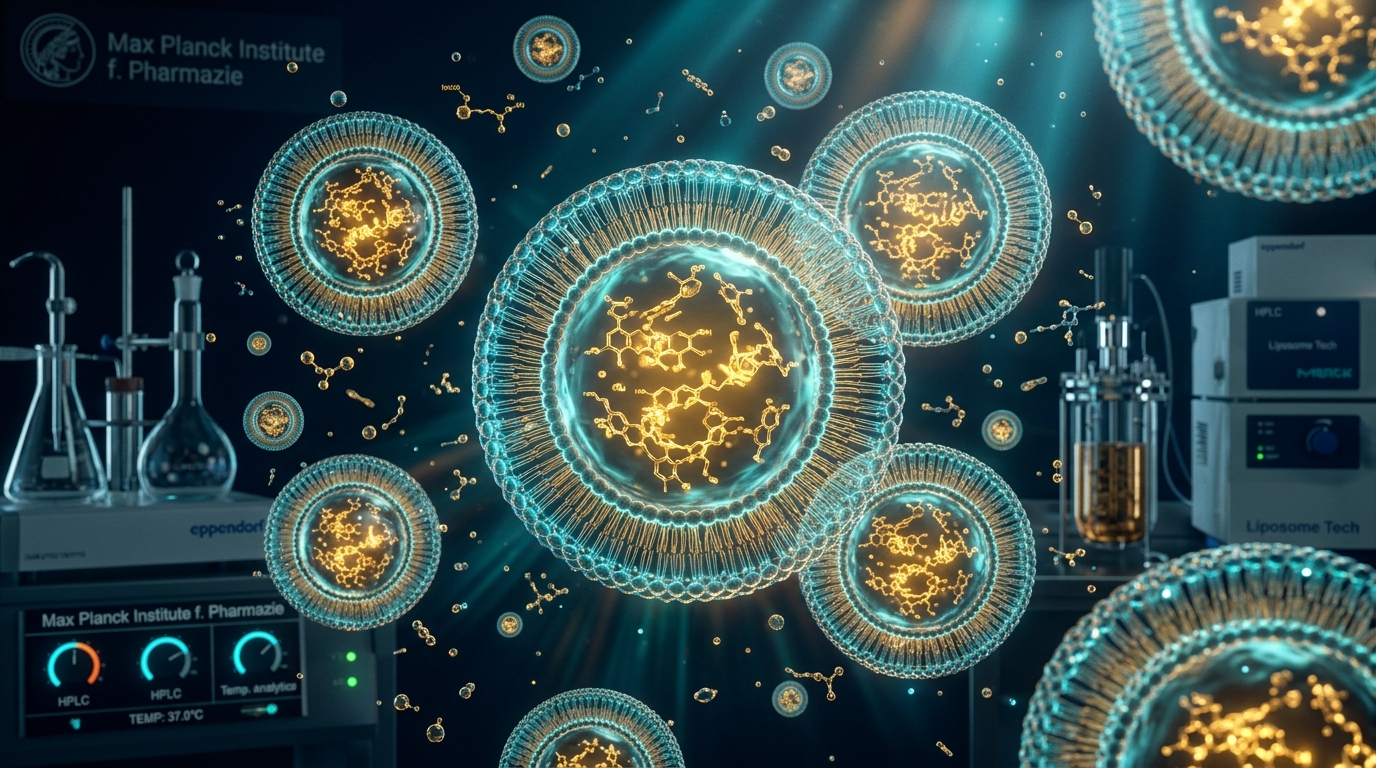
- Phytosomal & Liposomal Formulations: For individuals with sensitive gastric mucosa where piperine causes irritation, phytosomes (complexing curcumin with phosphatidylcholine) or nano-micellar encapsulation bypass hepatic glucuronidation clearance without requiring enzyme inhibition.
Critical Safety Caveats & Drug Interactions:
- Cytochrome P450 CYP3A4 Inhibition: Because piperine temporarily slows hepatic clearance enzymes, it can unpredictably elevate circulating plasma levels of prescription pharmaceuticals, including statins (atorvastatin), calcium channel blockers (amlodipine), and oral anticoagulants (warfarin).
- Timing Separation: If taking prescription maintenance medications, separate the administration of piperine-potentiated botanical formulations by at least 3 to 4 hours, or consult your attending clinical pharmacologist.