
Listen to Audio Dispatch Brief
The 60-second read
Evidence level:Human trials (RCT)Liquid fructose in boba tea accelerates liver fat accumulation because it floods the liver directly and bypasses metabolic rate-limiting controls.
- Liquid fructose bypasses the hepatic PFK gatekeeper, driving de novo lipogenesis significantly more than glucose.
- 100% of ingested fructose is routed to the liver, causing portal vein overload and elevated systemic uric acid.
- Consuming whole fruit is far safer than drinking fruit juice or boba tea due to the protective matrix of natural dietary fiber.
Minh, a 28-year-old software engineer, took pride in his clean eating habits: zero pork fat, minimal fried foods, and light daily walking. Yet, during his annual physical check-up, an ultrasound revealed stage 2 metabolic dysfunction-associated steatotic liver disease (MASLD).
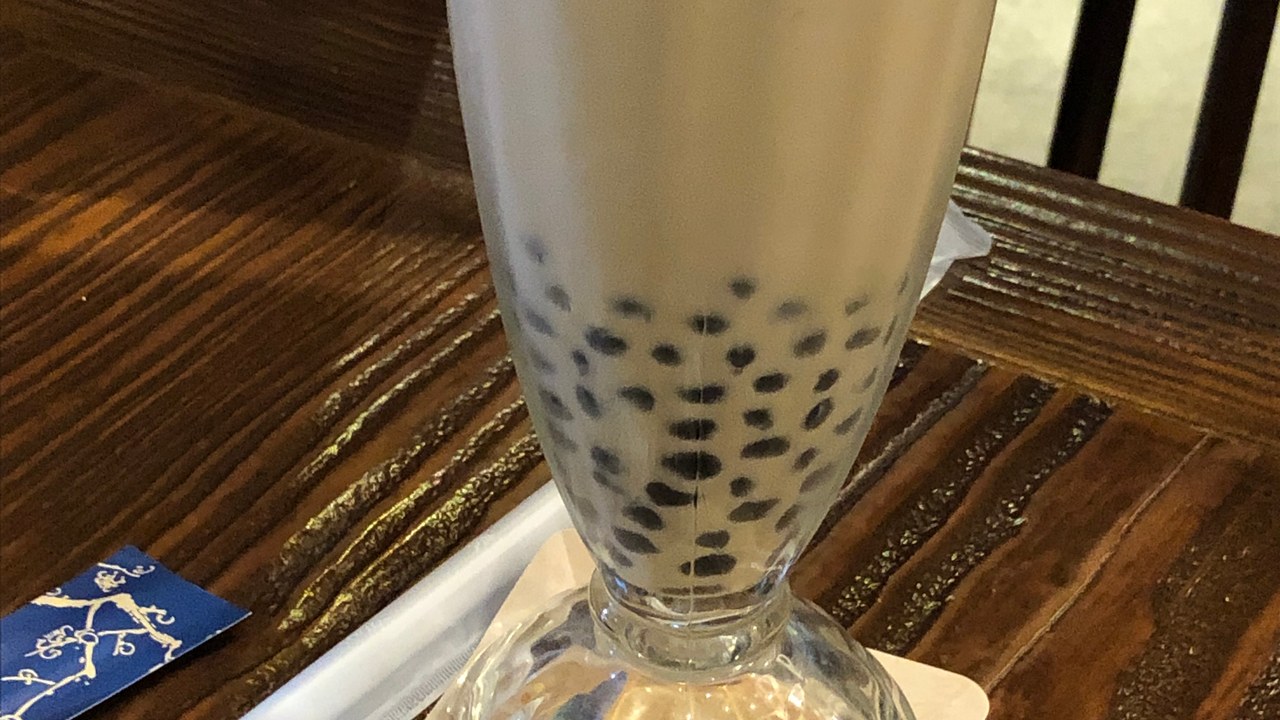
Upon reviewing his daily routine, the physician pinpointed the hidden culprit: to cope with afternoon stress, Minh consumed a large cup of brown sugar boba tea or canned juice daily. Minh's case is far from unique.
Millions falsely believe that dietary animal fat is the sole driver of liver steatosis, unaware that chilled, sweet beverages offer the fastest shortcut to hepatic lipid accumulation.
"Think of your liver as a central food processing facility equipped with a strict security gate. When glucose or dietary fat arrives, the guard (the PFK enzyme) checks if the body actually needs energy before letting them pass. If energy stores are full, the gate closes. However, liquid fructose holds an emergency pass: it bypasses security checks entirely, flooding the liver cells and forcing the factory to rapidly package all surplus sugar into lipid storage crates directly inside the liver."
Molecular Pathway Flowchart
Uống trà sữa / Nước ngọt chứa Fructose lỏng
Hấp thu siêu tốc qua Tĩnh mạch cửa
Bỏ qua điểm kiểm soát Enzyme PFK
Tích tụ Acetyl-CoA tại Tế bào gan
Kích hoạt Tổng hợp mỡ mới De Novo Lipogenesis
Gan nhiễm mỡ MASLD & Tăng Uric máu
Biological Mechanism: Fructose's VIP Pass in the Liver
To understand why liquid fructose in boba tea harms the liver so rapidly, we must examine its unique metabolic pathway. In the human body, glucose from rice or bread is metabolized under the strict regulation of the enzyme phosphofructokinase (PFK). PFK acts as an intelligent control valve: when liver cells have sufficient energy in the form of ATP, PFK closes the gate, preventing further glucose breakdown into fat.
In stark contrast, fructose completely bypasses the PFK gatekeeper. When you drink a cup of sweetened boba tea, hepatic fructokinase metabolizes fructose without limit. This unrestrained flow rapidly floods the cell with acetyl-CoA. When acetyl-CoA overflows inside hepatocytes, the liver has no choice but to activate de novo lipogenesis (DNL), turning excess carbon skeletons directly into fat.
The liquid format amplifies this damage. Void of dietary fiber or intact food matrices, liquid fructose rushes straight into the portal vein connecting the gut to the liver at an overwhelming rate. The liver factory enters a state of severe metabolic overload within just 30 minutes of ingestion.
Deciphering Scientific Truth: Liquid Fructose vs Saturated Fats
Many people compare eating pork fat with drinking sweet sodas, assuming animal fat is inherently more dangerous for liver health. However, modern clinical studies demonstrate the opposite regarding hepatic steatosis. Saturated fats require emulsification by bile, digestion by pancreatic lipases, and lymphatic transport via chylomicrons. This process is slow, distributing lipids to peripheral tissues (muscles, subcutaneous adipose) before reaching the liver.
Conversely, nearly 100% of ingested fructose must be processed exclusively by the liver. When fructose intake exceeds processing capacity, it not only drives triglyceride synthesis but also generates uric acid as a metabolic byproduct, raising risks for gout and vascular inflammation. The table below outlines key metabolic differences:
| Metabolic Parameter | Glucose (Rice, Bread) | Saturated Fat (Lard) | Liquid Fructose (Boba Tea) |
|---|---|---|---|
| Primary Organ Site | Whole body (Muscle, Brain, Liver) | Adipose, Muscle, Liver | Exclusively inside the Liver |
| PFK Control Gate | Yes (Auto-stops when energy full) | Not applicable | Completely bypassed |
| De Novo Lipogenesis Rate | Very low (only under massive excess) | Low (stored via chylomicrons) | Extremely high and rapid |
| Systemic Consequences | Elevated blood glucose / Insulin | Increased blood chylomicrons | Hepatic steatosis, Uric acid, Insulin resistance |
Furthermore, combining liquid fructose with dietary fats (such as creamer or milk foam in boba tea) creates a synergistic metabolic burden, doubling hepatic lipid accumulation compared to consuming either nutrient alone.
Practical Applications & Clinical Advice from Dr. Chien
Protecting your liver does not require eliminating all culinary pleasures, but it does demand intelligent metabolic strategies. Here are actionable recommendations you can implement starting today:
-
Shift to Whole Food Sources: Choose whole fresh fruits over fruit juices or sweetened teas. Natural dietary fiber slows fructose absorption into the portal vein, allowing liver enzymes to process sugars smoothly without triggering fat synthesis.
-
Active Sweetness Reduction: When ordering boba tea, opt for 0% or a maximum of 30% added sugar. Avoid high-fructose corn syrup (HFCS) and prefer unsweetened green tea rich in EGCG to enhance insulin sensitivity.
-
Strategic Post-Drink Movement: If you consume a sugary beverage, engage in 15-20 minutes of brisk walking shortly after. Muscle contraction utilizes circulating carbohydrates, relieving hepatic metabolic strain.
-
Incorporate Hepatoprotective Bioactives: Natural compounds such as Silymarin (from Milk Thistle), Curcumin (from Turmeric), and EGCG (from Green Tea) have been shown to mitigate hepatocyte inflammation and support healthy lipid clearance.
Putting it into practice — safely
What you can do
- Specify 0% to 30% sweetness when ordering beverages and avoid high-fructose corn syrup syrups.
- Take a 15-20 minute brisk walk immediately after consuming any sweet drink to burn off circulating sugars.
- Consume whole fresh fruit instead of fruit juices or smoothies to keep fiber intake intact.
When to talk to a doctor
Consult a gastroenterologist or endocrinologist if ultrasound shows hepatic steatosis or if ALT/AST liver enzymes are elevated.