
Listen to Audio Dispatch Brief
The 60-second read
Evidence level:Human observational dataWhen facing a cancer diagnosis, many families hastily eliminate red meat, sugar, and carbohydrates in hopes of starving the tumor
- Biological mechanism: Why tumors do not starve when you fast
- Decoding scientific facts and clinical nutrition comparison table
- Life strategies and optimization of preventive and supportive menus
In my clinical practice, the most frequent question from families caring for cancer patients revolves around daily meal planning. The overwhelming fear is that eating a nourishing diet will inadvertently accelerate malignant cell growth. Driven by this fear, many patients are subjected to meager meals consisting only of plain rice and soy sauce.
This silent sacrifice stems from deep affection yet relies on a disastrous biological misunderstanding. When the body lacks adequate nutrients, the tumor with its frightening metabolic flexibility will simply harvest raw materials from the body's own vital organs.
Consequently, the patient suffers severe exhaustion from acute muscle wasting long before overcoming the disease itself.
"Imagine a tumor as a cunning bank robber who constantly hijacks high-energy nutrient packages to fuel its expansion plot. When we choose to cut off all food through starvation or extreme deprivation, our house is not rid of the intruder; instead, our sturdy defensive walls represented by muscle tissue are torn down to provide temporary survival materials. Therefore, the art of nutrition is not to starve the patient, but to blockade the tumor's private supply routes while continuously pumping high-quality fuel to protect the immune soldiers."
Molecular Pathway Flowchart
Kiêng khem cực đoan
Thiếu hụt axit amin thiết yếu
Phân giải protein cơ bắp (Teo cơ)
Suy sụp hệ miễn dịch và Giảm đáp ứng điều trị
Biological mechanism: Why tumors do not starve when you fast
Cancer cells are entities with remarkably flexible metabolic reprogramming, akin to tireless energy consumption machines. When we fast or strictly avoid proteins and carbohydrates, the body triggers muscle proteolysis to convert amino acids into glucose for vital organs.
The tumor can readily exploit these alternative raw materials to survive and proliferate. Fasting does not starve the tumor; instead, it exhausts your body long before the cancer cells are affected.
Cellular metabolism studies demonstrate that maintaining a steady supply of nutrients is the critical key to sustaining patient stamina throughout harsh treatment regimens.
Decoding scientific facts and clinical nutrition comparison table
Many people mistakenly believe that all foods stimulate cancer growth equally. In reality, natural phytochemicals and high-quality protein sources act as protective shields for healthy cells while weakening malignant progression. Below is a detailed comparison table contrasting flawed dietary restriction with modern medical nutrition therapy aimed at preserving lean muscle mass.
| Physiological / Nutritional Metric | Traditional Dietary Restriction | Medical Nutrition Therapy |
|---|---|---|
| Protein Supply Source | Eliminating red meat and eggs entirely | Providing digestible protein from fish, poultry, and organic soy |
| Blood Glucose Management | Strictly avoiding all carbohydrates, causing severe wasting | Prioritizing complex carbohydrates from whole grains |
| Lean Muscle Mass | Drastically declining, leading to cachexia syndrome | Maintained and preserved via adequate amino acids and gentle exercise |
| Treatment Response (Chemo/Radiation) | Poor, due to inability to withstand toxicity | Improved, minimizing side effects via robust immune defenses |
Practical Takeaways & Clinical Translation: Life strategies and optimization of preventive and supportive menus
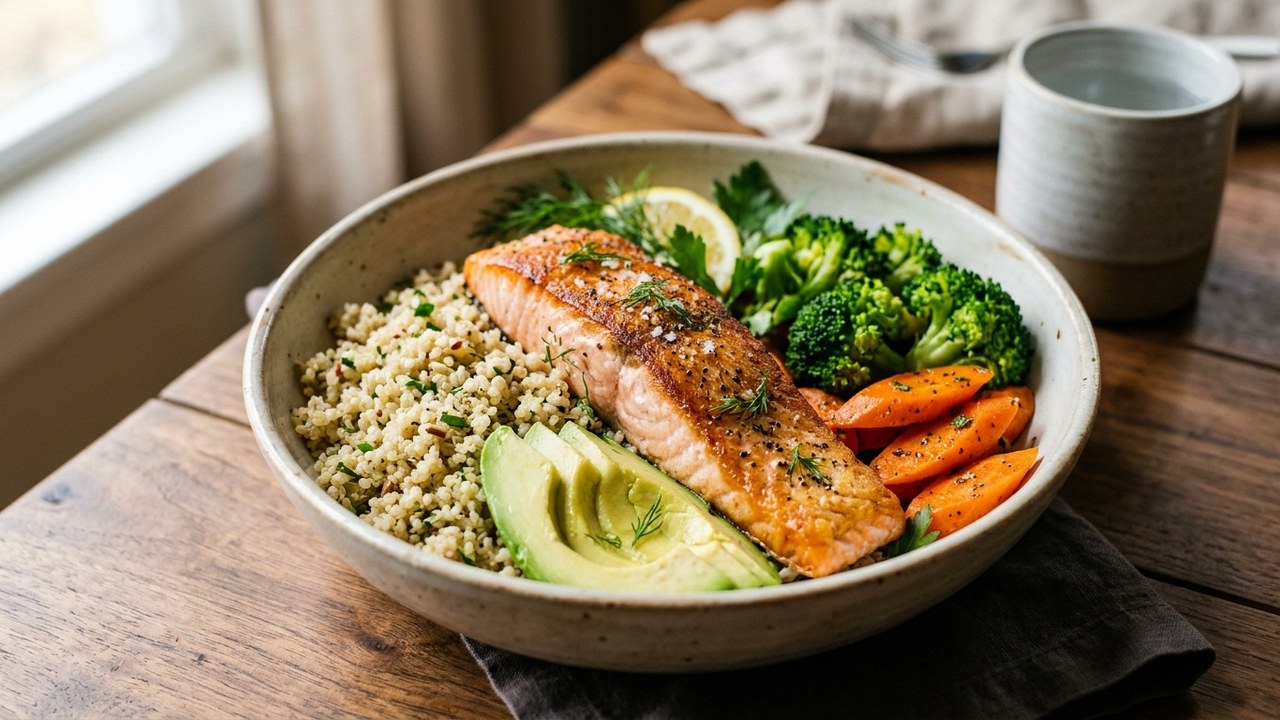
To build a robust dietary foundation for patients or early cancer prevention, we must apply practical strategies right in our home kitchens. Prioritize foods rich in antioxidants and secondary plant compounds such as sulforaphane from broccoli, curcumin from turmeric, or lycopene from cooked tomatoes with olive oil.
Dividing meals into five or six smaller portions daily helps the digestive system absorb maximum nutrients without causing bloating or fatigue. Simultaneously, combining gentle resistance training under expert guidance sends signals to muscles that they are still needed, thereby preventing acute muscle wasting.
Consider every meal not merely as refueling, but as a biological medicine supporting the comprehensive journey toward recovery.
Putting it into practice — safely
What you can do
- Consult your physician or healthcare specialist before making significant dietary or supplementation adjustments.
- Follow guidelines: Life strategies and optimization of preventive and supportive menus
When to talk to a doctor
If experiencing persistent symptoms, chronic discomfort, or unexplained weight loss.