
Listen to Audio Dispatch Brief
The 60-second read
Evidence level:Human trials (RCT)Milk Thistle extract (Silymarin) integrates directly into hepatic membrane lipids, preventing alcohol and acetaminophen toxicity while preserving internal Glutathione reserves.
- Silymarin solidifies liver cell membranes, physically blocking toxic NAPQI and ethanol metabolites.
- Preserves endogenous Glutathione stores and reduces lipid peroxidation in hepatic tissue.
- Phytosome formulations (Siliphos) increase Silymarin bioavailability 4- to 5-fold over standard extracts.
After an evening of client entertainment involving several drinks, Minh (a 38-year-old corporate worker in Hanoi) woke up with a throbbing headache. Following his usual routine, he reached for two 500mg paracetamol tablets with a glass of water to quickly relieve the pain before heading to work. He was entirely unaware that this seemingly harmless habit placed his liver cells in the crosshairs of a dangerous 'double storm'.
The combined metabolic processing of ethanol and paracetamol produces a surge of a toxic intermediate known as NAPQI, which directly attacks the liver cell membrane and severely depletes endogenous Glutathione reserves. When liver cell membranes are compromised, hepatic enzymes such as ALT and AST leak out into the bloodstream, marking the onset of elevated liver enzymes and cumulative tissue injury.
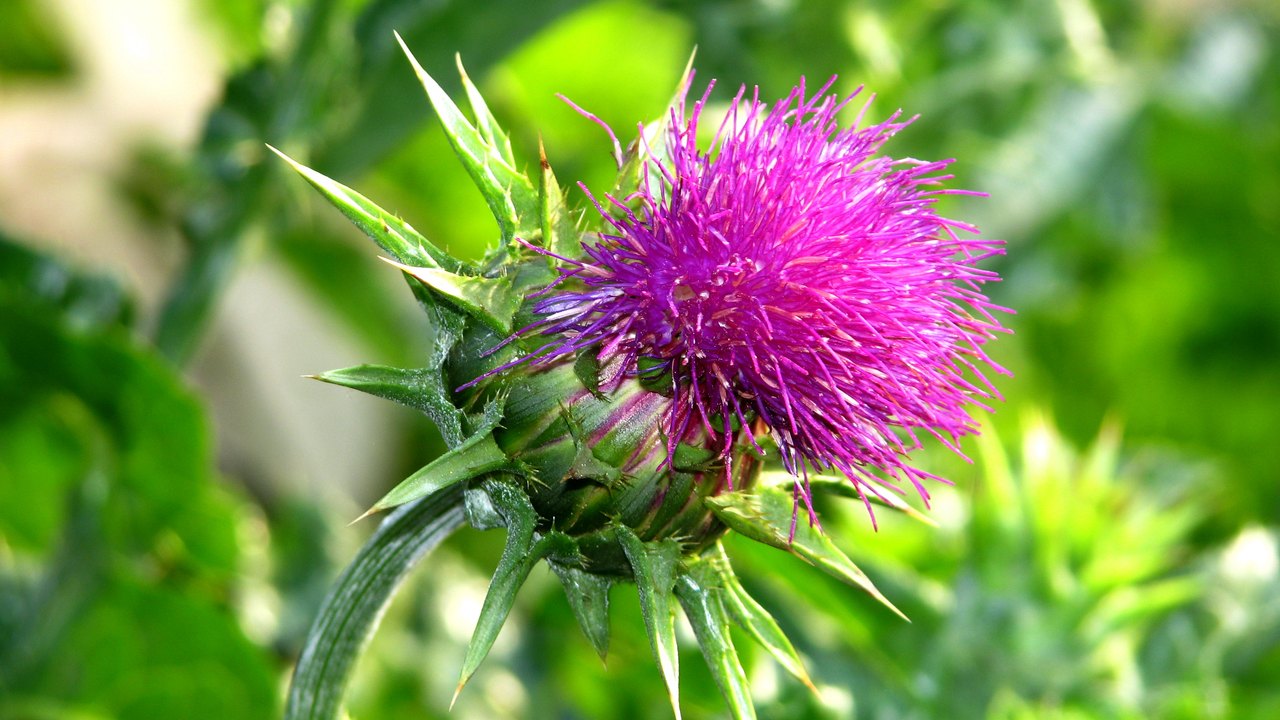
In both traditional European herbal medicine and modern metabolic science, Milk Thistle (Silybum marianum) and its primary complex Silymarin stand out as formidable gatekeepers. Beyond serving as a standard antioxidant, Silymarin possesses a unique bio-physical mechanism: it reinforces the cell membrane structure and physically blocks hepatotoxins from entering hepatic cells.
"Imagine each liver cell as a small home operating within a busy metabolic industrial estate. The cell membrane serves as the outer brick wall protecting the interior structures. Alcohol metabolites and toxic byproducts from painkillers (such as NAPQI) act like intruders with sledgehammers, relentlessly smashing the outer wall to reach and destroy the internal power plants (mitochondria). Silymarin from milk thistle functions as a high-tech bio-coating: it embeds directly into the lipid bilayer, solidifying the structural integrity of the cell wall and changing the door locks so toxic invaders cannot gain access."
Molecular Pathway Flowchart
Rượu bia / Paracetamol
Oxy hóa & Tạo chất độc NAPQI
Silymarin gia cố màng lipid & Bảo vệ Glutathione
Ngăn rò rỉ ALT/AST & Hạ men gan
Molecular Mechanism: How Silymarin Fortifies Liver Cell Membranes
Milk Thistle contains a complex mixture of flavonolignans collectively known as Silymarin, with Silybin being the most biologically active and abundant component. To understand the true value of Silymarin, one must examine the architecture of the liver cell membrane. The hepatic membrane consists of a dynamic phospholipid bilayer that is highly susceptible to oxidative attack by free radicals.
When the body ingests alcohol or paracetamol, the liver works at maximum capacity. Paracetamol is metabolized by the Cytochrome P450 enzyme system (specifically CYP2E1) into a toxic intermediate called NAPQI (N-acetyl-p-benzoquinone imine). Under normal circumstances, NAPQI is detoxified by conjugation with endogenous Glutathione (GSH). However, when alcohol and painkillers are combined, Glutathione stores are rapidly exhausted, leaving free NAPQI to attack the lipid bilayer, resulting in severe lipid peroxidation.
Silymarin disrupts this destructive cascade via a dual mechanism. First, Silymarin molecules insert directly into the phospholipid bilayer of the liver cell membrane, altering membrane fluidity and physically blocking toxin binding sites. This acts as a protective shield on the biological wall, preventing alcohol metabolites and NAPQI from penetrating the cell interior.
Second, Silymarin functions as a localized scavenger of reactive oxygen species, suppressing the rate of lipid peroxidation and preserving intracellular Glutathione. By maintaining the structural integrity of the cell membrane, intracellular contents are prevented from leaking out, thereby suppressing the release of ALT (Alanine Aminotransferase) and AST (Aspartate Aminotransferase) into circulation.
Scientific Evidence and Decoding Hepatic Recovery Metrics
Numerous clinical and pre-clinical studies in high-impact medical journals demonstrate that Silymarin offers more than passive membrane protection; it actively stimulates liver tissue regeneration. Silymarin activates RNA polymerase I within the cell nucleus, enhancing ribosomal RNA synthesis and accelerating structural protein repair in damaged hepatocytes.
A primary hurdle with unrefined natural milk thistle extract is its low aqueous solubility, leading to modest intestinal absorption. Modern pharmacological research addressed this limitation through Phytosome delivery technology, complexing Silymarin with Phosphatidylcholine (a key phospholipid from purified lecithin). This bio-identical complex enhances Silymarin bioavailability by four- to five-fold compared to standard botanical extracts.
The following table outlines the comparative physiological impacts of different Silymarin formulations and common hepatoprotective strategies:
| Form / Intervention | Bioavailability | Membrane Lipid Protection | Glutathione Preservation | Impact on Liver Enzymes (ALT/AST) |
|---|---|---|---|---|
| Standard Milk Thistle Extract (70-80%) | Low (20-30%) | Moderate to High | Moderate | Mild reduction over 8-12 weeks |
| Silymarin Phytosome (Siliphos) | High (80-90%) | Very High (Optimal) | Very High | Marked reduction over 4-8 weeks |
| N-Acetylcysteine (NAC) | Moderate (10-30%) | Low (Direct Antioxidant) | Very High (GSH Precursor) | Moderate reduction |
| Artichoke Extract (Cynarin) | Moderate | Low to Moderate | Moderate (Bile Flow) | Mild digestive bile support |
This comparative analysis demonstrates that pairing Silymarin with phospholipid delivery technology optimizes membrane insertion, yielding faster ALT/AST stabilization and superior cellular restoration.
Practical Application & Lifestyle Guidelines for Liver Longevity
To effectively safeguard liver function against the combined impacts of alcohol and analgesics, Silymarin supplementation should follow precise clinical logic and timing.
First, never co-ingest Paracetamol with or shortly after alcohol consumption. If experiencing a headache after alcohol intake, prioritize oral rehydration with electrolytes and restful sleep. Should medication be strictly necessary under medical advice, maintain a minimal gap of 12 to 24 hours between alcohol ingestion and analgesic use.
Second, regarding standardized dosing: For general liver support or individuals with frequent social exposure to alcohol, the standard recommended dosage is 140mg - 210mg of standardized Silymarin taken 2 - 3 times daily with meals. For Phytosome complex formulations (Siliphos), 100mg - 200mg daily is typically sufficient due to its enhanced absorption profile.
Third, optimal timing: Take Silymarin alongside meals containing healthy dietary fats (such as extra virgin olive oil, avocado, or nuts). Dietary lipids stimulate bile flow, aiding the solubilization and uptake of flavonolignans into the portal vein heading straight to the liver.
Finally, remember that Milk Thistle provides structural support and recovery assistance, not an excuse for reckless alcohol overuse. Modifying lifestyle habits, minimizing c Cohol intake, consuming cruciferous vegetables (rich in Sulforaphane), and integrating Silymarin forms a comprehensive strategy for long-term liver longevity.
Putting it into practice — safely
What you can do
- Take 140mg - 210mg standardized Silymarin (or 100mg - 200mg Phytosome form) with meals containing healthy fats.
- Never mix paracetamol with alcohol; allow a safety buffer of at least 12-24 hours.
- Include cruciferous vegetables (broccoli) to support endogenous glutathione synthesis.
When to talk to a doctor
Seek immediate medical care if experiencing jaundice (yellowing of eyes/skin), persistent right upper quadrant pain, or dark urine.