
We live in an era where antioxidant supplementation has become a secular religion. From high-dose Vitamin C capsules to overpriced 'detox' juices, the message is constant: eliminate all free radicals. Yet, in biomedical laboratories, a startling truth has emerged: organisms 'over-protected' from oxidative stress often have shorter lifespans and weaker resilience than those exposed to mild, manageable stress. This is not an endorsement of self-destruction, but a wake-up call regarding a sophisticated biological mechanism known as Mitohormesis. Many erroneously believe that all oxidative reactions are pathological. In reality, Reactive Oxygen Species (ROS) at low concentrations act as vital signaling molecules, informing the cell nucleus that it must upregulate endogenous antioxidant enzymes like Superoxide Dismutase (SOD) and Glutathione. When we consume excessive exogenous antioxidants, we inadvertently 'silence' this alarm system, causing cells to become lazy and vulnerable to genuine threats.
"Imagine the body's defense system as a fire department. If you keep a building 'smoke-free' by suppressing every tiny spark, the firefighters will fall asleep and lose their readiness. Mitohormesis is like lighting small, controlled fires in a fireplace, keeping the firefighters alert and prepared, thereby protecting the building from actual, catastrophic infernos."
Molecular Pathway Flowchart
Mild Oxidative Stress (ROS)
Activation of Nrf2 Sensor
Transcription of Defense Genes (ARE)
Production of SOD/Glutathione Enzymes
Enhanced Cellular Resilience
1. Molecular Mechanisms: ROS as Messengers
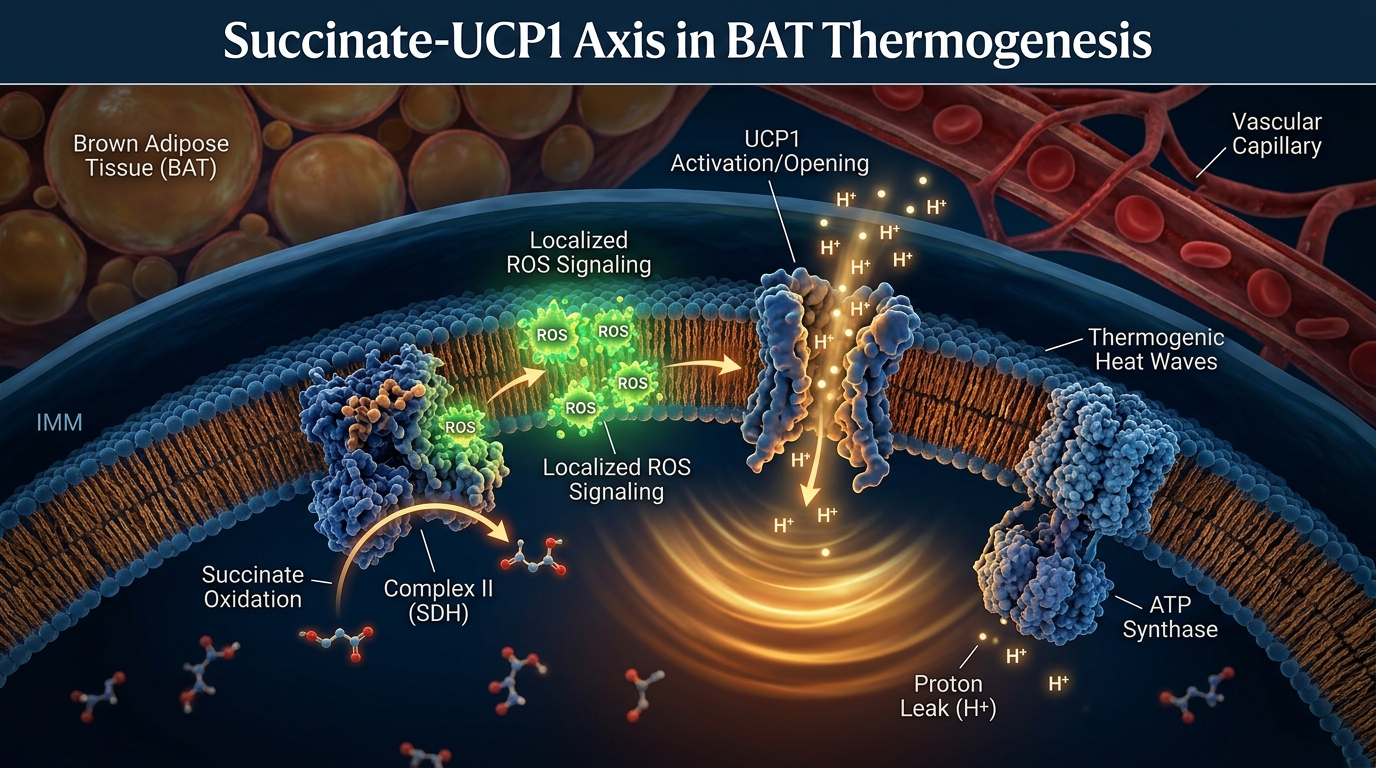
The core of Mitohormesis lies in distinguishing between toxic stress and signaling stress. As mitochondria function, they generate free radicals like Superoxide (O2•-). At low concentrations, these molecules interact with mitochondrial membrane receptors, specifically altering the redox state of the Keap1 protein. Under normal conditions, Keap1 binds to the transcription factor Nrf2 (Nuclear factor erythroid 2-related factor 2) and tags it for degradation. However, when ROS appear at safe thresholds, Keap1 undergoes structural modification, releasing Nrf2. Nrf2 then translocates into the nucleus, binding to DNA sequences called ARE (Antioxidant Response Element). This process activates a suite of protective genes, including HO-1 and glutathione-synthesizing enzymes. This is an exquisitely delicate homeostatic mechanism. If we completely inhibit ROS with high-dose exogenous antioxidants, Nrf2 is never activated, leaving the endogenous defense system starved and weakened. Therefore, maintaining a dynamic homeostatic environment, where stress is managed rather than eliminated, is key to protecting mitochondria from premature aging.
2. Biological Paradox: The Truth About Antioxidants
The greatest paradox in metabolic medicine is 'antioxidant saturation.' Numerous large-scale clinical trials have shown that high-dose supplementation with Vitamin E or Beta-carotene does not reduce mortality and may even increase risks in certain patient groups. The table below contrasts cellular physiological states under various impacts.
| Physiological State | ROS/Signaling Level | Nrf2 Response | Clinical Outcome |
|---|---|---|---|
| Stress-deficient (Antioxidant overload) | Very low (< Baseline) | Fully suppressed | Lazy cells, functional decline |
| Physiological stress (Mitohormesis) | Moderate (Optimal) | Robust activation | Enhanced repair, longevity |
| Pathological stress (Acute oxidation) | Excessive (> Threshold) | Exhausted/Depleted | Chronic inflammation, cell death |
The difference lies in dosage and timing. When we exercise, we create a temporary ROS storm. This very storm triggers Mitohormesis, making muscles stronger after rest. If we consume antioxidants immediately post-exercise, we inadvertently extinguish this adaptive signal. This is why modern clinical strategies are shifting from 'eliminating stress' to 'optimizing stress thresholds' to activate cellular potential.
Practical Takeaways & Clinical Translation: 3. Clinical Strategy: Optimizing Stress Thresholds
Instead of seeking 'silver bullet' antioxidants, modern clinical strategy focuses on creating mild yet effective stimuli. First, prioritize hormetic stressors such as High-Intensity Interval Training (HIIT) or infrared sauna sessions. These activities create temporary ROS increases sufficient to trigger the Nrf2 pathway without causing tissue damage. Second, be cautious with prolonged high-dose antioxidant supplementation. If you are in a phase of training for endurance or functional recovery, immediate use of high-dose Vitamin C or N-acetylcysteine (NAC) may reduce the body's adaptive efficiency. Instead, focus on compounds with 'metabolic intelligence' such as Sulforaphane from broccoli or Quercetin, which act as gentle activators of the Nrf2 pathway rather than brute-force free radical scavengers. Finally, listen to your body. Prolonged fatigue or poor recovery after exercise may be a sign that your endogenous defense system is 'switched off.' Allow your body to face small challenges, as this is the only way to build a resilient cellular fortress against aging.