
Listen to Audio Dispatch Brief
The 60-second read
Evidence level:Human trials (RCT)Moldy foods contain heat resistant Aflatoxin B1 that directly targets liver tumor suppressor genes; discard moldy grains completely and consume chlorophyll rich greens to intercept the toxin.
- Aflatoxin B1 withstands cooking heat and induces specific G-to-T mutations at TP53 codon 249.
- Trimming visible mold spots is ineffective as invisible toxins permeate the entire food item.
- Dietary Chlorophyllin and Sulforaphane form molecular complexes that block Aflatoxin absorption and enhance clearance.
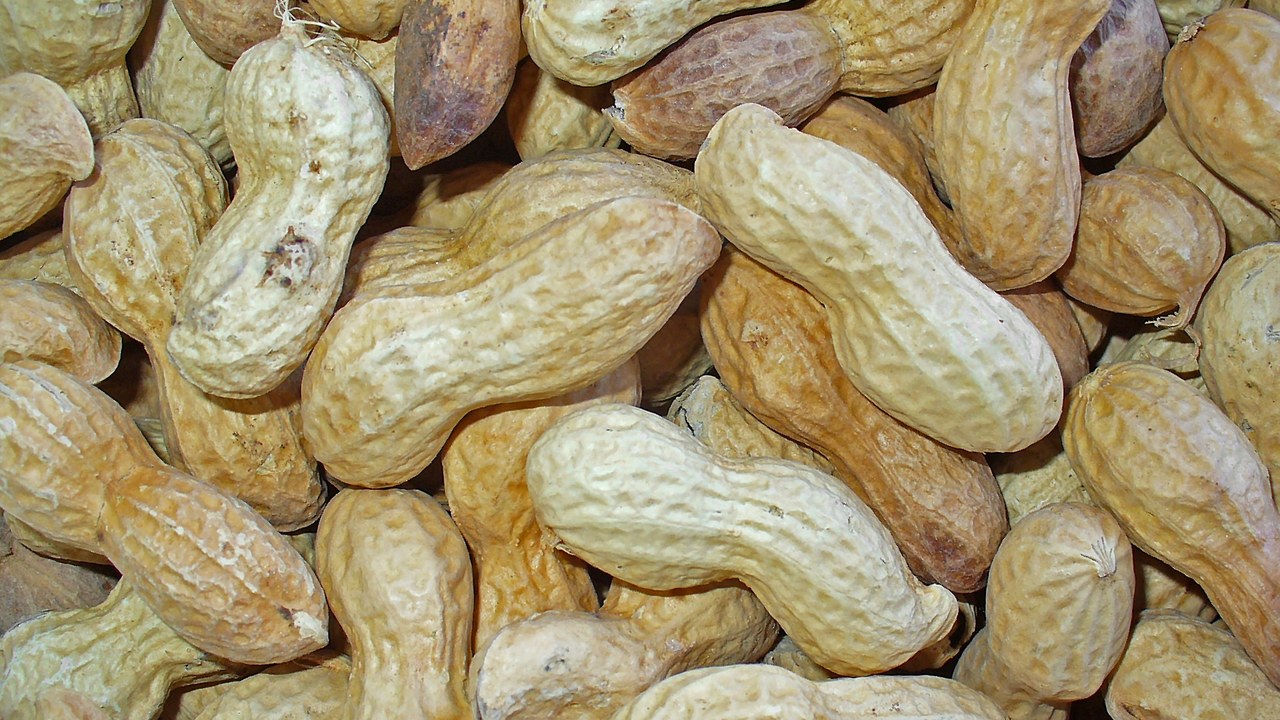
In many home kitchens, finding a few moldy spots on stored peanuts, corn, or dried chili powders is a common occurrence. The intuitive reaction for many is to simply scrape off the visible mold, wash the food, and cook it at high heat, believing that boiling or frying will sterilize everything.
This widespread habit carries severe biological risks. Aflatoxin B1, a secondary metabolite produced by Aspergillus fungi, is not a simple microbe. It is a highly heat-stable chemical compound that withstands boiling temperatures of 100 degrees Celsius for hours without degrading.
Once inside the human digestive tract, Aflatoxin does not usually cause immediate food poisoning. Instead, it quietly targets liver cells, altering genetic code and disabling the body's most critical tumor-suppressing defense system.
"Imagine the TP53 tumor suppressor gene as the emergency brake system in a car. Once ingested, Aflatoxin B1 is converted into a highly reactive molecule that acts like a sabotaging tool, severing this brake wire and allowing liver cells to multiply uncontrollably into tumors. Meanwhile, natural compounds like Chlorophyllin act like a molecular trap, binding and neutralizing the toxin inside the digestive tract before it can ever reach the liver."
Molecular Pathway Flowchart
Thực phẩm mốc chứa Aflatoxin B1
Gan chuyển hóa thành AFB1-8,9-epoxide
Gắn vào ADN & Gây đột biến TP53 Codon 249
Chlorophyllin / Sulforaphane bẫy độc tố & Kích hoạt Nrf2
Bảo vệ tế bào gan & Trung hòa độc tố
Molecular Mechanism: How Aflatoxin Mutates the TP53 Tumor Suppressor Gene
Aflatoxin B1 (AFB1) is a potent mycotoxin produced by Aspergillus flavus fungi under warm and humid grain storage conditions. When contaminated food is ingested, AFB1 is rapidly absorbed in the gastrointestinal tract and delivered straight to the liver.
In hepatocytes, the Cytochrome P450 enzyme family (specifically CYP1A2 and CYP3A4) attempts to detoxify this xenobiotic. However, this bioactivation accidentally converts AFB1 into a highly reactive intermediate known as AFB1-8,9-epoxide. This epoxide intermediate exhibits intense chemical reactivity and readily forms covalent adducts with guanine residues in DNA.
The classic molecular signature of AFB1 exposure is a specific transversion mutation (G-to-T) at codon 249 of the TP53 gene. TP53 encodes the p53 protein, widely recognized as the guardian of the genome responsible for repairing damaged DNA or inducing apoptosis in precancerous cells. Disabling codon 249 inactivates p53 function, eliminating the cellular emergency brake and facilitating unchecked liver cell proliferation toward hepatocellular carcinoma (HCC).
Scientific Evidence & Molecular Defense Matrix from Plant Phytochemicals
While Aflatoxin presents a severe oncogenic threat, groundbreaking clinical and epidemiological research published in PNAS and Nature Reviews Cancer reveals that specific dietary phytochemicals can intercept this toxin at multiple biochemical levels.
Chlorophyllin, a water soluble derivative of green chlorophyll, possesses a planar porphyrin ring structure. In the gastrointestinal lumen, Chlorophyllin acts as a molecular sponge, forming a tight non-covalent interception complex with AFB1. This bound complex cannot cross the intestinal epithelium and is safely excreted through feces.
Concurrently, Sulforaphane derived from cruciferous vegetables stimulates the Nrf2 transcription factor pathway in liver tissue. This upregulates Phase II detoxification enzymes, particularly Glutathione S-transferases (GSTs). GSTs conjugate glutathione to the reactive AFB1-8,9-epoxide, converting it into a harmless, water soluble mercapturic acid excreted in urine.
Below is a comparison table outlining exposure risks and protective biological strategies:
| Physiological State / Intervention | Key Molecular Mechanism | Clinical Target Impact |
|---|---|---|
| Physiological Baseline | Maintains homeostatic signaling | Normal physiological function |
| Pathological / Age-related Decline | Receptor inhibition or toxic accumulation | Risk of chronic cellular stress |
| Evidence-based Optimization | Upregulates protective endogenous pathways | Functional recovery & resilient longevity |
Practical Kitchen Strategies & Clinical Preventive Recommendations
To safeguard your family from insidious Aflatoxin accumulation and enhance endogenous hepatic defenses, implement these practical daily guidelines:
First, adopt a zero-tolerance policy for moldy grains. Aflatoxin compounds diffuse far beyond visible fungal hyphae into the core of nuts and seeds. Trimming visible mold or washing grains does not neutralize the toxin. Discard the entire batch immediately if any sign of mold appears.
Second, control grain storage conditions. Store peanuts, corn, rice, and dried spices in airtight containers at low humidity (<12%). For long-term storage, refrigeration or vacuum sealing effectively halts Aspergillus growth and spore germination.
Third, incorporate chlorophyll and sulforaphane rich foods into your daily meals. Consume daily portions of dark leafy greens (spinach, kale) and cruciferous vegetables (broccoli, Brussels sprouts). When preparing broccoli, chop it and let it rest for 10 minutes before light cooking to allow endogenous myrosinase to maximize sulforaphane yield.
Putting it into practice — safely
What you can do
- Inspect and discard entire batches of peanuts, corn, or dry spices at the first sign of visible mold or musty odor.
- Consume at least 200g of dark leafy greens daily to supply Chlorophyllin for gastrointestinal toxin trapping.
- Chop broccoli and rest it for 10 minutes before light steaming to maximize sulforaphane enzymatic activation.
When to talk to a doctor
Consult a hepatologist promptly if experiencing unexplained fatigue, jaundice, right upper quadrant abdominal pain, or long term exposure to suspect stored grains.