
Listen to Audio Dispatch Brief
The 60-second read
Evidence level:Human trials (RCT)Increasing dietary potassium through whole foods is more effective for vascular elasticity and blood pressure control than extreme salt restriction alone.
- The Na+/K+-ATPase pump requires adequate potassium to actively clear excess sodium and fluid from arterial smooth muscle cells.
- An optimal dietary Potassium-to-Sodium ratio should reach 1:1 or 2:1, countering the typical urban ratio of 1:3.
- Switching to potassium-enriched low-sodium salt is a proven strategy to lower systolic blood pressure by 4 to 8 mmHg.
Minh, a 42-year-old project manager, came to my consultation with visible anxiety. For the past six months, he had strictly eaten boiled foods without added salt, completely abandoning his favorite dipping sauces. Yet, every morning his blood pressure monitor displayed numbers hovering around 138/88 mmHg.
Furthermore, he suffered from frequent nocturnal leg cramps and unexplained fatigue. Minh's experience is far from unique; it reflects a common struggle among adults trying to manage blood pressure without understanding the underlying metabolic cellular mechanisms.
In metabolic medicine, we frequently highlight the risks of excess dietary salt while overlooking the reality that the human body functions on strict biological balance. Sodium only turns into a vascular stressor when it lacks its essential cellular counterpart: Potassium. When your dietary potassium-to-sodium ratio collapses, your vascular system enters a state of perpetual mechanical strain, triggering elevated systolic pressure and premature endothelial wear.
"Imagine your vascular smooth muscle cell as a basement room being flooded with rainwater representing excess sodium. The accumulating water causes the walls to swell, placing severe structural pressure on the foundation. If you only attempt to cover the roof by strictly cutting out salt, the trapped water inside still cannot escape. Potassium acts as the vital electrical power that drives the basement sump pump. With adequate potassium, this membrane pump runs at full capacity, actively extruding excess sodium, allowing the blood vessel walls to relax and regain their natural elasticity."
Molecular Pathway Flowchart
Khẩu phần giàu Kali (Rau xanh, Đậu, Chuối)
Kích hoạt Bơm Na+/K+-ATPase Màng Tế Bào
Tăng Đẩy Natri & Nước Thừa Ra Khỏi Thành Mạch
Thư Giãn Cơ Trơn & Giảm Huyết Áp
Biological Mechanism: The Na+/K+-ATPase Pump and Vascular Swelling
At the cellular level, every single smooth muscle cell in your blood vessels is equipped with millions of tiny microscopic engines known as Sodium-Potassium pumps, or Na+/K+-ATPase enzymes. This metabolic engine works endlessly to maintain cellular membrane potential, pumping 3 sodium ions out of the cell while drawing 2 potassium ions inside. When dietary potassium intake drops significantly, this vital pump stalls due to a lack of operational substrate.
When the Na+/K+-ATPase pump becomes sluggish, sodium concentrations begin to build up inside the intracellular space. Following natural osmotic gradients, water is drawn into the cell, causing the vascular smooth muscle cells to swell physically. This intracellular swelling narrows the vessel lumen, forcing the heart to pump with substantially greater pressure to drive blood through constricted pathways.
Furthermore, intracellular sodium accumulation triggers the Sodium-Calcium exchanger, pushing excess free calcium into the cytoplasm. Calcium serves as the primary molecular trigger for muscular contraction. Consequently, your arterial walls clamp down tightly, becoming rigid, stiff, and abnormally hypersensitive to circulating stress hormones like Adrenaline.
Decoding the Science: Why the K/Na Ratio Matters More Than Salt Alone
Extensive epidemiological and clinical studies have demonstrated that the single best predictor of cardiovascular risk and stroke is not total dietary sodium intake alone, but rather the relative ratio of Potassium to Sodium (K/Na ratio) excreted in urine and consumed in daily foods. The World Health Organization (WHO) recommends maintaining a minimum dietary K/Na ratio of 1:1, meaning an adult should consume at least 3,500 mg of Potassium for every 2,000 mg of Sodium daily.
However, modern urban diets have completely inverted this biological ratio. Heavy reliance on ultra-processed foods, fast foods, and a lack of fresh vegetables drops the average human K/Na ratio to a dangerous 1:3 or 1:4. When you restrict salt obsessively without boosting dietary potassium, the body activates the Renin-Angiotensin-Aldosterone System to preserve every molecule of sodium, inadvertently inducing secondary vasoconstriction and arterial stiffness.
| Parameter & Habit | Modern Diet (High Risk) | Extreme Low-Salt Diet | Optimized K/Na Ratio Diet |
|---|---|---|---|
| Urinary K/Na Ratio | 1 : 3 to 1 : 4 (Very Poor) | 1 : 1 (Micronutrient Deficit) | 2 : 1 or higher (Optimal) |
| Na+/K+-ATPase Pump Activity | Stalled by Sodium Overload | Weakened by Mineral Depletion | Operating at Peak Capacity |
| Vascular Wall Condition | Swollen, Constricted, Stiff | Hypersensitive to Stress | Naturally Relaxed, Elastic |
| Blood Pressure Impact | Persistently Elevated | Fluctuating, Causes Fatigue | Stable, 4-8 mmHg Reduction |
Practical Lifestyle Strategies & Clinical Advice: Optimizing Daily Meals for Vascular Health
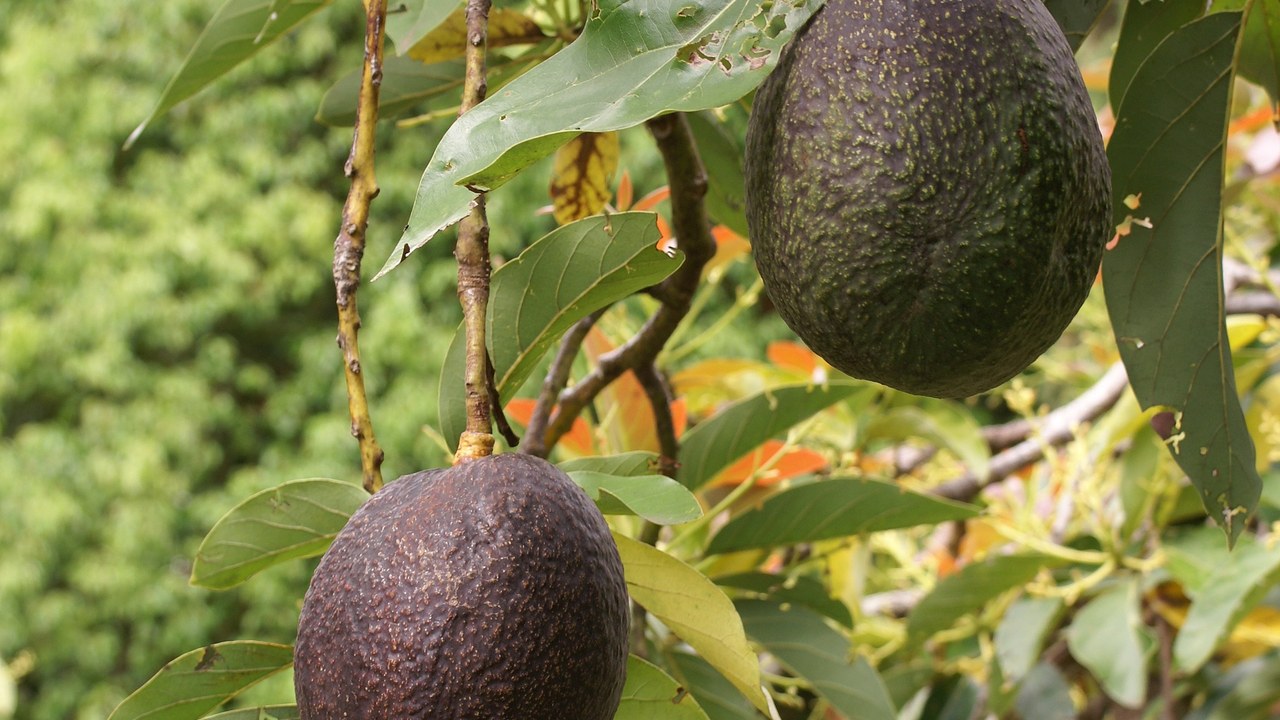
To build flexible, resilient blood vessels without enduring unpalatable, bland meals, the core strategy lies in actively enhancing natural potassium sources in your daily menu. Instead of obsessing over every pinch of salt, fill half your plate with potassium-rich whole foods such as spinach, swiss chard, beetroots, baked sweet potatoes with skin, avocados, and white beans.
A practical kitchen swap is replacing standard table salt with potassium-enriched low-sodium salt, where 30-50% of Sodium Chloride is replaced with Potassium Chloride. A landmark clinical trial published in the New England Journal of Medicine demonstrated that switching to potassium-enriched salt reduced the risk of stroke by 14% and overall mortality by 12% among high-risk individuals.
Optimal potassium distribution involves spreading your intake across main meals throughout the day. Begin your morning with a banana or half an avocado, include a generous serving of dark leafy greens at lunch, and incorporate a vegetable-rich soup at dinner. However, individuals with advanced chronic kidney disease or those taking potassium-sparing antihypertensives (such as ACE inhibitors or ARBs) must consult their physician before significantly increasing potassium intake to prevent hyperkalemia.
Putting it into practice — safely
What you can do
- Include 1 serving of dark leafy greens or half an avocado in two main meals daily.
- Replace standard kitchen table salt with a 30-50% potassium-enriched low-sodium salt substitute.
- Maintain adequate hydration with 2 liters of water daily to facilitate renal excretion of excess sodium.
When to talk to a doctor
Consult a doctor immediately if you experience an abnormally slow heartbeat, numbness in fingertips, or sudden muscle weakness.