
Listen to Audio Dispatch Brief
The 60-second read
Limiting processed meat intake to under 50g weekly and pairing red meat with chlorophyll-rich dark leafy greens neutralizes catalytic heme iron, safeguarding colorectal epithelial DNA.
- Sodium nitrite preservatives react with secondary amines in gastric and intestinal environments to forge N-nitroso compounds (NOCs), directly alkylating epithelial DNA.
- Excess unabsorbed dietary heme iron catalyzes mucosal lipid peroxidation, but plant chlorophyll structurally mimics and chelates heme iron, preventing oxidative membrane damage.
- Gentle moist-heat cooking methods (poaching, stewing, steaming) eliminate the formation of high-heat heterocyclic amines (HCAs) and polycyclic aromatic hydrocarbons (PAHs).
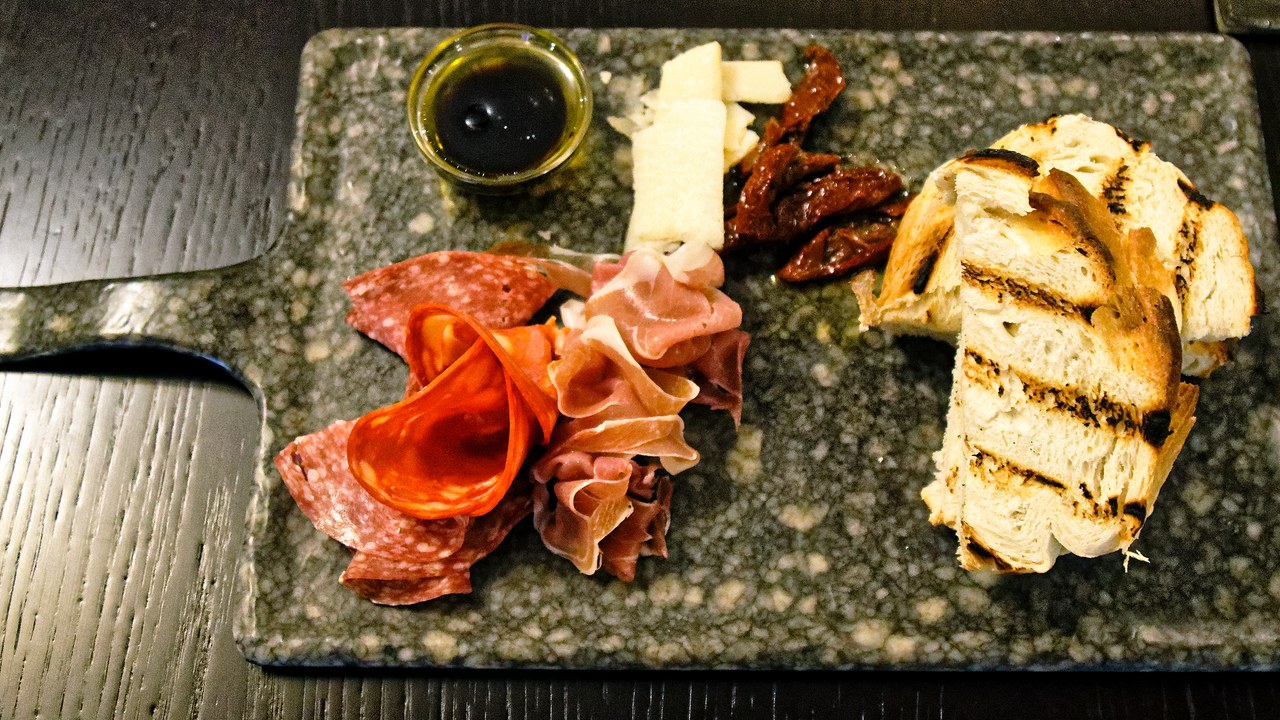
A fast-paced morning grab-and-go sausage sandwich, crispy smoked bacon alongside weekend eggs, or savory charcuterie boards at social gatherings represent cherished staples of modern gastronomy. However, ever since the World Health Organization's International Agency for Research on Cancer (IARC) classified processed meat as a Group 1 human carcinogen, widespread public confusion and dietary anxiety have lingered.
Does enjoying an occasional hot dog carry the identical lethality of smoking a pack of cigarettes? What molecular cascade transforms processed meat into a recognized catalyst for colorectal carcinogenesis? And crucially: How can individuals navigate culinary pleasures while maintaining rigorous, evidence-based cellular defense?
To cut through sensationalized headlines, we must analyze the exact biochemical chain reactions occurring along the human gastrointestinal tract.
"Imagine the mucosal lining of your colon as a polished marble hallway sealed with a delicate waterproof protective glaze. Digesting natural, unprocessed whole proteins is akin to gentle streams of clean water washing smoothly over the tiles. However, consuming heavily processed meats cured with nitrites and seared over high flame generates N-nitroso compounds that behave like coarse sandpaper soaked in industrial acid. They abrade the protective barrier, stripping the seal and scratching the cellular mortar underneath. If this abrasive friction occurs daily without leafy greens to buffer the surface, micro-fissures appear, creating hospitable ground for dysplastic adenomatous polyps."
Molecular Pathway Flowchart: From Preservative Nitrites to Colorectal Genomic Mutations
Processed Meat Containing Sodium Nitrite (NaNO2) & Heme Iron
Gastric & Intestinal Synthesis of N-Nitroso Compounds (NOCs)
O6-Methylguanine DNA Alkylation in Colonocytes
Driver Mutations in APC & KRAS Tumor Suppressors
Unpacking the Biochemical Mechanisms: Why Processed Meat Drives Neoplastic Risk
The landmark IARC monograph published in The Lancet Oncology (Bouvard et al., 2015), synthesizing epidemiological evidence from over 800 prospective human cohort studies, delineated three primary biochemical drivers:
1. In Situ Synthesis of N-Nitroso Compounds (NOCs)
During industrial manufacturing of ham, sausages, and cured bacon, food processors introduce sodium nitrite () or sodium nitrate (). This chemical preservation serves a critical food safety purpose: preventing lethal contamination by Clostridium botulinum while preserving characteristic reddish-pink pigmentation against oxidative discoloration.
However, once swallowed into the highly acidic gastric lumen and advancing into the intestinal tract, nitrites undergo nitrosation with secondary amines and amides abundant in digested protein, forging N-nitroso compounds (NOCs). These compounds act as aggressive alkylating agents. Specifically, they transfer methyl groups to the position of guanine residues within double-stranded DNA, forming -methylguanine. Unrepaired -methylguanine mispairs with thymine during DNA replication, inducing permanent G:C to A:T transition mutations that frequently disable key tumor suppressor genes such as APC and activate oncogenic KRAS.
2. Catalytic Heme Iron and Lipid Peroxidation
Mammalian red meats (beef, lamb, pork) are uniquely rich in heme iron (iron chelated within the porphyrin ring of myoglobin). While heme iron demonstrates superior bioavailability for erythropoiesis compared to non-heme plant iron, unabsorbed luminal heme iron enters the colon in substantial quantities.
In the colonic lumen, heme iron acts as a potent redox catalyst, accelerating Fenton reactions that yield hydroxyl free radicals () and stimulating membrane lipid peroxidation. This breakdown generates mutagenic cytotoxic aldehydes, prominently malondialdehyde (MDA) and 4-hydroxynonenal (4-HNE). These reactive electrophiles damage colonic epithelial stem cells, forcing compensatory hyperproliferation. Elevated cell turnover exponentially increases the probabilistic risk of random carcinogenic DNA copy errors.
3. Heterocyclic Amines (HCAs) and Polycyclic Aromatic Hydrocarbons (PAHs)
Exposing muscle meat to extreme cooking temperatures (pan-frying, open-flame grilling above 150°C) triggers Maillard reactions between amino acids, sugars, and creatine, generating mutagenic heterocyclic amines (HCAs). Furthermore, when rendered animal fat drips onto glowing charcoal briquettes, volatile smoke carries polycyclic aromatic hydrocarbons (PAHs) such as benzo[a]pyrene back up to coat the surface of the meat. Hepatic Cytochrome P450 enzymes bioactivate both compound classes into reactive DNA adducts.
Clinical Comparison Matrix: Stratifying Neoplastic Risk Across Protein Sources
Evaluating relative risk across different protein categories empowers evidence-based culinary decisions:
| Dietary Protein Category | WHO / IARC Carcinogen Classification | Relative Colorectal Neoplasm Risk | Predominant Biological Mechanism | Pragmatic Intake Threshold |
|---|---|---|---|---|
| Processed Meats (Sausages, bacon, hot dogs, salami, cured deli cuts) | Group 1 (Sufficient evidence of human carcinogenicity) | 18% relative risk increase for every 50g consumed on a daily basis | Nitrite-driven NOC generation + catalytic heme iron + high sodium mucosal irritation | Strictly minimize; under 50g per week or reserved for rare occasions |
| Unprocessed Red Meat (Home-cooked beef, pork, lamb, veal steaks) | Group 2A (Probable human carcinogen; limited evidence) | Modest risk elevation primarily when intake exceeds 500g cooked weight weekly | Endogenous heme iron peroxidation without synthetic preservative nitrites | 350g - 500g cooked weight weekly (roughly 2 to 3 balanced meals) |
| Poultry & White Meat (Skinless chicken breast, turkey tenderloin) | Not classified as hazardous | Zero documented association with elevated colorectal neoplasia | Minimal heme iron content; zero induction of luminal lipid peroxidation | Recommended primary animal protein source (3 to 4 meals weekly) |
| Wild-Caught Fish & Seafood (Salmon, mackerel, sardines, shrimp) | Cardioprotective & Anti-inflammatory | Associated with reduced colorectal cancer risk in observational cohorts | Rich in anti-inflammatory Omega-3 polyunsaturated fatty acids (EPA/DHA) suppressing COX-2 | Consume at least 2 to 3 portions weekly |
| Plant-Based Proteins (Tofu, edamame, lentils, chickpeas, mushrooms) | Chemopreventive & Protective | Marked reduction in adenomatous polyp incidence and recurrence | Packed with prebiotic fermentable fiber yielding colonic protective Butyrate | Encouraged for daily integration |
Actionable Guidelines: 4 Evidence-Based Culinary Protocols for Safe Protein Enjoyment
Protecting cellular integrity does not require adopting restrictive dietary dogmas or relinquishing the cultural enjoyment of roasted meats. Applying four evidence-based nutritional principles neutralizes up to 90% of biological risk:
First, implement the Chlorophyll Chelation Rule. The photosynthetic green pigment Chlorophyll found in dark leafy vegetables (spinach, kale, arugula, romaine lettuce) shares an almost identical porphyrin ring structure with heme iron, but features a central magnesium ion rather than iron.
In the gastrointestinal lumen, chlorophyll creates a molecular complex that traps free heme iron, preventing it from contacting colonocyte cell membranes and safely escorting it into stool. Always pair red meat servings with double the volume of fresh dark leafy greens.
Second, harness antioxidant herb marinades. Prior to grilling or pan-searing meats, marinate cuts for at least 30 minutes in a mixture of crushed fresh rosemary, minced garlic, thyme, and lemon juice. Polyphenolic diterpenes such as carnosic acid and rosmarinic acid scavenge free radicals, blunting the thermal synthesis of heterocyclic amines (HCAs) by up to 80-90%.
Third, prioritize moist-heat cooking techniques. Avoid exposing raw meat directly to roaring charcoal flames or consuming blackened, charred crusts. Emphasize low-temperature cooking below 100°C such as poaching, steaming, slow-cooker braising, or roasting in convection ovens with indirect drip trays. Use a kitchen knife or shears to excise charred edges entirely before serving.
Fourth, reinforce luminal gut defenses with fermentable fiber. Dietary soluble fiber and resistant starch add stool bulk, diluting carcinogenic compounds and accelerating colonic transit time, minimizing epithelial exposure duration. Furthermore, commensal anaerobic bacteria ferment soluble fiber into Short-Chain Fatty Acids (SCFAs), predominantly Butyrate, which provides primary metabolic fuel for colonocytes and upregulates epigenetic DNA repair machinery daily.
Putting it into practice — safely
What you can do
- Swap processed breakfast meats (bacon, sausages) for soft-boiled eggs, seared chicken breast, or wild-caught salmon to eliminate preservative nitrites.
- Always accompany steak or roasted red meat with a generous portion of spinach, kale, or broccoli; chlorophyll acts as an in situ chelator neutralizing luminal heme iron.
- Marinate meats for at least 30 minutes in antioxidant marinades containing fresh rosemary, crushed garlic, and lemon juice to suppress heterocyclic amine formation by up to 90%.
When to talk to a doctor
Consult a gastroenterologist promptly if you detect red-flag symptoms: visible hematochezia, persistent changes in bowel frequency lasting over two weeks, or unexplained progressive weight loss.