
Over the past decade, the supplement industry has cemented a popular belief: oxidative stress is the ultimate enemy and antioxidants are the universal shield. We see people consuming high-dose Vitamin C, E, or Glutathione in hopes of 'scrubbing' every free radical. However, empirical studies from Nature and Cell have revealed a biological paradox: the total neutralization of free radicals can paralyze the body's natural defense systems. This phenomenon is known as Mitohormesis. When mitochondria endure a small, controlled amount of stress, they do not suffer damage; instead, they signal the nucleus to upregulate endogenous antioxidant enzymes far more effectively than any supplement ever could. The misconception of 'fighting' oxidation at all costs has caused many to miss the opportunity to activate self-repair mechanisms. This article delves into the molecular mechanics of Mitohormesis, where mild stress serves as the catalyst for cellular longevity.
"Imagine your body as a building with an automated fire suppression system. If you constantly flood every corner with cooling agents (high-dose antioxidants), the alarm system never activates. Mitohormesis is like a small, controlled fire in a fireplace; it does not burn the house down, but instead forces the defense systems to operate, inspect the pipes, and reinforce the structure, making the building much more resilient against future major storms."
Molecular Pathway Flowchart
Mild Stress/Exercise/Fasting
Mitochondrial ROS Production
Activation of AMPK/SIRT1 sensors
Nrf2 Synthesis
Expression of Endogenous Antioxidant Genes (SOD, CAT, GPx)
1. Molecular Mechanisms: ROS as Signaling Molecules
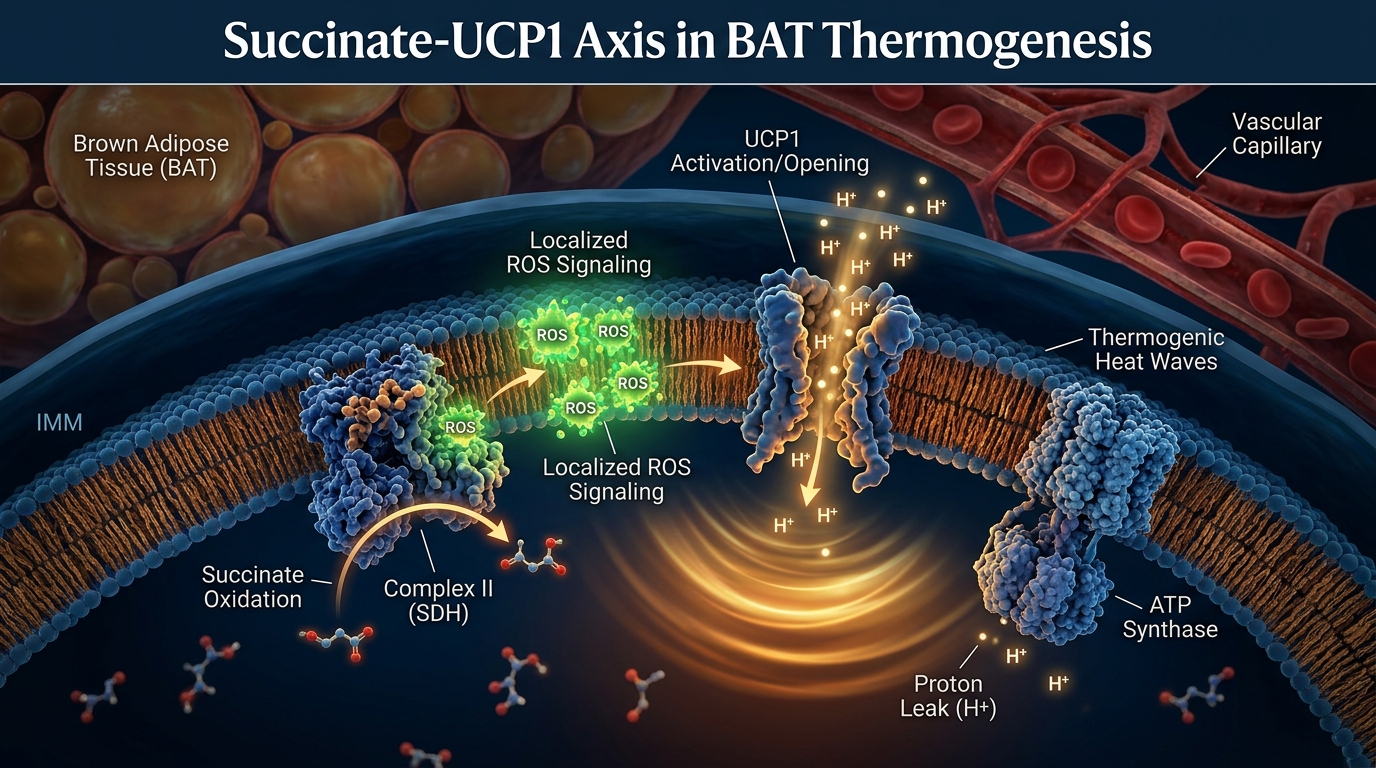
At the core of Mitohormesis is the functional shift of ROS from damaging agents to essential signaling molecules. Under physiological conditions, mitochondria produce small amounts of superoxide (O2•-) during oxidative phosphorylation. When the body encounters stimuli such as intermittent fasting or high-intensity exercise, ROS levels rise transiently. This increase does not damage the cell membrane but acts as a 'siren' for specific protein sensors. One of the most critical pathways is the activation of Nrf2 (Nuclear factor erythroid 2-related factor 2). Under homeostatic conditions, Nrf2 is sequestered in the cytoplasm by Keap1 and degraded. Upon ROS signaling, this interaction is disrupted, allowing Nrf2 to translocate into the nucleus. Here, it binds to Antioxidant Response Elements (ARE), initiating the transcription of a battery of protective enzymes such as SOD (Superoxide Dismutase), CAT (Catalase), and GPx (Glutathione Peroxidase). Crucially, these endogenous enzymes possess a much higher radical-neutralizing efficiency than exogenous antioxidants. Therefore, by providing 'mild nudges,' we are training the cell to build a robust defense system rather than relying on passive, external supplementation.
2. The Biological Paradox & Comparative Metrics
The greatest paradox in metabolic medicine is that excessive reliance on high-dose exogenous antioxidants (such as mega-doses of Vitamin C or E) can weaken natural adaptive processes. When antioxidant levels in the blood are consistently elevated, cells no longer receive the 'stress' signals required to activate self-repair mechanisms. Consequently, the endogenous defense system undergoes down-regulation, leaving cells more vulnerable when facing actual stress in the future. The following table contrasts physiological states:
| Physiological State | ROS Signaling Mechanism | Endogenous Defense Status |
|---|---|---|
| Sedentary / Deficit | Low ROS, no signaling | Weak, inflexible endogenous enzyme system |
| Mitohormesis (Optimal) | Controlled, mild ROS increase | Nrf2 activation, boosted SOD/CAT enzymes |
| Pathological Stress | Excessive ROS, threshold exceeded | DNA damage, chronic inflammation, apoptosis |
This difference explains why athletes or individuals practicing intermittent fasting often display significantly higher levels of endogenous antioxidant capacity compared to those who only supplement without physical exertion. Understanding the 'hormetic' threshold is key to avoiding the trap of pathological oxidative stress.
Practical Takeaways & Clinical Translation: 3. Clinical Strategy: Optimizing the Mitohormetic Response
To apply Mitohormesis to daily life, we must shift from a 'neutralization' mindset to a 'training' mindset. The first clinical recommendation is to avoid taking high-dose antioxidants immediately before or after physical exercise. Exercise is a form of controlled stress that generates ROS, and consuming large amounts of Vitamin C at that time will inadvertently 'extinguish' the signals necessary for muscle adaptation and mitochondrial biogenesis. Second, prioritize natural Nrf2 activators (such as sulforaphane from broccoli, or curcumin from turmeric) over high-dose synthetic supplements. These compounds act as 'stress mimics' (xenohormesis), signaling the cell to trigger protective pathways without causing structural damage. Third, intermittent fasting (such as the 16:8 protocol) is the most potent method for promoting mitochondrial cleanup (mitophagy) and cellular energy regeneration. Finally, note that Mitohormesis is a double-edged sword. If you are suffering from chronic illness, exhaustion, or acute infection, the body may lack the capacity for adaptive response; applying these methods without medical supervision could be counterproductive. Always listen to your body: excessive fatigue, sleep disturbances, or slow recovery are signs that you have exceeded the safe hormetic threshold.