
Listen to Audio Dispatch Brief
The 60-second read
Evidence level:Human observational dataMany of us have heard whispers that consuming soy disrupts hormones or triggers tumor growth
- Molecular mechanisms behind whole soy foods
- Decoding scientific facts from global clinical trials
- Lifestyle strategies and optimizing soy consumption habits
Every time I go to the local market for family groceries, my neighbor often whispers advice to limit soy milk or tofu, fearing that so-called fake hormones might harm health or even increase breast cancer risks. This rumor has caused generations of Asians to unknowingly turn away from one of the most nutrient-dense plant foods on the planet.
Soy is not only tied to millennia of culinary culture but is also the subject of numerous large-scale clinical trials worldwide. Through the lens of modern metabolic medicine and molecular biology, let us clear away the fog of rumors and explore why whole soy is a trusted companion in protecting and nurturing a healthy body.
"Imagine your body's endocrine system as a high-end office building with thousands of security door locks that exclusively recognize one authentic master key, which is endogenous estrogen. Whole soy delivers genistein molecules that act like sophisticated duplicate aluminum keys with an imperfect structure. When inserted into the locks, the doors do not swing wide open to trigger alarms; instead, they stand still to block uninvited harmful guests or excessive hormone surges from disrupting your natural physiological mechanisms."
Molecular Pathway Flowchart
"Đậu nành nguyên bản
Tiêu hóa qua hệ vi sinh ruột
Giải phóng Isoflavone Genistein
Gắn kết chọn lọc thụ thể ER-beta
Ức chế tăng sinh tế bào lạ và bảo vệ mô"
Molecular mechanisms behind whole soy foods
To properly understand soy, we need to look deep into the microscopic structure of the bean through a biological lens. Whole soy foods contain a unique group of polyphenol compounds called isoflavones, among which genistein holds the highest concentration and drives the primary biological functions.
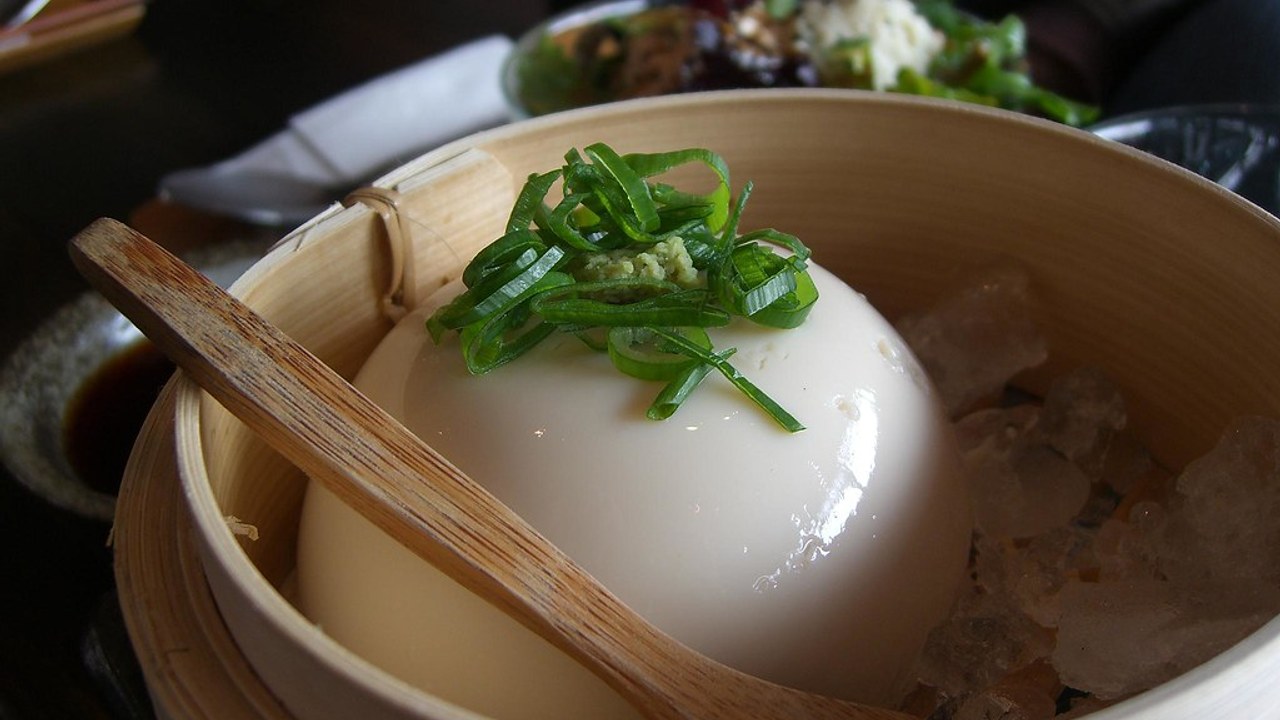
When we enjoy soy dishes like fresh tofu, boiled edamame, or pure unsweetened soy milk, gut microbiota act as a micro-refinery, converting complex precursors into bioavailable active forms that easily enter the bloodstream.
Unlike synthetic or endogenous hormones, genistein possesses a remarkable ability to selectively recognize and bind strongly to a specific cell surface receptor known as estrogen receptor beta (abbreviated as ER-beta).
Much like a soft, custom-fitted armor designed for sensitive tissues, activating the ER-beta receptor delivers growth-regulatory signals that stabilize cell cycles and extinguish low-grade chronic inflammation without over-stimulating the alpha receptors (ER-alpha) typically found in other reproductive organs.
Decoding scientific facts from global clinical trials
Over the past decades, scientists worldwide have conducted numerous epidemiological studies and randomized controlled clinical trials to completely dispel concerns regarding soy consumption. Real-world data demonstrates that the incidence of breast and prostate cancers in traditional soy-consuming nations like Japan and Korea is significantly lower than in Western countries. The comparison table below helps clarify the distinct differences between consuming natural whole soy and common public misunderstandings.
| Physiological Index / Habit | Whole Soy Consumption (Tofu, Edamame, Soy Milk) | Common Public Misconception | Modern Medical Evidence Perspective |
|---|---|---|---|
| Endocrine Impact | Balanced regulation, high affinity for protective ER-beta | Believed to cause male feminization or menstrual disorders | Does not alter free testosterone or estrogen levels in healthy adults |
| Tumor Risk | Inhibits tumor angiogenesis, reduces recurrence rates | Fears stimulation of breast or thyroid cancer cell growth | Large cohort studies confirm safety and reduced overall mortality |
| Lipid Metabolism | Improves lipid profile, significantly lowers LDL-cholesterol | Believed to contain anti-nutrients causing malnutrition | Provides high-quality plant protein, effectively protecting cardiovascular health |
Actual numbers and data from publications in leading medical journals confirm that incorporating whole soy into daily meals is not only completely safe but also delivers immense metabolic benefits that few foods can match.
Practical Takeaways & Clinical Translation: Lifestyle strategies and optimizing soy consumption habits
Understanding the extraordinary value of soy allows us to transform this humble food into a sharp health-protective weapon in our family kitchen.
Instead of choosing heavily processed industrial soy products laden with refined sugars, the primary priority is to consume whole food sources like boiled soybeans, traditional un-fried tofu, or pure home-cooked soy milk with minimal sugar.
A warm glass of soy milk in the morning paired with a small handful of nuts or a few pieces of steamed tofu at dinner serves as an excellent way to supply clean plant protein and precious isoflavones to your body.
Remember that dietary shifts should happen gradually to give your gut microbiota time to adapt, while continuously maintaining regular physical activity to optimize cellular absorption and energy metabolism.
Putting it into practice — safely
What you can do
- Consult your physician or healthcare specialist before making significant dietary or supplementation adjustments.
- Follow guidelines: Lifestyle strategies and optimizing soy consumption habits
When to talk to a doctor
If experiencing persistent symptoms, chronic discomfort, or unexplained weight loss.